You've found a promising cottage, but the decision isn't as simple as comparing nightly prices. One property may give you a kitchen, parking, and a quiet base beside the coast. Another may look cheaper yet leave you driving further, paying more for meals, or discovering that its “accessible” bathroom has a step you can't manage. Meanwhile, regulation and tax changes are altering the accommodation pool itself.
Self catering accommodation in England now sits at the meeting point of flexible travel, regional demand, planning controls, and business-rate rules. The best booking isn't merely the prettiest property. It's the one that fits your route, group, expectations, and timing before popular areas become harder to secure.
Why Self Catering Captures the English Traveller
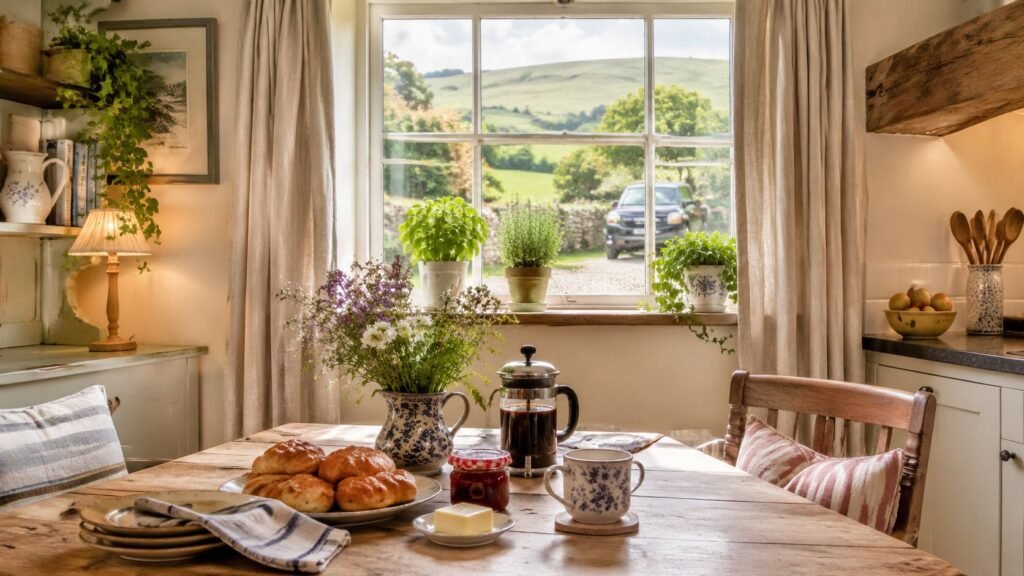
After a long drive, the value of a self-catering stay becomes obvious at the front door. Bags come in, coats need somewhere to dry, and everyone wants food at a different time. A kitchen, a sofa with room to spread out, and no reception timetable can settle the evening before the holiday has properly begun.
You can cook pasta late, wash muddy clothes, open a bottle bought from a nearby farm shop, and let children settle without worrying about a hotel corridor. Couples returning from a coastal walk can shower and eat privately. Families can prepare breakfast and pack lunch without waiting for service.
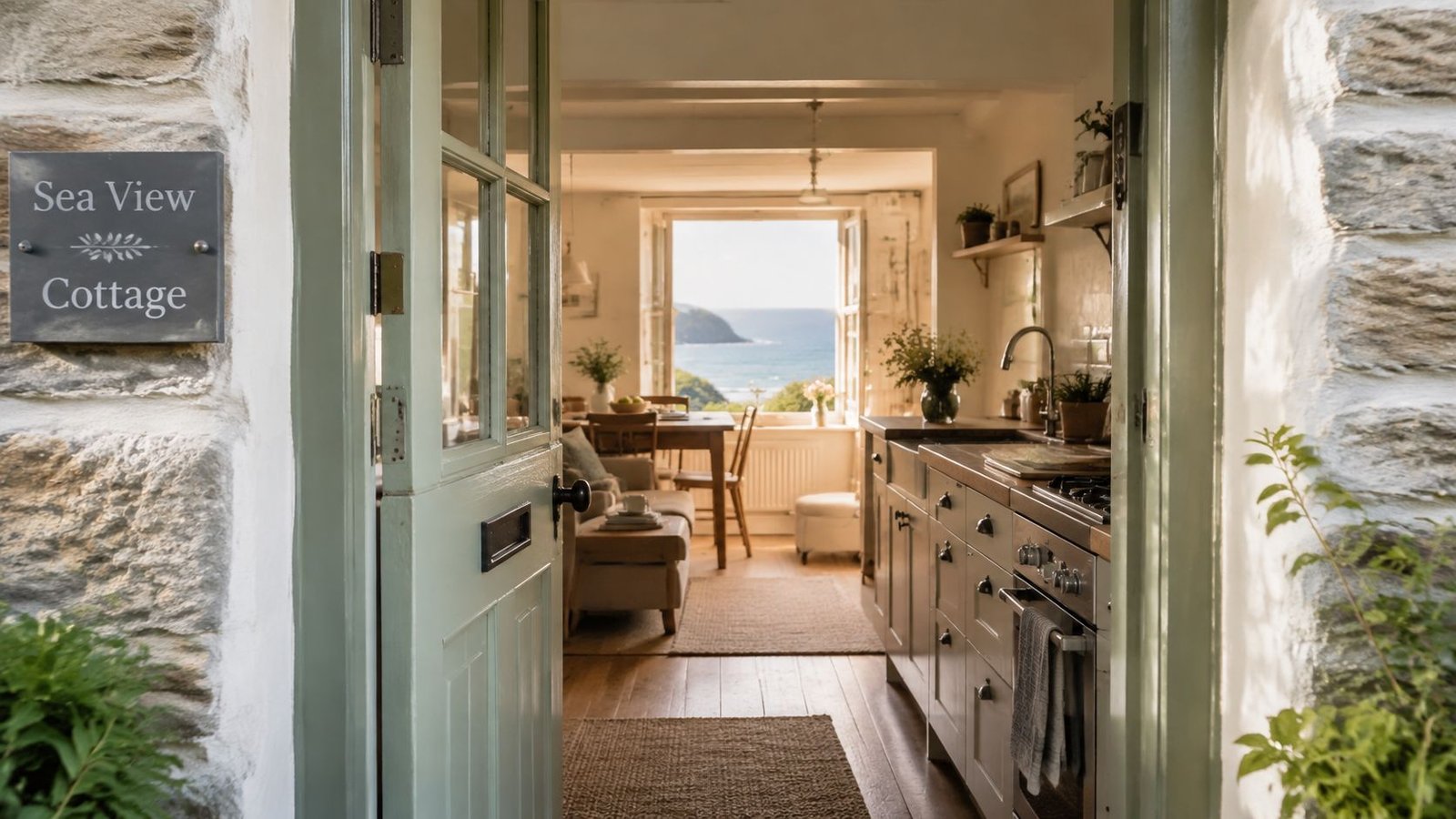
The freedom is practical, not decorative
Hotels offer service and consistent routines, but usually less living space, cooking control, and privacy. Bed and breakfasts can provide warmth and local character, although fixed breakfast times and shared areas may restrict your day. Self catering gives you domestic space in exchange for handling more of the stay yourself.
That exchange matters on a driving holiday. The property becomes a working base, not just somewhere to sleep between scheduled excursions. You can leave early for a quiet beach, return when the weather turns, and go out again without arranging housekeeping or securing another restaurant booking.
Practical rule: Choose the property around how you'll spend the day, not only how it looks in photographs.
Location changes the role of the accommodation. A cottage near the Dorset coast gives you space to shop locally, slow down, and spend time at home. An apartment in Bristol places restaurants, museums, and public transport closer by. Neither option wins automatically. Choose the cottage when the property is part of the holiday. Choose the apartment when it mainly needs to support a city itinerary.
Self catering also works well for travellers who dislike rigid schedules. Rain, tiredness, and unexpected discoveries can reshape the day without creating a service problem. A medieval market town, village pub, or viewpoint found during the drive can replace an overfilled itinerary.
The wider booking situation makes timing part of the decision. Planning controls and changes to business-rate treatment are influencing how some short-stay properties remain available, while demand continues to vary sharply between English regions and seasons. A flexible base may offer better value and availability in one area, yet require earlier booking in a popular coastal or rural destination. Compare the location, operating costs, and likely demand for your dates, rather than treating every cottage as the same product.
That combination of control and space keeps self catering attractive to couples, families, and independent road-trippers across England.
What Self Catering Accommodation Actually Means
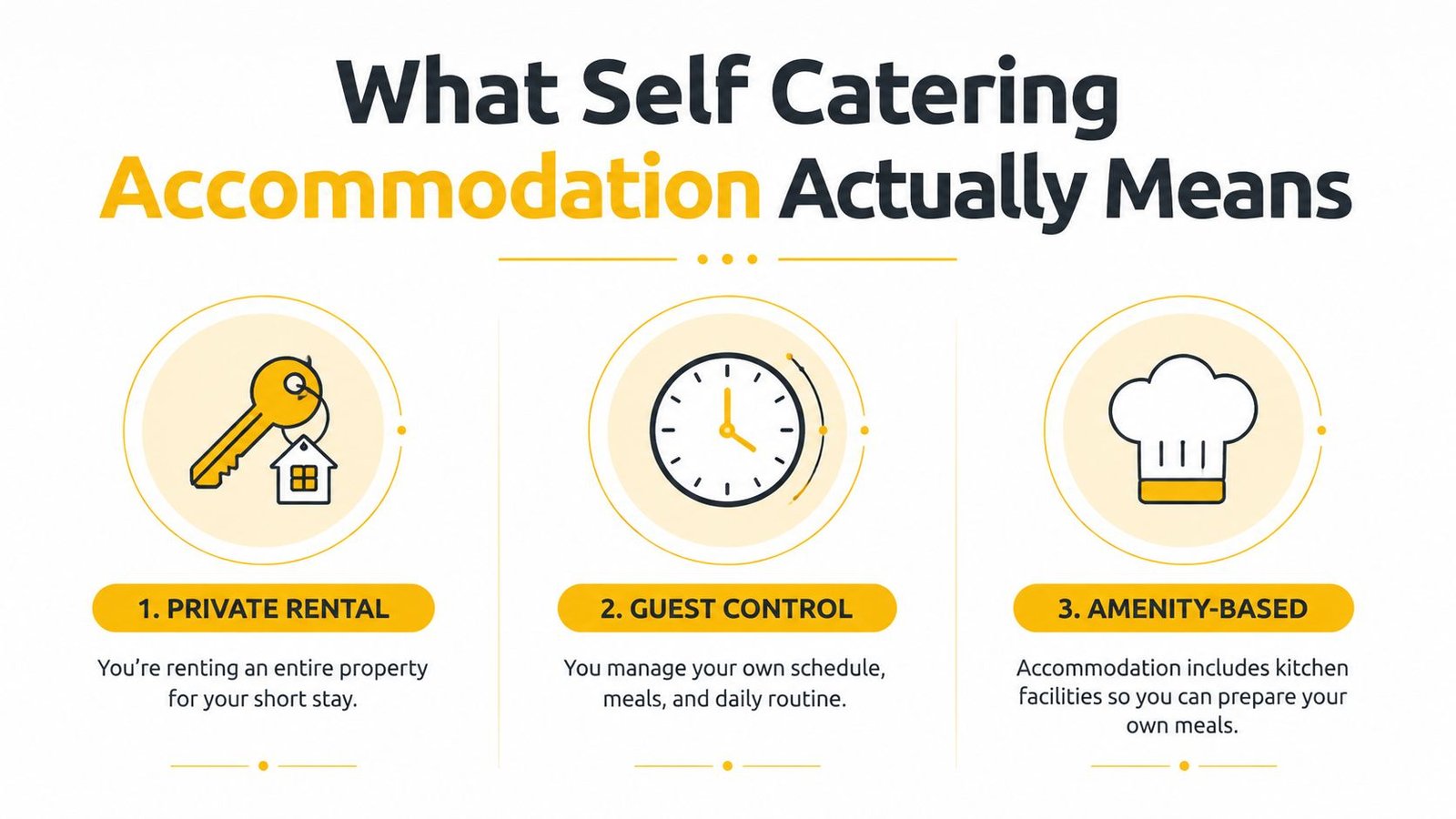
Self catering accommodation is a short-stay property where guests live independently and prepare their own meals. The category includes holiday cottages, apartments, converted barns, farm stays, and managed holiday-park units. A kitchen is central, but the wider experience also depends on living space, laundry access, storage, and the ability to organise each day without hotel-style service.
The distinction from a hotel or B&B is therefore structural as well as emotional. A hotel normally centres on a bedroom, reception service, and food supplied by the property or nearby businesses. A self-catering unit normally gives you private domestic space, cooking equipment, and control over when you eat, sleep, leave, and return.
It's also useful to separate self catering from the wider short-term rental market. A short-term rental can be a room, a whole home, or another temporary arrangement. Self catering is more specifically presented as a holiday product designed for self-sufficient living. A practical overview of the broader category is available in Global's explanation of short-term rentals, but holiday guests should still check the individual listing carefully because standards vary.
A substantial part of England's accommodation mix
A major 2021 economic-impact study estimated that 56,125 self-catering properties were operating in England in 2020, with most units containing three bedrooms or fewer. The same study estimated £13.8 million in total expenditure from the sector in England, distributed across accommodation spending, visitor nights, and property-scale demand. These figures come from the Self-Catering England Economic Impact Study.
The wider holiday-let market has expanded beyond that defined self-catering stock. Parliamentary briefing material noted around 370,000 short-term rental properties in England in February 2024, compared with roughly 257,000 short-term and holiday lettings in 2022. That comparison indicates rapid growth in the broader market, but it shouldn't be treated as a precise count of traditional cottages and apartments alone.
What the guest should expect
A well-described self-catering property should make its operating model clear. Look for:
- Private facilities: Your kitchen, bathroom, living areas, and sleeping arrangements should be identified plainly.
- Guest responsibility: You'll normally buy food, prepare meals, manage basic tidying, and follow departure instructions.
- Amenity-led design: Equipment such as an oven, refrigerator, cookware, dining furniture, and often laundry facilities supports independent living.
- Variable service: Some operators provide welcome packs, linen, logs, or local recommendations. Others offer a more hands-off arrival.
That variation is part of the charm, but it creates a responsibility for the booker. Read the listing as an operating guide, not just a sales description. “Kitchen” doesn't tell you whether there's a dishwasher, freezer space, sharp knives, or enough cookware for your group.
Choosing the Right Type of Self Catering Property
The property type sets the rhythm of your holiday. A cottage can make the accommodation itself feel like a destination, while an apartment may put the best parts of a city within walking distance. Farm stays and holiday parks offer still different balances between independence, shared facilities, and convenience.
| Property Type | Best For | Typical Setting | Key Advantage | Main Limitation |
|---|---|---|---|---|
| Cottage | Couples and small families | Rural villages, moorland, or coast | Character, privacy, and outdoor space | Driving may be necessary for food and attractions |
| Apartment | City visitors and short breaks | Town centres and urban neighbourhoods | Access to restaurants, culture, and transport | Less private outdoor space |
| Farm stay | Families and nature-focused travellers | Working farms and countryside | Rural immersion and a slower pace | Services and shops may be further away |
| Holiday park | Families wanting facilities | Coastal or countryside parks | On-site activities and practical convenience | Busier atmosphere and less individual character |
Cottages for atmosphere and independence
Traditional cottages work best when you want the building and setting to contribute to the holiday. Thick walls, fireplaces, gardens, and village lanes create a sense of place that a standard hotel room rarely matches. They're especially effective for a longer stay, when you can settle into the kitchen and use the property as a genuine base.
The limitation is logistics. A remote cottage may require a deliberate food shop before arrival, careful fuel planning, and longer drives to restaurants or attractions. Check the access description too. Narrow lanes, steep approaches, and limited turning space can matter more than a photograph of the sitting room.
For extended families or groups of friends, browse guidance on large group cottages in the UK from Hen Hideaways. The useful question isn't whether everyone can sleep there. It's whether the kitchen, dining table, bathrooms, parking, and living room can handle the group comfortably.
Apartments, farms, and parks
Apartments suit travellers who want to step outside and immediately reach cafés, galleries, markets, or transport links. They often make sense for a city break or a route with frequent day trips, although noise, shared entrances, and parking restrictions can reduce the feeling of escape.
Farm stays offer a deeper rural experience. Children may enjoy seeing animals, while adults often value the quiet and access to local produce. The trade-off is that farms can be less convenient for spontaneous evening meals or late arrivals.
Holiday parks provide an organised version of self catering. A unit may include a kitchen while the site supplies a pub, pool, shop, or activities. That combination works well for families who want flexibility without complete isolation. It's less suitable if your priority is silence, architectural character, or an intimate connection with a village.
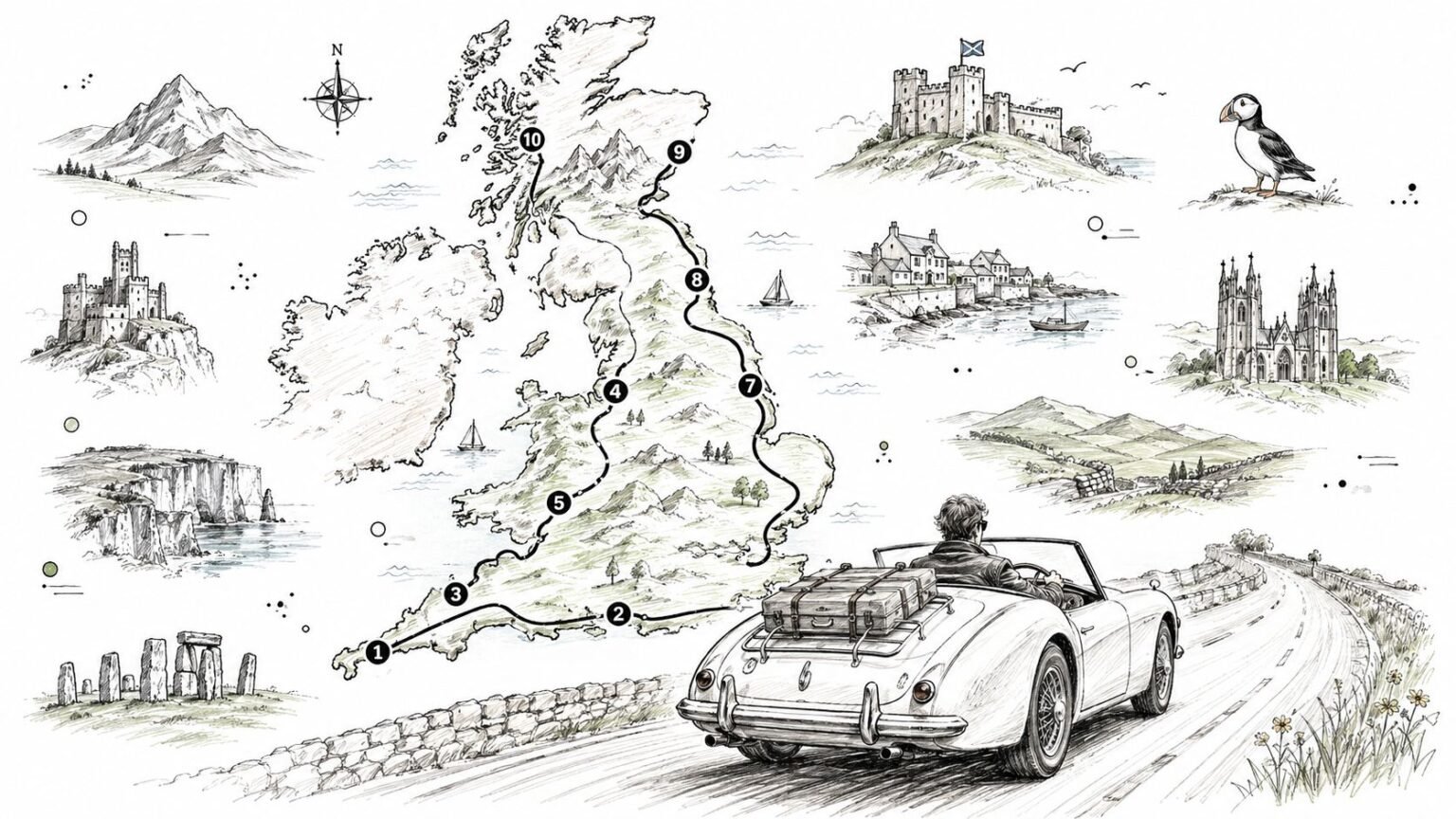
If you're comparing a city base with a rural stay, visualise the daily route as well as the room. An England travel image from BTOURS can help frame that contrast, but your final choice should come from driving times, facilities, and the atmosphere you want after sightseeing.
Costs and Seasonal Patterns of Staying Self Catered
Self catering can lower meal costs and give a group more room, but the nightly rate is only part of the decision. Add cleaning charges, parking, fuel, groceries, restaurant meals, and the time needed to plan and cook. A central apartment may cost more per night yet reduce driving enough to make the whole trip easier. A remote cottage may have a lower rate, while demanding more transport and preparation.
Comparisons are also limited because England has no single, definitive source for self-catering stock. The VisitBritain audit discussed in the itineraries section treats stock counts as estimates rather than fully verified totals. Read broad availability claims carefully, particularly when a platform groups cottages, private rooms, apartments, and other short-term rentals together.
Demand is concentrated, but opportunity is uneven
Regional demand varies sharply. Savills reports that the greatest number of nights reserved remains concentrated in London, the South West, and the South East. The North East, East Midlands, and West Midlands have fewer short-term rental properties, yet show some of the strongest growth in supply and nights reserved. For travellers, that can make a route through a less concentrated region attractive, with more property choice and a quieter stay than a better-known coastal hotspot.
Booking pressure rises around school holidays, bank holidays, and popular local events, especially in coastal and rural areas. Shoulder periods often offer a better balance of open attractions, manageable roads, and available properties. Off-season stays can work well, provided you check heating, daylight, wet-weather access, and whether nearby pubs and attractions operate throughout the year.
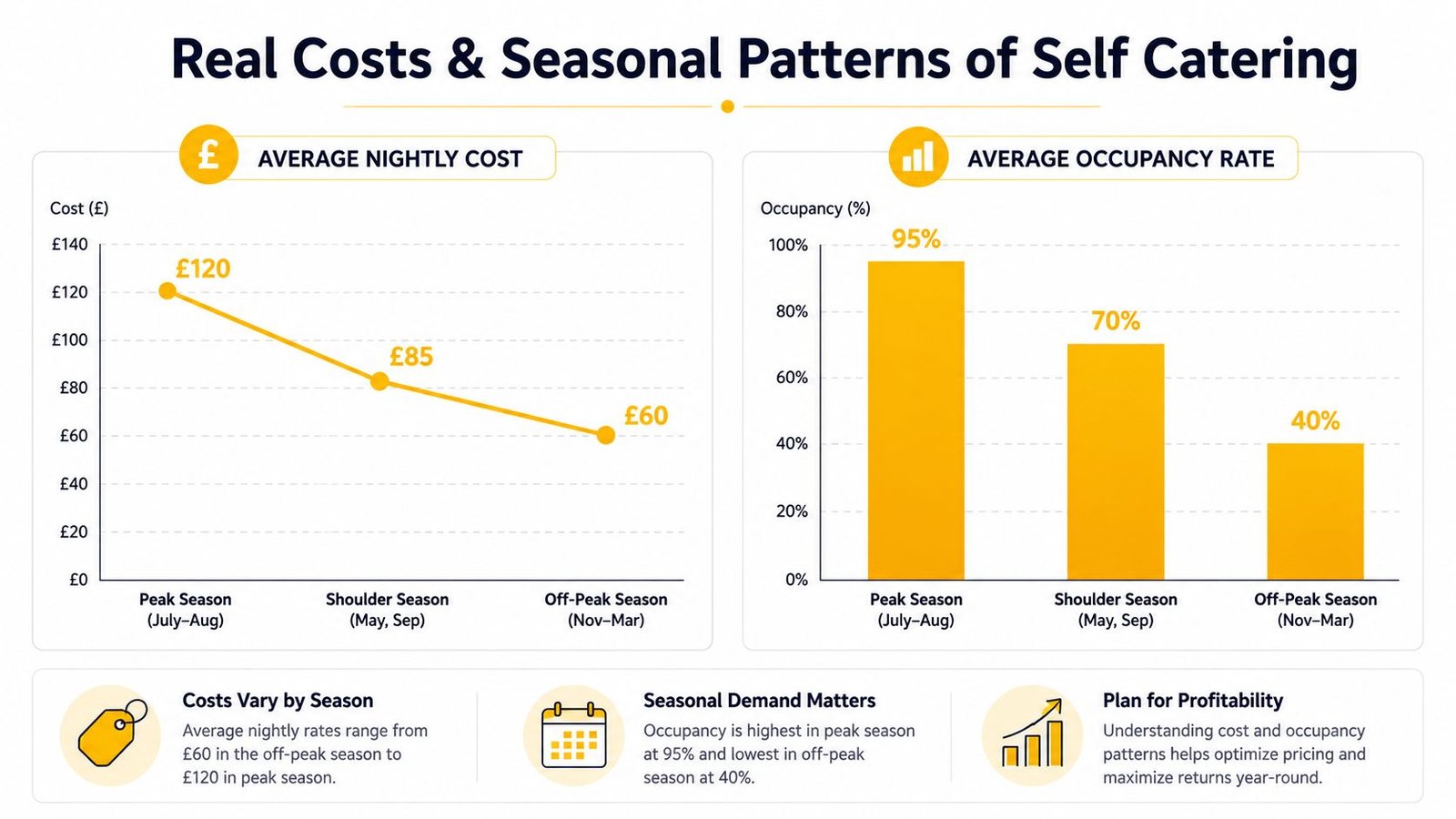
The graphic shows a common seasonal pattern, but use it as a planning aid rather than verified national averages. The same caution applies to holiday accommodation books at Barrons. Guidebooks can suggest destinations, while current availability and the property's own terms should decide the booking.
Reclassification is changing the apparent supply
A 2024 government release found that 10,710 self-catering holiday homes were deleted from England's non-domestic rating list in 2023 to 2024. 86.7% of those properties were matched to an insertion on the Council Tax list, indicating that many changed classification rather than leaving the market. The government's analysis of movement between rating lists provides useful context when headline stock figures appear to change.
For travellers, reclassification can coincide with tighter availability in particular destinations, more minimum-stay conditions, and a wider gap between appealing properties and bookable ones. In concentrated markets, book earlier and compare nearby regions before assuming the famous postcode offers the best value.
Essential Amenities and Practical Considerations Before You Book
A listing can look perfect until you try to cook for four people with one small saucepan, dry wet walking gear without a radiator, or find the only parking space is several streets away. The cure is a deliberate pre-booking check, not a longer wish list.
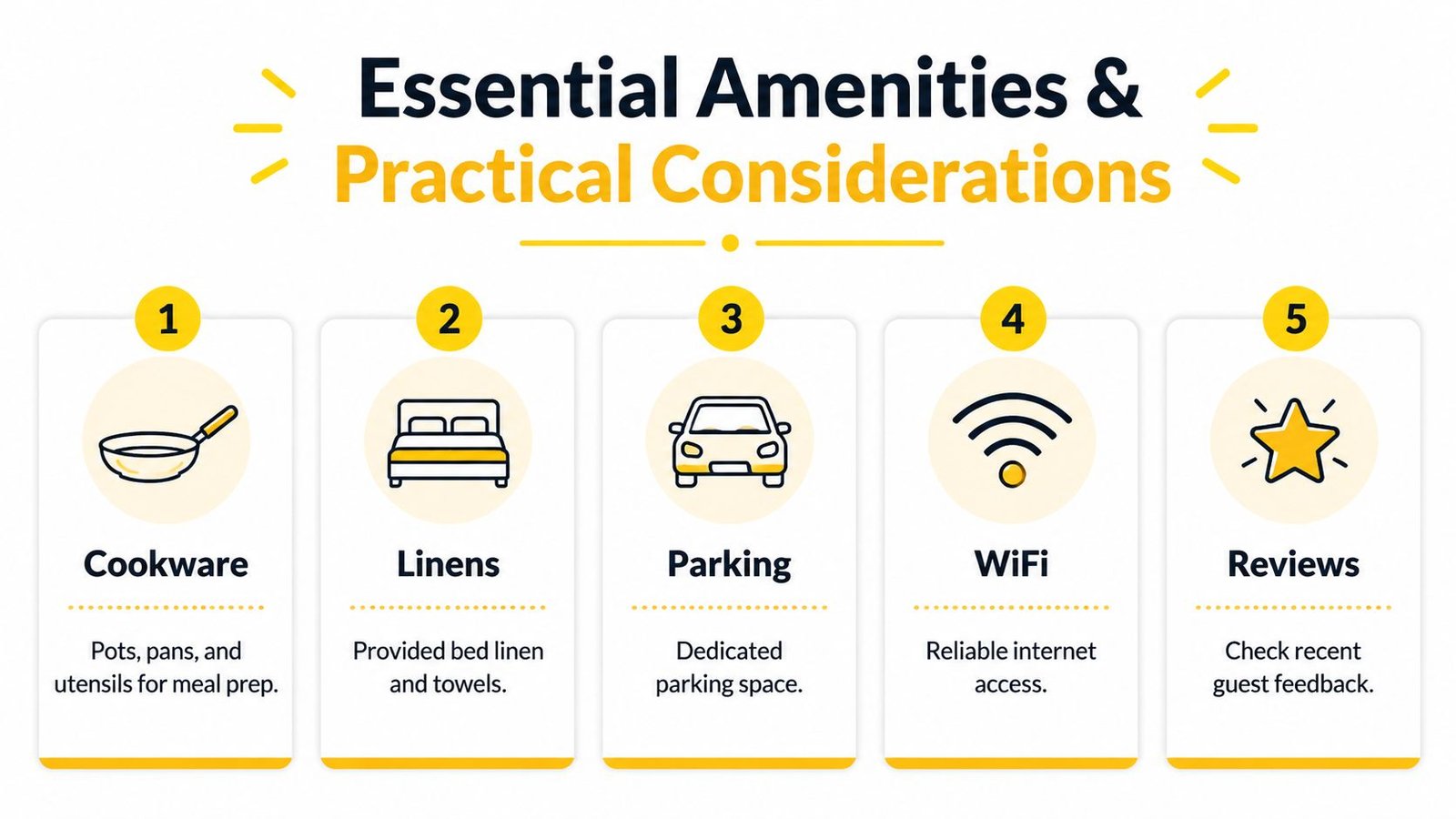
Start with the basics and match them to your actual routine. If you'll prepare breakfast and evening meals, confirm the oven, hob, refrigerator, freezer space, cookware, utensils, mugs, and dining area. If you're travelling with children, ask whether there's a high chair, stair gate, or suitable sleeping arrangement rather than assuming one is available.
Ask questions that expose the real experience
Use the listing and the owner's answers together. A vague description isn't necessarily dishonest, but it does mean you need clarification before paying.
- Cooking equipment: Ask whether the kitchen is designed for full meals or only light preparation.
- Laundry: Confirm whether a washing machine is private, shared, available on request, or absent.
- Connectivity: Check whether Wi-Fi reaches bedrooms and whether mobile reception is reliable if you need to work.
- Parking: Establish whether parking is dedicated, off-road, shared, permit-controlled, or located at a distance.
- Outdoor space: Ask whether a garden is enclosed, private, shared, or a nearby public area.
- Accessibility: Verify widths, steps, bathroom layout, shower access, bedroom position, and parking distance with the operator.
- Pets: Confirm the number of animals allowed, rooms they can enter, cleaning charges, garden security, and nearby walking access.
Recent reviews often reveal more than polished photographs. Look for repeated comments about heating, noise, water pressure, cleanliness, mattress comfort, and arrival instructions. A single complaint may reflect an unusual incident. A pattern usually deserves attention.
Before you book: Ask the question that would make you cancel if the answer were wrong.
Understand the operator's compliance position
The business-rates rules affect operators directly, but they also reveal how seriously a property is being run. In England, self-catering accommodation generally qualifies for non-domestic business rates only when it's available for commercial letting for at least 140 days in the year and let for at least 70 days in the previous 12 months. Properties that miss either test are usually assessed for council tax, as explained in the official holiday accommodation rating guidance.
That classification doesn't tell you whether a cottage is comfortable, but it forms part of the changing operating environment. England is also introducing a mandatory national registration scheme for short-term lets, according to government guidance for letting a self-catering holiday home. Ask whether the operator understands the rules that apply locally, particularly if the property sits in a sensitive or heavily regulated area.
Pairing Self Catering with Self Drive Itineraries Across England
Self catering earns its place on a driving holiday when the property supports the route rather than interrupting it. Parking makes unloading simple, a kitchen allows an early breakfast before the first road, and a living room gives everyone space to recover after walking, sightseeing, or a long drive.
Choose the route and accommodation together. A coastal cottage in Cornwall may justify several nights, giving you time for beaches, harbour villages, and inland detours. An apartment in Bristol can suit a shorter urban stay before continuing towards the Cotswolds or Mendips. A farm stay near the Yorkshire Dales can turn a walking itinerary into a slower rural break.
Match the base to the region
Cornwall and Devon reward a base that lets you leave early and return without crossing busy centres at the wrong time. Coastal roads can be narrow and slow, so staying near your priority beaches may offer more value than choosing a cheaper property further inland. Check for secure parking and somewhere to dry clothing before committing.
The Lake District and Yorkshire Dales call for practical storage, drying space, and clear arrival information. A beautiful property becomes awkward when boots, waterproofs, and outdoor equipment have nowhere to go. Rural roads also make timing important, especially if you expect to arrive after dark or in poor weather.
The Norfolk Broads suit a slower pattern. An apartment or cottage near a market town can combine waterways, villages, and food shopping without forcing every day into a long loop. In the Cotswolds, village location affects both parking and evening quiet. A nearby settlement may provide easier access and a more relaxed base than staying in the busiest centre.
Let regional demand shape the plan
As noted earlier, demand and supply are uneven across England, so routes beyond the familiar hotspots deserve comparison rather than automatic dismissal. A lower price is not guaranteed, but less obvious destinations may offer more choice when popular areas have tightened availability.
A strong itinerary does not chase the most famous destination every night. It uses a well-placed base to reach places other travellers pass by.
Planning rules add another practical constraint. In Greater London, letting a whole home for short stays is constrained by the 90-night rule without a change-of-use issue. Outside London, the question is usually whether the activity creates a material change of use, with local enforcement and Article 4 directions affecting the answer. Planning guidance on holiday lets explains why the same booking approach will not work everywhere.
Regulation can affect availability as well as legality. The business-rates tests and the developing national registration scheme mean some operators may review whether short-term letting remains worthwhile. For travellers, that creates a reason to book suitable properties earlier, particularly in areas where demand already concentrates.
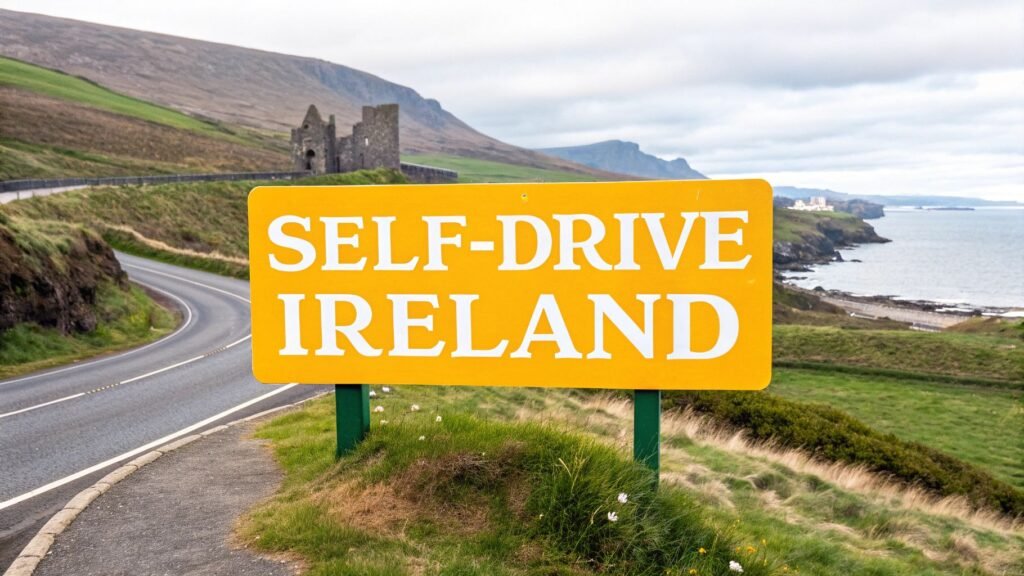
Minimum stays can shape the route too. A popular cottage may require a longer booking during busy periods, so build the itinerary around that anchor instead of forcing a one-night stop. This coastal-drive road-trip image from BTOURS reflects the type of journey where accommodation location determines whether each day feels expansive or rushed.
BTOURS offers self-drive itineraries with selected accommodation arrangements. Its England journeys may suit travellers who want route planning handled while retaining the flexibility of travelling by car. Check the accommodation format before booking. The operator's terms describe middle-class hotels or B&Bs with breakfast on its tours, while some itineraries mention self-catering cottages as an option in destinations such as the Lake District or Isle of Skye.
Making the Most of Your Self Catering Experience in England
A good self-catering stay feels relaxed because the awkward details were settled before arrival. Plan a few reliable meals without turning the kitchen into a work schedule. Pick up breakfast supplies and a simple first-night dinner nearby, then leave space for a pub meal, seafood lunch, or bakery you find on the road.
Treat the property as someone's home and the surrounding area as a lived-in neighbourhood. Keep noise low, follow parking instructions, sort rubbish correctly, and leave gardens or patios as you found them. These small habits help preserve the independence and local character that make self-catering worthwhile.
Build flexibility into every day
A tightly timed driving plan can make England feel rushed. Set a broad destination, keep one dependable meal option available, and allow time for a village, viewpoint, or footpath that deserves a stop. Check the forecast, then pair outdoor plans with nearby indoor alternatives so rain changes the day rather than cancelling it.
Your base should support the way you travel. If you expect early walks, prioritise a practical kitchen and easy parking over decorative features. If you plan long days out, a smaller property in a convenient location may serve you better than a larger house that adds driving time. Read the arrival instructions and check food shops, fuel, and evening dining before you commit.
Availability is also being shaped by more than visitor demand. Registration rules, planning controls, and business-rate decisions may lead some operators to reassess short-term letting. That can reduce choice in popular areas, especially when seasonal demand is already concentrated. Booking earlier, considering nearby villages, and travelling outside the busiest periods can protect both choice and value.
Choose the region before the room
Start with the experience you want. The South West suits dramatic coastlines and village detours, the Lakes work well for walking and scenic views, the Midlands provide central positioning, and the North East combines heritage with less familiar scenery. Choose the region first, then find a property that makes those days straightforward.
A UK road-trip image from BTOURS captures the wider principle. Accommodation should support the route rather than compete with it. A well-placed kitchen, reliable parking, and access to local services can matter more than an impressive room photographed in isolation.
The sector has a longer history than the current booking market suggests. A 2016 academic review recorded 29,286 holiday dwellings among 68,024 accommodation establishments identified in VisitEngland's 2014 accommodation survey. The academic review of the rural and coastal self-catering sector also examines how self-catering developed beyond a narrowly rural or coastal role. These figures span different years and sources. The 2016 review covers a narrower sample, while later parliamentary data reflects a broader council response, so they should not be read as a single count.
Choose your English region, map the drives you want, and check availability before paying a deposit. Staying just outside a concentrated hotspot can provide easier parking, better access to shops, and more flexibility without losing the character that drew you there.
BTOURS creates self-drive road trips and multi-day journeys with selected accommodation and planned routes. Visit BTOURS to review England itineraries that may help organise a self-catering road trip. Check the accommodation format and booking terms carefully, because arrangements can vary between itineraries.