The Argyll Coastal Route runs 129 miles from Tarbet on Loch Lomond to Fort William, and while you can technically drive it in three hours, that misses the point entirely. Give it three to five days, a car or a campervan, and a loose plan, and you get castles, prehistoric stone circles, whisky, ferries to the islands, and some of the best coastal views in Scotland. It suits drivers who want variety over speed, and it rewards anyone willing to stop often.
What is the Argyll coastal route and how long does it take?
The route officially runs from Tarbet, on the western shore of Loch Lomond, to Fort William, tracking the Argyll coastline via Inveraray, Kilmartin Glen, Oban and Glencoe. VisitScotland puts the official transit time at roughly three hours, but that figure assumes you drive straight through without stopping for a single photo, a single dram, or a single castle. Nobody actually does that.
Realistically, this is a 3 to 5 day proposition. Three days works if you’re tight on time and happy to skip a few detours. Five days lets you add an island hop from Oban and a proper wander round Kilmartin Glen’s Neolithic sites. Most self-drive travellers land on four.
Here’s what you’re working with logistically:
- Distance: 129 miles / 208 km, Tarbet to Fort William
- Official driving time: around 3 hours non-stop
- Recommended trip length: 3 to 5 days
- Nearest airport access: Glasgow, roughly 40 minutes from Tarbet by car, with rail connections onward
- Road types: a mix of well-maintained A-roads and single-track coastal lanes, particularly around Kintyre and the smaller peninsulas
- Fuel planning: stations are reliable in Tarbet, Inveraray, Lochgilphead, Oban and Fort William, but sparser on the quieter loops in between, so top up in the larger towns rather than assuming the next petrol station is close
That three-hour official figure is worth sitting with for a second. It tells you almost nothing useful about what the trip actually feels like once you factor in ferry queues, castle tours, and the twenty minutes you’ll inevitably lose pulling over at Loch Fyne because the light just did something extraordinary.
Recommended Argyll coastal route itineraries: 3, 4 and 5 days
Daily splits along this route tend to follow a natural rhythm that most itinerary planners converge on: Tarbet to Inveraray, Inveraray to the Kilmartin or Lochgilphead area, on to Oban, then Oban through Glencoe to Fort William, as outlined in GoBoony’s motorhome itinerary. The version you choose depends on how much time you have and how many detours you want to fit in.
The 3-day compressed plan
This suits drivers who want the highlights without the extras. You’ll be moving most days, so build in fewer long walks and lean on quick photo stops instead.
- Day 1: Tarbet to Inveraray (approx. 60 miles). Start early, stop at Luss on Loch Lomond for a short walk, then push on to Inveraray for the castle and a Loch Fyne seafood lunch. Overnight in Inveraray.
- Day 2: Inveraray to Oban (approx. 60 miles), via Kilmartin Glen. Give yourself two hours at Kilmartin Glen for the standing stones and cairns, then continue to Oban. Overnight in Oban.
- Day 3: Oban to Fort William (approx. 50 miles), via Castle Stalker and Glencoe. A brief stop for the Castle Stalker viewpoint near Appin, then into Glencoe for an hour at the visitor centre before finishing in Fort William.
If you need to shorten further, skip Kilmartin Glen or compress Glencoe to a photo stop rather than a walk. The castle and the distillery in Oban are the two things worth protecting on a tight schedule.
The 4-day balanced plan
This is the pace most self-drive travellers actually choose, and for good reason: it lets you enjoy each stop without racing the clock.
- Day 1: Tarbet to Inveraray. Walk Luss village, stop at the Inveruglas pyramid viewpoint over Loch Lomond, then arrive in Inveraray by mid-afternoon for the castle and jail.
- Day 2: Inveraray to Lochgilphead, with Kilmartin Glen. A shorter driving day (around 30 miles) built around Kilmartin Glen’s prehistoric monuments. Base yourself in Lochgilphead or push on to Oban depending on campsite availability.
- Day 3: Lochgilphead to Oban. Arrive in Oban with time for McCaig’s Tower, the harbour, and a distillery tour. Overnight here, ideally two nights if you’re adding an island trip.
- Day 4: Oban to Fort William, via Castle Stalker and Glencoe. The scenic finale: coastal views near Appin, then Glencoe’s dramatic glen before arriving in Fort William.
Campervan travellers on this plan should book Oban’s campsites in advance during summer. It’s the one town on the route where demand regularly outstrips space.
The 5-day relaxed plan
Add a fifth day and you unlock the parts of the route that most three-day itineraries have to sacrifice: an island day trip and a genuine rest day.
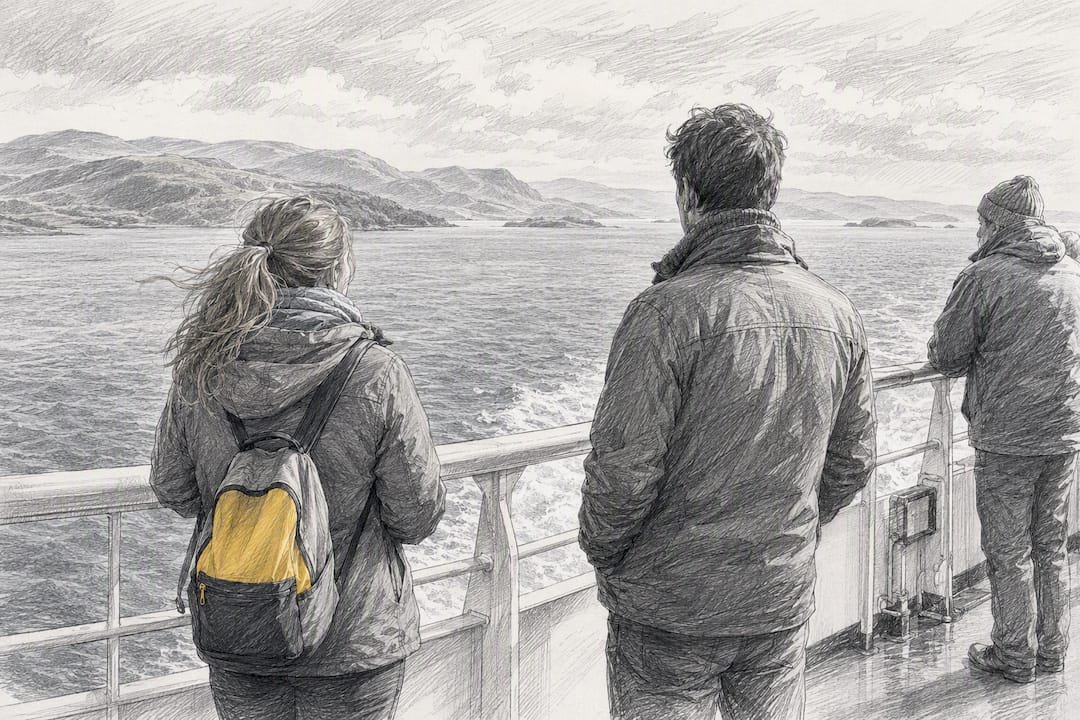
The structure mirrors the four-day plan for days one through three, but splits Oban into two nights, using the extra day for a ferry crossing to Mull or Iona. Day five then follows the Castle Stalker to Fort William leg at a gentler pace, with time for a longer hike near Glencoe if the weather holds.
This version also gives campervan travellers breathing room to deal with services (waste, water, laundry) without eating into sightseeing time, and it’s the version worth choosing if you’re travelling with kids or older relatives who need a slower pace. For more on structuring flexible days like this, BTOURS has pacing guidance for scenic, off-the-beaten-path routes that applies just as well here as it does elsewhere in Scotland.
Which stops on the Argyll coast are worth the detour?
The route’s canonical stops, commonly cited by regional guides, form a natural backbone that most itineraries build around. Here’s what each one actually offers, and how long to budget.
- Loch Lomond (Luss and Inveruglas): Luss is a small, photogenic village worth 30 to 45 minutes. The Inveruglas pyramid viewpoint, a short walk from the car park, gives one of the best open views across the loch to Ben Lomond. Budget an hour combined.
- Inveraray: Inveraray Castle, seat of the Duke of Argyll, and Inveraray Jail (a preserved 19th-century prison with costumed interpretation) are both worth two to three hours together. Follow it with lunch at one of the Loch Fyne seafood restaurants nearby, which trade on genuinely fresh oysters and langoustines.
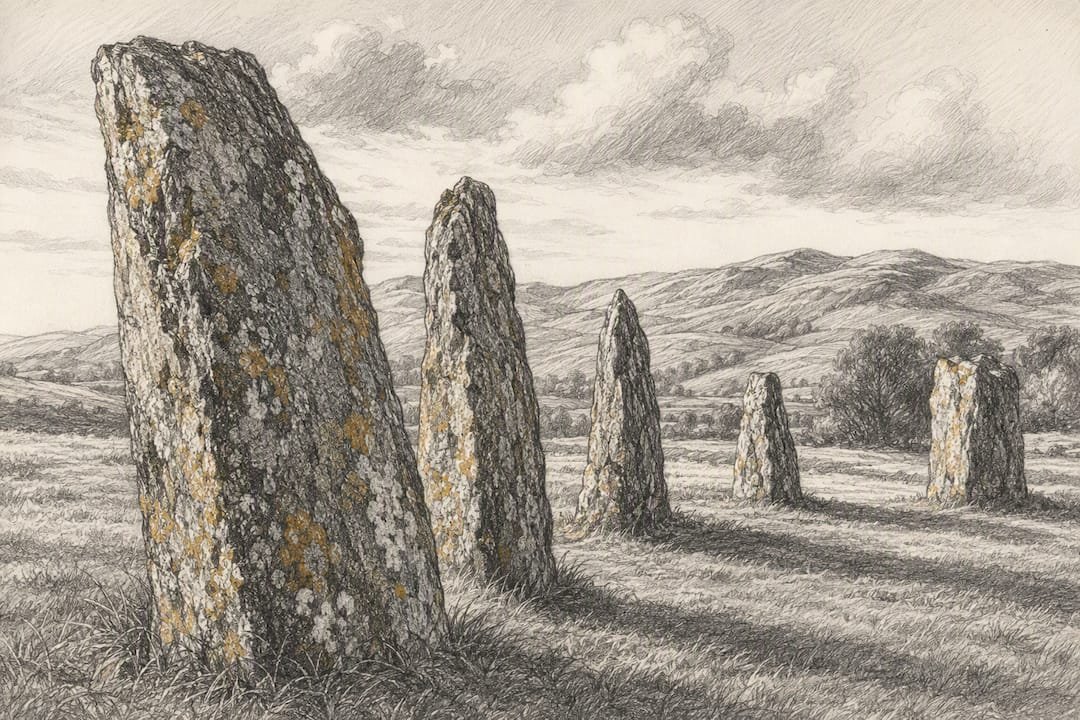
- Kilmartin Glen: One of the densest concentrations of prehistoric monuments in Scotland, with standing stones, cairns and rock carvings spanning the Neolithic to Bronze Age. A short walk between the main cairns takes about an hour; the museum and wider glen can easily fill half a day. Local experts frame this stretch of Argyll as culturally significant territory tied to Dál Riata and Clan Campbell history, and it rewards travellers who slow down here rather than rushing through.
- Oban: The harbour town anchors the whole route. McCaig’s Tower overlooks the bay, the Oban Distillery runs regular tours, and the working harbour itself is worth an hour’s wander. Oban also serves as the main ferry gateway to Mull and Iona, which is worth knowing even if you don’t have time for the crossing this trip.
- Castle Stalker: A tiny tidal islet castle near Appin, visible from a well-known roadside viewpoint. You don’t need to visit the castle itself (access is limited) to get the classic photograph. Fifteen minutes is enough.
- Glencoe: Dramatic, brooding, and historically loaded, this is the site of the 1692 massacre of the MacDonalds. The National Trust visitor centre gives context in 30 to 45 minutes, and there are short waymarked trails if you want a stretch of the legs. Longer hikes into the glen itself can take half a day or more.
- Fort William: The end point, and a genuinely useful base if you want to extend the trip. Ben Nevis, Britain’s highest peak, looms over the town, and several outdoor outfitters here can kit you out for a hike if the weather cooperates.
Driving and campervan tips for the Argyll coast
Single-track roads are common on the quieter stretches of this route, particularly around the smaller peninsulas off the main A-roads. The system works on passing places: pull into the nearest one on your left if a vehicle approaches from the opposite direction, and never block one by stopping in it to take photos. Locals use these roads daily and don’t appreciate visitors treating them like scenic laybys.
Plan your daily driving around 25 to 30 mph average speeds on single-track sections, faster on the main A83 and A85 stretches. That sounds slow until you remember you’re not trying to get anywhere fast.
Campervan travellers have a few extra things to plan for. Campervan-specific route guides recommend treating Oban and Fort William as your main service towns: both have facilities for emptying waste water and topping up fresh water, and both have supermarkets big enough for a proper restock. The route itself mixes busy A-roads with quieter coastal sections, but towns for fuel and supplies are rarely far apart, even on the remoter-feeling stretches.
A few other practicalities worth flagging:
- Daylight in summer stretches past 9:30pm, giving you long, flexible days; in shoulder seasons, plan your last leg to finish before dusk.
- Weather changes fast on the west coast. Check forecasts each morning rather than trusting the previous day’s outlook.
- Parking in Oban and Inveraray fills up in July and August; arrive early or expect to circle for a spot near the harbour.
- Popular viewpoints like the Castle Stalker layby have limited space. Pull in fully and don’t linger if others are waiting.
Pro Tip: If you’re driving a larger campervan, check bridge and height restrictions before detouring off the main route onto any of the smaller peninsula roads around Kintyre. Some of the older stone bridges weren’t built with modern motorhomes in mind.
When is the best time to drive the Argyll coastal route?
Late spring through early autumn is the sweet spot, and VisitScotland’s own seasonal guidance backs this up: it’s when daylight runs longest, ferry services to Mull and Iona run at full frequency, and the west coast weather is at its most cooperative. June can bring midges in still, damp conditions, particularly around dusk near Loch Lomond and Glencoe, so pack repellent if you’re travelling then. September and early October trade a bit of daylight for quieter roads and proper autumn colour through the glens.
A simple daily rhythm works well regardless of season: start driving by 9am to beat the tour coaches into Inveraray and Oban, treat midday as your main sightseeing block, and keep late afternoon free for the best light, particularly around Loch Lomond and the Castle Stalker viewpoint. Shoulder season travel (April to May, late September) also thins out campsite competition, though some smaller campsites and ferry timetables run reduced schedules outside peak summer.
Where to stay along the Argyll coastal route
Four towns work well as overnight bases: Tarbet or Luss for night one, Inveraray or Lochgilphead for the middle stretch, Oban as your hub (worth two nights if you’re adding an island trip), and Fort William at the finish. Each has enough restaurants, fuel and basic services to make evenings easy rather than another logistics puzzle.
For campervan travellers, the trade-off between campsites and B&Bs comes down to flexibility versus comfort. Campsites near Oban and Fort William typically offer electric hook-up, waste disposal and decent shower blocks, and the better ones book out fast in July and August, so reserve ahead if you’re travelling then. B&Bs and small hotels in Inveraray or Fort William suit travellers who want a proper bed and a cooked breakfast without the setup and teardown of camping.
Wild camping is legal in most of Scotland under the Scottish Outdoor Access Code, though campervans should stick to informal laybys or designated areas rather than pitching tents on private land, and always leave no trace. It’s worth noting that wild camping in a motorhome is more restricted than backpacking with a tent, so check local signage, particularly around Loch Lomond, where byelaws in certain zones restrict overnight parking during peak season.
What extra activities are worth building into the trip?
Oban’s ferry terminal is the gateway to Mull and Iona, and it’s worth the extra day if you have one. The crossing to Mull takes around 45 minutes, and from there a connecting ferry reaches Iona, a genuinely rewarding detour for its abbey and its quiet, end-of-the-world atmosphere. Book ferry slots ahead in summer, especially if you’re bringing a vehicle across.
Wildlife cruises run from Oban and nearby harbours, spotting seals, dolphins and occasionally minke whales depending on the season. These typically run two to three hours and are worth booking a day or two in advance during peak months.
Kilmartin Glen rewards a longer stop than most itineraries allow for: budget half a day if archaeology interests you, or an hour if you’re just passing through for the standing stones. Whisky drinkers should factor in an hour for a distillery tour in Oban, and anyone who hasn’t eaten fresh langoustines at Loch Fyne near Inveraray is missing one of the route’s simplest pleasures.
What I’d actually prioritise on this drive
What strikes me most about this route isn’t the scenery, which is obviously spectacular, but the density of it. You can go from Neolithic stone circles to a working whisky distillery to a 700 year old tidal castle in the space of a single afternoon, and that combination of pace and cultural weight is rare even by Scotland’s standards. Most drivers underestimate how much time Kilmartin Glen deserves and overestimate how much they need in Glencoe’s visitor centre. Flip that balance and the trip improves.
Some companies build routes like this around the traveller rather than the other way round: a family wanting easy stops and short walks gets a different daily rhythm to a couple chasing photography light or a solo hiker who wants an extra day around Glencoe. That flexibility, combined with membership of the Adventure Travel Trade Association, can separate a good self-drive plan from a generic one.
— Theo
Let BTOURS plan your Argyll coastal route self-drive
One practical alternative to stitching this trip together yourself from scattered blog posts and guesswork over campsite bookings is to build a personalised self-drive itinerary around your pace, whether that’s a tight three-day dash or a relaxed five-day loop with an island detour built in.

This kind of service suits drivers who want the freedom of their own car or campervan without losing the safety net of expert support if something changes mid-trip, plus handpicked accommodation booked in advance so they are not scrambling for a campsite in Oban in August. It can work particularly well for travellers weighing up history-heavy stops like Kilmartin Glen against nature-focused detours like Mull, since a tailored plan can balance both without wasting a day.
If you’re ready to see what a properly planned Argyll route could look like for your dates and travel style, start with guides on what to look for in a self-drive tour package before you book.
Sources
FAQ
Is the Argyll coastal route the most beautiful road trip in Scotland?
It’s consistently ranked among Scotland’s finest scenic drives thanks to its mix of lochs, castles and coastline, though the North Coast 500 and other Highland routes offer equally strong competition depending on what you’re after.
Is Argyll worth visiting?
Yes. Argyll combines prehistoric sites at Kilmartin Glen, castle history at Inveraray, and ferry access to Mull and Iona from Oban, all within a compact, drivable stretch of coastline.
Can I extend this into a 10-day road trip along Scotland’s west coast?
Yes, easily. Pair the Argyll Coastal Route with a northward extension toward Skye or the North Coast 500 for a longer west coast loop, though you’ll want at least 10 days to do both without rushing.
What’s the most famous driving route in Scotland?
Some other routes typically claim that title by reputation, but the Argyll Coastal Route is better suited to travellers who want cultural depth and shorter daily distances rather than a long circular loop.
How long should I spend on the Argyll coastal route?
Most travellers should plan for 3 to 5 days, with four days offering the best balance of pace and sightseeing for both car and campervan travellers.