
Choose three days if you’re squeezed for time and happy to drive most of it, five if you want the classic balance of driving and dawdling, and seven if you actually want to enjoy Applecross rather than just photograph it from the car. Whichever length you pick, build in more time than you think you need. Single-track roads and passing places slow everyone down, and the North Coast 500 rewards patience far more than speed.
Choosing your north coast 500 itinerary length
The NC500 covers over 500 miles of coastline, mountain pass and moorland, looping out from and back to Inverness. How you divide that distance decides whether your trip feels like a proper holiday or a driving test. Here’s how the three common lengths break down, with a headline stop for each day so you know what to prioritise if time runs short.
- Three days. Roughly 170 miles a day. You’ll see Applecross, Torridon and the far north coast, but you’re driving four to six hours most days with little slack. Best for travellers with limited holiday time who accept they’re trading depth for coverage.
- Five days. Around 100 miles a day on average, with two shorter days built in. This is the itinerary most first-timers should aim for: enough breathing room to walk to a waterfall or linger over lunch in Ullapool without blowing the schedule.
- Seven days. Roughly 75 miles a day, often less. You get rest mornings, room for a boat trip or distillery tour, and enough slack to reroute around a wet forecast without losing a single major stop.
For overnight bases, Ullapool, Applecross or Torridon, Durness, and John O’Groats or Wick cover the route well regardless of length. In the peak summer months, book accommodation well in advance. Small coastal villages have a handful of rooms each, and they sell out fast once word gets round on social media. If you want a fuller breakdown of stops beyond these summaries, BTOURS has put together 10 North Coast 500 itinerary ideas worth cross-checking against your own plan.
A 3-day north coast 500 road trip plan
This is the sprint version. It works, but only if you’re realistic about what “seeing” a place means when you’ve got four hours of driving ahead of you.
Day 1: Inverness to Applecross (about 3 to 4 hours driving)
Head west through Contin and over to Kinlochewe before tackling the Bealach na Bà, the hairpin pass that climbs to over 2,000 feet with views across to Skye on a clear day. Stop in Shieldaig for an early lunch if the weather’s playing along. Overnight in Applecross village, right on the water.
- Primary stop: the Bealach na Bà viewpoint at the top of the pass.
- Alternative: if low cloud kills the view, skip the summit stop and spend the saved time walking the Applecross shoreline instead.
- Parking note: the pass has small pull-ins, not a car park, so don’t dawdle at the top if others are queuing behind you.
Day 2: Applecross to Ullapool (roughly 90 miles, 3 hours driving)
Loop back through Torridon for a short walk near the Torridon Countryside Centre, then push north via Gairloch and Poolewe. Stop for photos at the Corrieshalloch Gorge before rolling into Ullapool for dinner. Ullapool’s harbour restaurants get busy in summer, so book a table if you can.
- Primary stop: Corrieshalloch Gorge, a short walk from the car park to a genuinely dramatic waterfall.
- Alternative: Inverewe Garden, if you’d rather trade the gorge for a slower, subtropical garden walk.
Day 3: Ullapool to John O’Groats via Durness (roughly 150 miles, 5 to 6 hours driving)
This is the long one. Head north through Assynt, stopping at Smoo Cave near Durness, then along the north coast to John O’Groats. It’s a big final push, so leave Ullapool early.
- Primary stop: Smoo Cave, a sea cave you can walk into without a guide.
- Alternative: if you’re running late, skip Smoo Cave and prioritise reaching John O’Groats before dark instead.
Pro Tip: Fill up with fuel at every opportunity on the west coast. Stations thin out fast north of Ullapool, and running low on a single-track stretch with no signal is not where you want to be.
A 5-day north coast 500 itinerary with realistic pacing
Five days is the itinerary most travellers should actually book. It keeps daily mileage sane and leaves room to say yes to things you didn’t plan for.
- Day 1: Inverness to Applecross (95 miles, 3 hours driving, buffer for the Bealach na Bà queues). Walk part of the Applecross shoreline in the evening light. Book a table at the Applecross Inn ahead if visiting in summer. Stay in the village.
- Day 2: Applecross to Gairloch (65 miles, 2.5 hours driving). Detour through Torridon for the short Coire Dubh walk, then continue to Gairloch. Two highlights: the Torridon walk and a stop at the Gairloch Museum for local history. Stay in a Gairloch B&B or self-catering cottage.
- Day 3: Gairloch to Ullapool (60 miles, 2 hours driving). Visit Inverewe Garden in the morning, then Corrieshalloch Gorge on the way into Ullapool. Book ahead for a harbour seafood dinner in peak season. Stay in Ullapool for two nights if you want a genuine rest morning.
- Day 4: Ullapool to Durness (95 miles, 3 hours driving). Push north through Assynt, stopping at Knockan Crag for the geology trail and Smoo Cave near Durness. Book a Smoo Cave guided boat tour in advance if the tide and season allow it. Overnight in Durness, a small village with limited beds, so reserve early.
- Day 5: Durness to John O’Groats or Wick (85 miles, 3 hours driving). Follow the north coast past Tongue and Bettyhill, stopping at Dunnet Head, mainland Britain’s most northerly point, before John O’Groats. Camp at a coastal site or take a hotel room in Wick.
Building in that rest morning on day three matters more than it sounds. Four straight days of single-track driving wears people down, and a slower start on day three keeps concentration sharp for the longer push north later in the trip. If any day overruns, it’s day four you should compress first. Durness has enough to fill a morning even if you arrive later than planned.
A 7-day north coast 500 itinerary for a relaxed trip
Seven days turns the NC500 from a driving challenge into an actual holiday, with slack for weather, whims and the odd lazy morning.
- Day 1: Inverness to Applecross (95 miles, driving kept to 3 hours with stops). Take the Bealach na Bà slowly. Stay two nights in the Applecross area if you can, using the second morning for a coastal walk before moving on.
- Day 2: Applecross to Torridon (35 miles, under 1.5 hours driving). A short driving day on purpose. Walk part of the Torridon hills with a local guide if you want the option booked ahead, or simply enjoy the loch views. Stay in Torridon village.
- Day 3: Torridon to Gairloch (45 miles, 1.5 hours driving). Visit the Gairloch Museum and, tides permitting, book a short whale or dolphin-watching boat trip from the harbour. Stay in a Gairloch guest house.
- Day 4: Gairloch to Ullapool (60 miles, 2 hours driving). Inverewe Garden in the morning, Corrieshalloch Gorge en route, then two nights in Ullapool. Consider a distillery visit nearby if whisky interests you; book tastings ahead in summer.
- Day 5: Ullapool rest day, optional Assynt loop (up to 60 miles, flexible). Use this as your weather buffer. Explore Assynt’s lochs and hills, or simply stay put if the forecast is poor elsewhere.
- Day 6: Ullapool to Durness (95 miles, 3 hours driving). Knockan Crag, Smoo Cave, and a proper wander round Durness itself. Book any cave boat tour in advance. Overnight in Durness.
- Day 7: Durness to John O’Groats via the north coast (85 miles, 3 hours driving). Dunnet Head, Bettyhill’s beaches, and time to explore John O’Groats before heading back towards Inverness or continuing your own return route.
Pro Tip: Shift your Ullapool rest day to whichever point in the trip has the worst forecast, rather than fixing it to day five. The NC500’s weather changes fast enough that flexibility beats a rigid schedule every time.
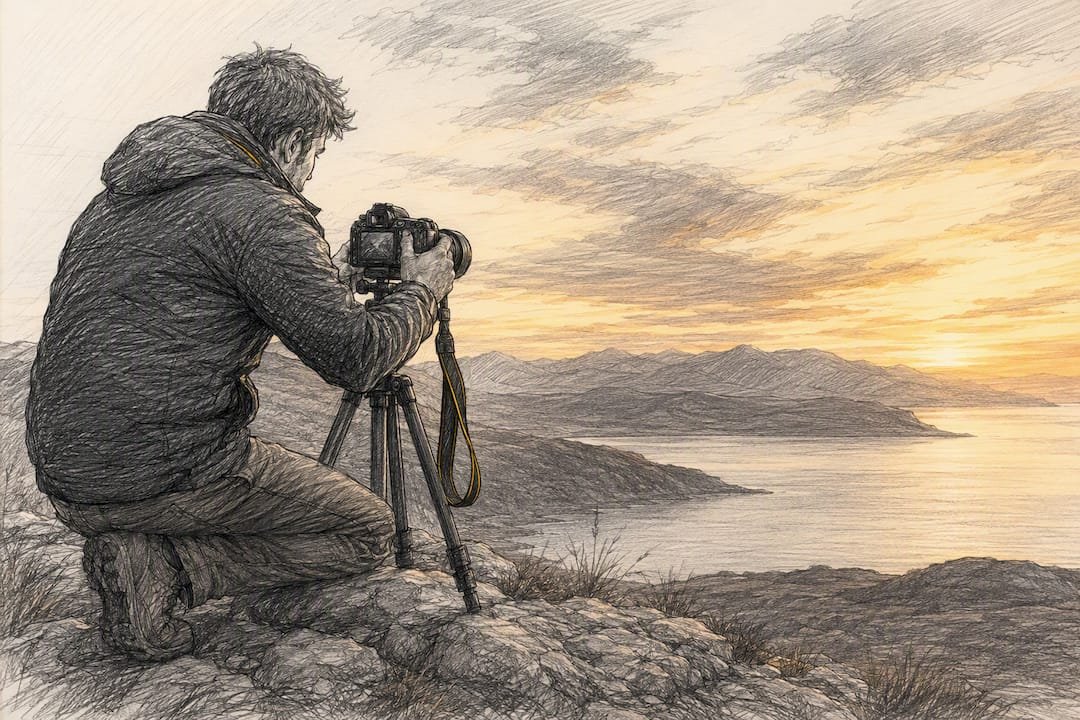
Midsummer gives you daylight past 10pm this far north, which is worth exploiting for evening photography at Applecross or Durness when the crowds have thinned. July and August also bring the heaviest traffic and busiest car parks at the big-name stops, so an early start beats the coach groups to Corrieshalloch Gorge and Smoo Cave alike.
Getting to Inverness and choosing your direction
Most travellers fly into Inverness Airport, which has direct connections from several UK and a handful of European cities, or take the train via the Highland Main Line from Edinburgh or Glasgow, roughly three to three and a half hours either way. Driving up from further south in England adds a full day, so factor that into your total trip length rather than treating day one as day one of the NC500 itself.
Direction matters more than most first-timers expect.
- Clockwise (west coast first) puts the sun behind you for most of the dramatic coastal driving in the afternoon, which suits photographers chasing evening light on Applecross and Torridon.
- Anticlockwise (north coast first) front-loads the flatter, faster driving and saves the technical, scenic west coast for when you’re more confident on single-track roads.
- Neither direction is objectively better. Pick clockwise if photography is a priority, anticlockwise if you’d rather ease into single-track driving gradually.
May, June and September tend to offer the best balance of decent weather, long daylight and lower midge activity. July and August are warmer but bring midges in force around dusk in sheltered glens, plus the thickest tourist traffic. Winter and early spring cut daylight to under eight hours and can close some minor roads after snow, which squeezes an already tight three-day plan even tighter.
Ferry timetables matter if your route includes a crossing, and several small operators reduce sailings or visitor centre hours outside peak season, so check current seasonal service details before locking in a day-by-day plan. If self-driving flexibility is the main draw for you over a fixed coach tour, it’s worth reading why driving the NC500 yourself beats joining a group for this particular route.
How to drive the single-track roads safely
Large stretches of the NC500 are single-track with passing places, and official guidance is blunt about what that means for your daily plan: allow more time than a map app suggests, and never treat the route as a race.
- Use passing places correctly. Pull into a passing place on your left to let oncoming traffic through, or wait opposite one if the oncoming car reaches it first, and never park in one, since passing places exist for traffic flow, not photo stops.
- Let faster traffic past. If a car behind you is closing the gap, pull into the next passing place and wave them through rather than speeding up to stay ahead.
- Watch for sheep, deer and cyclists. Livestock wander onto the road with no warning, especially around dawn and dusk, and cyclists tackling the NC500 also rely on passing places, so slow down well before you reach one.
- Adjust speed for the conditions, not the limit. Rain, low sun glare and sudden mist are common on the west coast passes, and Police Scotland’s own guidance urges visitors to modify their driving to match conditions rather than the posted limit.
- Build in a buffer. Add at least 25% to any drive time estimate a map gives you for single-track sections.
Official route guidance notes that average free-flow speeds on much of the NC500 sit well below national limits once you account for single-track sections, tourist traffic and livestock. That single fact should reset expectations for anyone plotting an ambitious three-day dash.
If something does go wrong, mobile signal is patchy across long stretches of the west and north coast. Note the nearest village before you lose signal, carry a paper map as backup, and dial 999 for emergencies or 101 for non-urgent police matters once you regain coverage. Police Scotland’s road policing units patrol the route actively during peak season, and their presence is part of a deliberate push to keep visitor driving standards in check.
Where to stay: hotels, B&Bs, campsites and motorhomes
Accommodation along the NC500 splits into a few clear categories, and which one suits you often comes down to how much flexibility you want to trade for comfort.
- Hotels and inns. Concentrated in Ullapool, Applecross, Durness and John O’Groats, these book out first in peak season, so reserve two to three months ahead for July and August.
- B&Bs and guest houses. The backbone of NC500 accommodation in smaller villages, often with just two or three rooms, meaning early booking matters even more than for larger hotels.
- Campsites. Range from basic croft fields to fuller facility sites near Ullapool and Durness, and quieter options often exist just off the main route if you contact hosts directly rather than booking through a listing site.
- Motorhomes and campervans. Popular but require extra care. Chemical waste disposal should only happen at designated points, not laybys, and reversing a large vehicle on single-track roads needs a spotter wherever possible.
- Wild camping. Legal under the Scottish Outdoor Access Code for small tents in most unenclosed land, but the code draws a firm line around motorhomes and campervans, which are asked to use official sites or designated areas rather than wild camping in a vehicle.
For self-catering stays, a guide to choosing holiday homes covers what to check before booking, useful if you’re mixing hotel nights with a few self-catering cottages along the route. Whichever mix you choose, contact smaller hosts directly by phone or email in shoulder season. Many aren’t listed on major booking platforms and will hold a room for a genuine enquiry.
Budgeting for your north coast 500 trip
Costs swing hard depending on how you travel, and fuel is the one expense every traveller shares regardless of budget tier.
- Backpacker (camping, self-catering): roughly £50 to £70 per person per day, covering a campsite pitch, groceries and the odd café stop.
- Mid-range (B&Bs, occasional restaurant meals): roughly £100 to £150 per person per day, the band most NC500 travellers land in.
- Comfortable (hotels, restaurant dinners most nights): £180 and upwards per person per day, especially in peak season when hotel rates climb.
Fuel costs depend on your vehicle, but as a rough guide, a standard petrol car doing 40 to 45 miles per gallon over the full 516-mile loop burns through roughly £90 to £110 in fuel alone, more for larger motorhomes or 4x4s. Expect the sharpest price spikes around peak-season accommodation in July and August, and on any ferry crossing you factor into your route, since small-operator fares can rise with demand.
Cutting costs without cutting the trip short usually means self-catering a few nights rather than eating out every evening, travelling in May, June or September instead of peak summer, and booking accommodation the moment your dates are fixed rather than waiting to see how the week unfolds.
Mapping and navigation tools for the NC500
Standard sat-nav apps handle the main NC500 loop fine, but they routinely underestimate single-track driving time and occasionally suggest shortcuts down unsuitable farm tracks. Cross-check any route against the official NC500 map before you rely on it blindly.
- Download offline maps for the whole route before leaving Inverness. Google Maps and OS Maps both allow offline downloads, which matter given how patchy signal gets on the west and north coasts.
- Pin each day’s stops in your maps app the night before, then share the pinned list with whoever else is driving so nobody’s fumbling with a phone at a junction.
- Carry a paper map as backup. It sounds old-fashioned until your phone dies on day four with no signal to recharge your confidence.
- Print a simple daily checklist: today’s mileage, fuel stations passed, primary stop, alternative stop, and estimated arrival time. It takes five minutes each evening and saves real stress on the road.
What to pack and how to pace each day
Weather on the NC500 changes fast, sometimes within the same afternoon, so pack for four seasons regardless of when you travel.
- Clothing: waterproof jacket and trousers, warm layers even in summer, sturdy walking boots, and midge repellent from May through September.
- Electronics: a car phone mount, a portable power bank, offline maps downloaded in advance, and a torch for early starts or late arrivals in winter.
- Practical extras: a paper map, basic first aid kit, and a cool bag if you’re self-catering any meals.
For pacing, a workable rule of thumb is: cap actual driving at four hours on any day you also want to sightsee, add a 20 to 30 minute buffer per hour of single-track driving, and allow at least two proper stops of 30 minutes or more for photos and legs. If a day is running long, it’s almost always better to cut the last stop than to rush the drive.
Days can be swapped fairly freely on the NC500 as long as your accommodation bookings allow it, so if Durness is glorious and sunny on arrival, staying an extra half-day and compressing the next leg rarely costs you a major highlight.
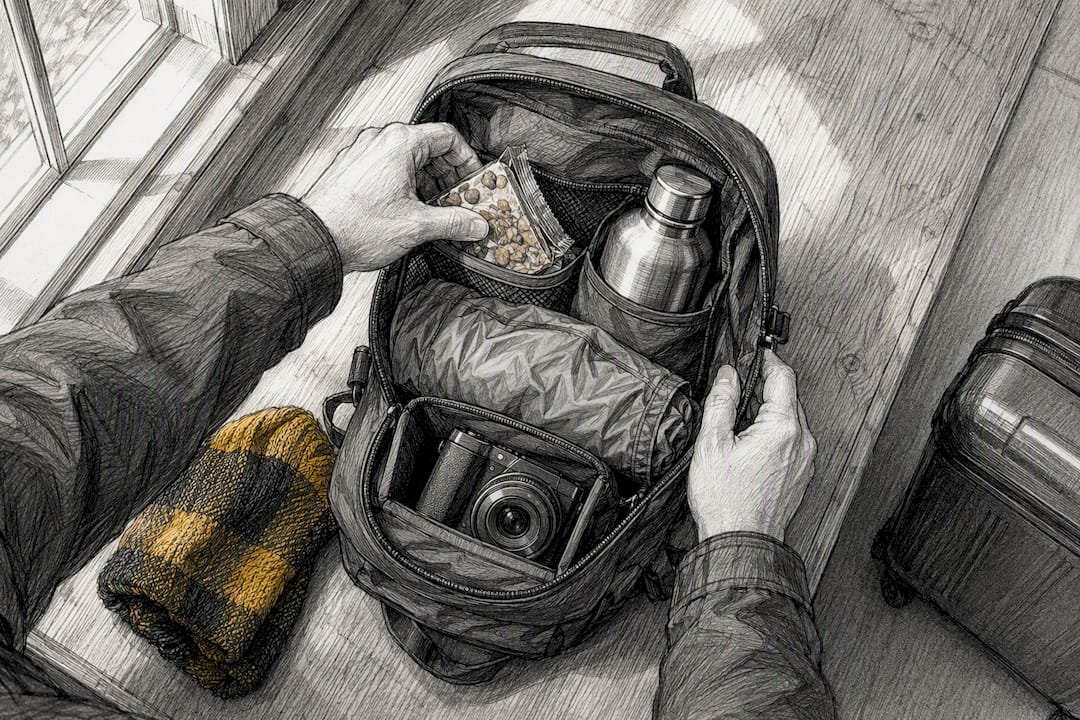
Pro Tip: Pack a day bag separately from your main luggage, stocked with snacks, water, waterproofs and the camera. Digging through a full suitcase at a roadside viewpoint burns ten minutes you didn’t plan to lose, every single stop.
Why expert planning still helps on a self-drive trip
Even with a solid itinerary in hand, matching daily mileage to your own pace, booking scarce rooms in tiny villages, and knowing which detour is worth the extra hour takes local knowledge most first-time visitors simply don’t have. BTOURS specialises in personalised self-drive itineraries across Scotland, England, Wales, Ireland and Greece, and holds membership of the Adventure Travel Trade Association, a marker of its commitment to responsible, well-run adventure travel.
In practice, that means handpicked stays chosen for location and character rather than convenience, pacing built around realistic drive times rather than optimistic map estimates, and support on hand if something goes wrong roadside.
Let BTOURS plan your NC500 while you focus on driving it
Planning an NC500 itinerary from scratch means juggling accommodation availability, realistic mileage, and dozens of “should we stop here” decisions before you’ve even left home. Some services offer personalised routes, pre-booked accommodation matched to your pace, and support if plans need to shift mid-trip.

What you receive is a day-by-day plan built around how you actually want to travel, whether that’s a fast three-day loop or a relaxed seven-day version with room to linger in Applecross. Handpicked stays replace the scramble to find a room in Durness in August, and pacing is worked out in advance rather than guessed at on the fly. If a road closes or the weather turns, you’ve got support rather than a blank map. Have a look at what to check before booking a self-drive tour package and get in touch to start mapping your own route.
One lesson from the road worth remembering
The travellers who enjoy the NC500 most aren’t the ones who see every listed stop. They’re the ones who skip something planned because a passing place conversation with a local pointed them somewhere better, or because the light over Applecross that evening was worth staying an extra hour for. Build a plan, then hold it loosely.
— Theo
Sources
- North Coast 500 | VisitScotland
- Road Safety – North Coast 500
- Police Scotland issue advice for those travelling on the NC500. — Police Scotland Safety Cameras