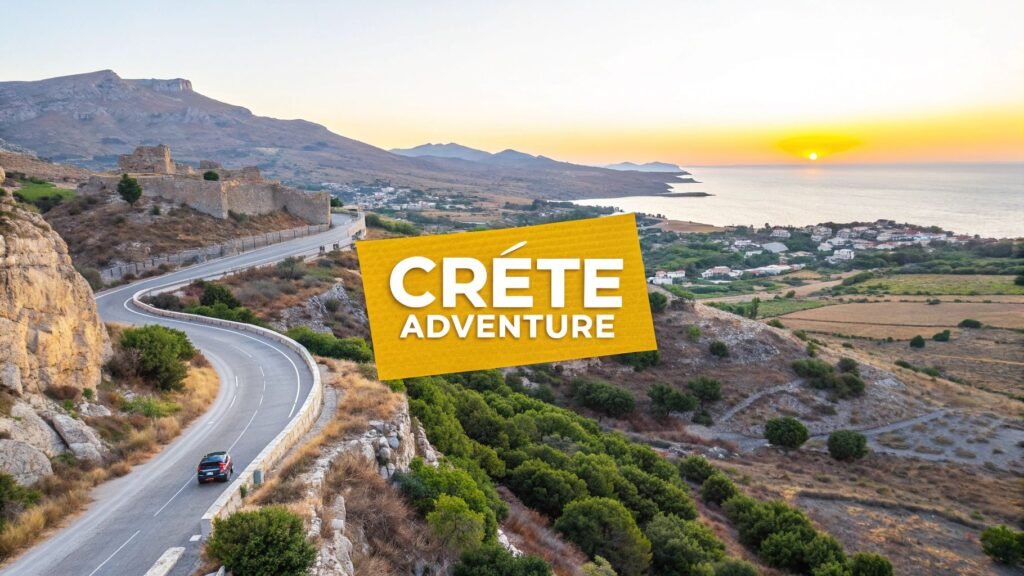
Welcome to Crete, an island where myths are etched into mountainsides and ancient history whispers from every olive grove. More than just a sun-soaked paradise, Crete is a land of dramatic contrasts, from the snow-capped peaks of the White Mountains to the sun-drenched pink sands of Elafonissi. It is a destination that rewards the curious traveller, offering a tapestry of experiences far richer than a simple beach holiday. This comprehensive guide is designed to be your compass for a deeper, more meaningful exploration, focusing on the freedom of a self-drive adventure that allows you to connect with the island’s authentic soul.
We'll steer you beyond the obvious, revealing how to immerse yourself in Crete’s diverse landscapes and culture, region by region. This isn't just a list; it’s a blueprint for your personal odyssey. You'll discover how to navigate the legendary ruins of Knossos, trek through the epic Samaria Gorge, and wander the timeless Venetian harbours of Chania and Rethymno. As you map out your Cretan journey, consider how to integrate principles of low-impact island travel in the Mediterranean to help preserve its extraordinary natural beauty for generations to come.
Whether you're a history enthusiast eager to walk in the footsteps of Minoan kings, a nature lover ready to hike dramatic canyons, or a cultural explorer seeking the flavour of local wineries and mountain villages, this guide provides the actionable insights you need. Prepare to uncover the most unforgettable things to do in Crete, all at your own pace. The open road isn't just a route; it's the beginning of your own Cretan legend.
1. Knossos Palace – Europe's Oldest Civilization
Step back in time to the dawn of European civilisation at the Palace of Knossos, the vibrant epicentre of the mysterious Minoan culture. Just a short drive from Heraklion, this sprawling Bronze Age complex is one of the most essential things to do in Crete, offering a tangible connection to a society that flourished over 4,000 years ago. As you wander through its multi-storeyed ruins, you are not just exploring an archaeological site; you are walking the same paths as the legendary King Minos.
The palace is renowned for its vivid, partially reconstructed frescoes, including the iconic "Bull-Leaping" and "Prince of the Lilies" masterpieces, which offer a glimpse into the sophisticated artistry and rituals of Minoan life. The innovative architecture, featuring light-wells, advanced drainage systems, and grand courtyards, reveals an astonishing level of engineering prowess for its time. Its historical significance is immense; as a model for archaeological preservation, its management practices have influenced sites across the Mediterranean, and it has been prominently featured in historical documentaries by the BBC and other international broadcasters.
How to Make Your Visit Unforgettable
To truly appreciate the labyrinthine layout and rich history, consider these practical tips:
- Beat the Crowds and Heat: Arrive when the gates open around 8:30 AM. This allows you to explore the most famous areas, like the Throne Room and the Queen's Megaron, in relative peace and cooler morning temperatures.
- Invest in a Guide: While you can explore independently, hiring a licensed guide (typically around €50-€80 for a small group) transforms the experience. They breathe life into the stones, explaining the myths and historical context that signs alone cannot convey.
- Context is Key: For a richer understanding, visit the Heraklion Archaeological Museum first. Seeing the original frescoes and artefacts, like the enigmatic Snake Goddess figurines, provides crucial context before you see where they were discovered.
- Come Prepared: Wear comfortable, sturdy walking shoes as the terrain is uneven. A hat, sunscreen, and plenty of water are non-negotiable, especially during the summer months. Plan for at least 2-3 hours to do the site justice.
Exploring Knossos is more than a sightseeing stop; it's an imaginative journey. Documenting your visit can help preserve these powerful memories, and a beautiful album, such as a fine art photo album, is the perfect way to treasure the stunning visuals and profound history you’ll encounter.
2. Samaria Gorge & Other Cretan Gorges – Canyon Treks and Alternatives
Venture into the dramatic heart of Crete by hiking one of its world-renowned gorges, a quintessential activity for any nature lover. The mighty Samaria Gorge, a UNESCO Biosphere Reserve, is the most famous of these natural wonders, offering a challenging 16-kilometre trek from the White Mountains down to the Libyan Sea. This epic walk is one of the most rewarding things to do in Crete, taking you through breathtaking landscapes, from ancient cypress forests to the narrow canyon walls of the "Iron Gates".
The island's diverse terrain means there are numerous alternatives to the famous Samaria trek, often featured in publications like National Geographic's 'World's Best Hikes'. The Imbros Gorge provides a shorter, more accessible 8-kilometre route that still delivers spectacular scenery, making it a popular and less crowded option. For those seeking even quieter paths, gorges like Kotsifou or Kakodiki offer unique, off-the-beaten-path experiences. Hiking these canyons connects you directly to Crete's raw, untamed beauty.
How to Make Your Visit Unforgettable
To ensure a safe and memorable canyoning adventure, careful planning is essential:
- An Early Start is Crucial: For Samaria, aim to begin your hike between 6:00 and 7:00 AM. This helps you avoid the midday sun and the largest crowds, allowing you to finish before the afternoon heat intensifies.
- Gear Up Properly: The rocky, uneven terrain demands sturdy footwear. A pair of waterproof hiking boots with good ankle support is non-negotiable for comfort and safety.
- Stay Hydrated and Protected: Carry at least 2.5-3 litres of water per person, especially for longer hikes. High-SPF sunscreen, a wide-brimmed hat, and light, layered clothing are also vital to protect you from the elements.
- Plan Your Logistics: The Samaria Gorge is a one-way trek ending in Agia Roumeli. You must book a ferry ticket from there to a nearby town and a bus back to your starting point in advance, particularly during peak season.
- Explore with a Guide: For lesser-known routes, hiring a local guide (around €30-€50) can enhance safety and provide fascinating insights into the local flora, fauna, and geology.
3. Venetian Fortress of Rethymno (Fortezza) – Medieval Coastal Heritage
Stand guard over the centuries at the magnificent Fortezza of Rethymno, a colossal Venetian fortress that crowns the city’s historic old town. This 16th-century stronghold, built to protect against Ottoman pirate raids, is one of the most commanding things to do in Crete, offering a journey through layers of military history and breathtaking panoramic views of the Aegean Sea. As you cross its grand entrance gate and walk along the massive bastions, you are treading on ground that witnessed the clash of empires.
The fortress is renowned for its immense scale and preserved star-shaped design, a masterpiece of Venetian military architecture. Inside its formidable walls, you can explore the ruins of barracks, the Governor's residence, and the impressive Sultan Ibrahim Han Mosque, which was originally the Venetian Cathedral of Saint Nicolo. Its historical significance is profound; meticulously maintained by the Greek Ministry of Culture, the Fortezza serves as a model for fortress preservation across Crete and is frequently featured in historical documentaries examining Venetian influence in the Mediterranean.
How to Make Your Visit Unforgettable
To fully absorb the atmosphere and strategic importance of this coastal giant, consider these practical tips:
- Chase the Golden Hour: Visit in the late afternoon, around 4-5 PM. This allows you to explore in softer light, which is perfect for photography, and experience a spectacular sunset over the sea while avoiding the midday heat and crowds.
- Combine with the Old Town: The Fortezza is seamlessly connected to Rethymno’s charming old town. Dedicate time before or after your visit to wander through the labyrinthine streets, discovering hidden courtyards and Venetian-era mansions just a 15-minute walk away.
- Wear Appropriate Footwear: The fortress grounds consist of large, uneven stone pathways and grassy areas. Comfortable walking shoes with good grip are essential for safely navigating the bastions and exploring the various structures.
- Stay Prepared: Facilities within the fortress are limited. Be sure to bring a hat, sunscreen, and a bottle of water, especially during the warmer months. Allow at least 1.5 to 2 hours to explore the site without rushing and check opening hours in advance, as they can vary seasonally.
A visit to the Fortezza is an evocative step into a turbulent past. Capturing the sweeping vistas and ancient stones helps to cement the experience, and a beautifully curated fine art photo album offers a timeless way to preserve the memories of this monumental piece of Cretan heritage.
4. Matala Beach & Ancient Caves – Mythological History Meets Counterculture
Discover a place where ancient myths, Roman history, and 1960s counterculture converge on a stunning sandy shore. Matala Beach, nestled on Crete's southern coast, is famed for the magnificent sandstone cliffs that curve around its bay, honeycombed with man-made caves. Originally Roman or early Christian tombs, these caverns later became a haven for a generation of hippies in the 60s and 70s, including Joni Mitchell, who immortalised the experience in her song "Carey". This unique blend of archaeology and bohemian history makes it one of the most intriguing things to do in Crete.
Today, Matala offers a vibrant, laid-back atmosphere where you can explore ancient history in the morning and relax by the turquoise Libyan Sea in the afternoon. The site's cultural significance is celebrated annually at the Matala Beach Festival, an international music event that draws crowds from across the globe. Its unique story has also been captured in numerous travel documentaries exploring the legacy of the hippie movement, cementing its status as a must-visit cultural landmark.
How to Make Your Visit Unforgettable
To fully embrace the unique spirit of Matala, keep these practical tips in mind:
- Time Your Visit Wisely: Visit in late spring (May) or early autumn (September) for ideal weather, warm sea temperatures, and fewer crowds. Arrive early in the morning to explore the caves with the best light and more solitude.
- Combine History with Leisure: Pack your swimming gear. The caves are right on the beach, allowing you to easily combine a fascinating archaeological exploration with a refreshing swim. Good quality diving socks can be useful for exploring the rocky seabeds.
- Explore the Wider Area: Matala is just a 30-minute drive from the Minoan Palace of Phaistos. Visiting both sites offers a comprehensive journey through the region's ancient history, from the Bronze Age to the Roman era.
- Savour Local Flavours: The village behind the beach is filled with charming tavernas. Take a break to enjoy fresh seafood caught that day while soaking in the views of the caves and the sea.
- Respect the Heritage: The caves are a protected archaeological site. Please admire them without climbing on the fragile sandstone structures or touching the ancient carvings to help preserve them for future visitors.
5. Plakias & Southern Coastal Villages – Hidden Gem Exploration
Escape the northern crowds and discover the soul of authentic Crete along its stunning southern coast, centred around the welcoming village of Plakias. This region, encompassing gems like Damnoni, Mirthios, and the unspoiled coast towards Preveli, offers a more rugged, tranquil, and adventurous alternative for travellers. As you navigate the dramatic roads winding through gorges and opening to breathtaking sea views, you are not just finding a destination; you are uncovering a way of life that remains deeply connected to the land and the Libyan Sea.
The area is celebrated for its collection of pristine, diverse beaches, from the long, sandy crescent of Plakias Bay to the secluded, turquoise coves of Damnoni and Ammoudi. It’s an essential part of any Cretan road trip for those seeking authenticity over all-inclusive resorts. Regularly lauded in travel guides like Lonely Planet for its ‘Best Hidden Beaches’, this coastline has become a haven for independent European travellers and those pursuing sustainable tourism, offering a glimpse into a less-developed yet profoundly beautiful side of the island.
How to Make Your Visit Unforgettable
To truly immerse yourself in the wild beauty and relaxed pace of the south, consider these practical tips:
- Establish a Base: Settle in for at least 2-3 nights in Plakias or the hillside village of Mirthios, which offers spectacular panoramic views. This provides the perfect springboard for exploring the surrounding coastline and inland villages.
- Rent a Suitable Vehicle: A car with good clearance and comfortable suspension is highly recommended for navigating the winding coastal and mountain roads. This gives you the freedom to discover hidden coves and traditional hamlets at your own pace.
- Explore Beyond the Coast: Drive inland to traditional villages like Sellia and Lefkogia. Here, you can experience authentic mountain culture and enjoy meals at family-run tavernas where recipes have been passed down for generations.
- Plan Your Supplies: While Plakias has small supermarkets, it’s wise to stock up on any specific necessities in a larger town like Rethymno before heading south, as shops in the smaller villages have limited selections.
Exploring the south coast is an invitation to slow down and connect with Crete’s untamed nature. Preserving these memories of dramatic landscapes and golden sunsets can be deeply rewarding, and a thoughtfully curated fine art photo album is the ideal way to cherish the raw beauty and peaceful moments of your southern adventure.
6. Phaistos Palace Archaeological Site – Minoan Royal Seat
Discover a more serene yet equally profound Minoan wonder at the Palace of Phaistos, majestically perched on a ridge overlooking the vast, fertile Messara Plain. As the second-largest Minoan palace, this powerful royal seat offers a more authentic archaeological experience than Knossos, allowing you to connect with ancient Crete in a quieter, less-crowded atmosphere. Walking through its grand courtyards and up the magnificent stone staircase, you are tracing the footsteps of a powerful Minoan dynasty that thrived nearly 4,000 years ago.
Phaistos is celebrated for its stunning panoramic setting and its architectural perfection, featuring a grand propylon, sacred basins, and meticulously crafted storerooms. While less reconstructed than Knossos, its well-preserved ruins provide a clearer picture of the original palace structure. Its historical importance is monumental; it is where the enigmatic Phaistos Disc, a clay disc covered in a unique hieroglyphic script, was unearthed, and it continues to be a key site for understanding Minoan civilisation, frequently featured in academic publications and archaeological documentaries.
How to Make Your Visit Unforgettable
To fully immerse yourself in the ambience and history of Phaistos, consider these practical suggestions:
- Visit in the Morning: Arrive between 8:00 AM and 10:00 AM. The early morning light beautifully illuminates the ruins against the Messara Plain, and you’ll enjoy cooler, more comfortable temperatures for exploring.
- Combine with Matala: Phaistos is perfectly positioned for a full-day excursion. After exploring the palace, take a 30-minute drive to the legendary Matala Beach, famous for its Roman-era caves carved into the cliffs.
- Plan Your Learning: While signs provide basic information, the experience is enhanced with deeper context. Consider hiring a licensed guide on-site (around €40-€60) or downloading a detailed digital guidebook before you go.
- See the Masterpieces: To complete the story, plan a visit to the Heraklion Archaeological Museum either before or after your trip. There, you can see the original Phaistos Disc and other incredible artefacts discovered at the site.
- Stay Prepared: The site is exposed with limited facilities. Sturdy walking shoes are essential for the uneven archaeological terrain. Be sure to bring a hat, sun cream, and plenty of water and snacks.
Visiting Phaistos is an invitation to quiet contemplation and historical discovery. Capturing the sweeping landscapes and ancient stones in photographs is a wonderful way to remember the experience, and a specially curated fine art photo album can beautifully preserve the unique atmosphere and profound history of this exceptional site.
7. Chania Old Town & Venetian Harbour – Medieval Maritime Heritage
Step into a living postcard at Chania’s Old Town and Venetian Harbour, where centuries of history blend seamlessly with the vibrant rhythm of modern Cretan life. This perfectly preserved medieval quarter, with its iconic Egyptian lighthouse and waterfront arsenals, is a labyrinth of narrow, flower-draped alleyways waiting to be explored. As you wander, the architectural tapestry tells a story of Venetian, Ottoman, and local influences, creating one of the most atmospheric and essential things to do in Crete.
The area is celebrated in travel publications as one of the best Mediterranean harbour towns and serves as a model for heritage preservation within a bustling community. Its romantic aesthetic and rich history have been the subject of countless photography books and documentaries, cementing its status as a jewel of the Aegean. Walking through its compact centre, you are not just a tourist; you are an active participant in a scene that has captivated travellers, artists, and historians for generations.
How to Make Your Visit Unforgettable
To fully immerse yourself in the charm of Chania's historic core, follow these practical tips:
- Arrive Early for Authentic Atmosphere: Explore between 7 AM and 9 AM to experience the city as it wakes. You’ll witness local life unfold, enjoy the soft morning light for photography, and wander the most popular streets before the daytime crowds and heat arrive.
- Wander Beyond the Harbourfront: While the harbour is stunning, the real magic lies in the backstreets of the Splantzia and Topanas quarters. Here, you'll discover hidden courtyards, authentic family-run tavernas offering superior food, and local artisans at work, far from the tourist-focused restaurants.
- Smart Parking and Exploration: The Old Town is a pedestrian-friendly zone. Park in one of the paid car parks just outside the historic walls (typically €1-2 per hour) and venture in on foot. Allow a minimum of 3-4 hours to explore without rushing.
- Embrace the Evening Glow: A walk along the harbour after 7 PM is a completely different experience. The lighthouse and buildings are beautifully illuminated, the air is cooler, and the waterfront comes alive with a gentle, sophisticated buzz. It’s the perfect end to a day of discovery.
Exploring Chania is an invitation to slow down and savour the details. Preserving the memory of its sun-drenched alleys and historic facades in a collection, such as a fine art photo album, allows you to revisit the unique character and timeless beauty of this medieval maritime treasure.
8. Lasithi Plateau & Traditional Villages – Highland Cultural Immersion
Escape the coastal bustle and ascend to the Lasithi Plateau, a fertile expanse nestled 840 metres high within the Dikti Mountains. This journey into Crete’s agricultural heartland is one of the most rewarding things to do in Crete for a glimpse of authentic rural life. As you navigate the scenic mountain roads, you are rewarded with a panorama of whitewashed villages, historic stone windmills, and a serene landscape that has sustained Cretan culture for centuries. This is not just a drive; it is an immersion into a slower, more traditional way of living.
The plateau is renowned for its rich agricultural heritage and its connection to Greek mythology, with the nearby Dictean Cave famed as the birthplace of Zeus. Its unique microclimate and traditional farming methods have been the focus of heritage preservation studies and documentaries on Cretan mountain life, showcasing a culture deeply connected to the land. Exploring villages like Tzermiado and Agios Georgios offers a tangible sense of this enduring legacy, revealing a side of Crete that remains beautifully untouched by mass tourism.
How to Make Your Visit Unforgettable
To truly appreciate the highland culture and breathtaking scenery, consider these practical tips:
- Embrace an Early Start: Begin your journey in the morning to allow ample time for the winding mountain roads and to arrive before the afternoon. This also gives you the chance to visit a local cooperative cheese factory, which typically closes by early afternoon.
- Drive with Care: The switchback roads are spectacular but demand your full attention. Drive slowly, use designated pull-offs to admire the views, and focus on the road while the vehicle is in motion.
- Layer Up for the Altitude: Mountain temperatures are significantly cooler than on the coast, even in summer. Bring layers of clothing, including a jacket or fleece, to stay comfortable as you explore.
- Combine Myth with Scenery: A visit to the Dictean Cave is a must. The short, steep hike to the entrance is rewarded with a stunning geological wonder steeped in mythology, adding a profound historical layer to your highland adventure.
- Plan Your Meals: While the plateau has fantastic traditional tavernas, it’s wise to book a table in advance during peak season to guarantee a spot. For an even deeper experience, consider an overnight stay in a village to witness the tranquil evening atmosphere.
Documenting your journey through this timeless landscape helps capture its unique spirit. Preserving these memories in a high-quality keepsake, like a fine art photo album, allows you to revisit the profound beauty and authentic culture of the Cretan highlands for years to come.
9. Elafonissi Beach & Peninsula – Unique Pink Sand Paradise
Escape to a corner of Crete that feels like it has been lifted from the shores of the Caribbean. Elafonissi Beach, a protected nature reserve on the island's remote southwestern tip, is one of the most breathtaking things to do in Crete, renowned for its extraordinary pink-hued sands and crystalline turquoise lagoons. The magical colour comes from millions of crushed Foraminifera seashells, which wash ashore and mix with the fine white sand, creating a spectacle that changes with the tides and the light.
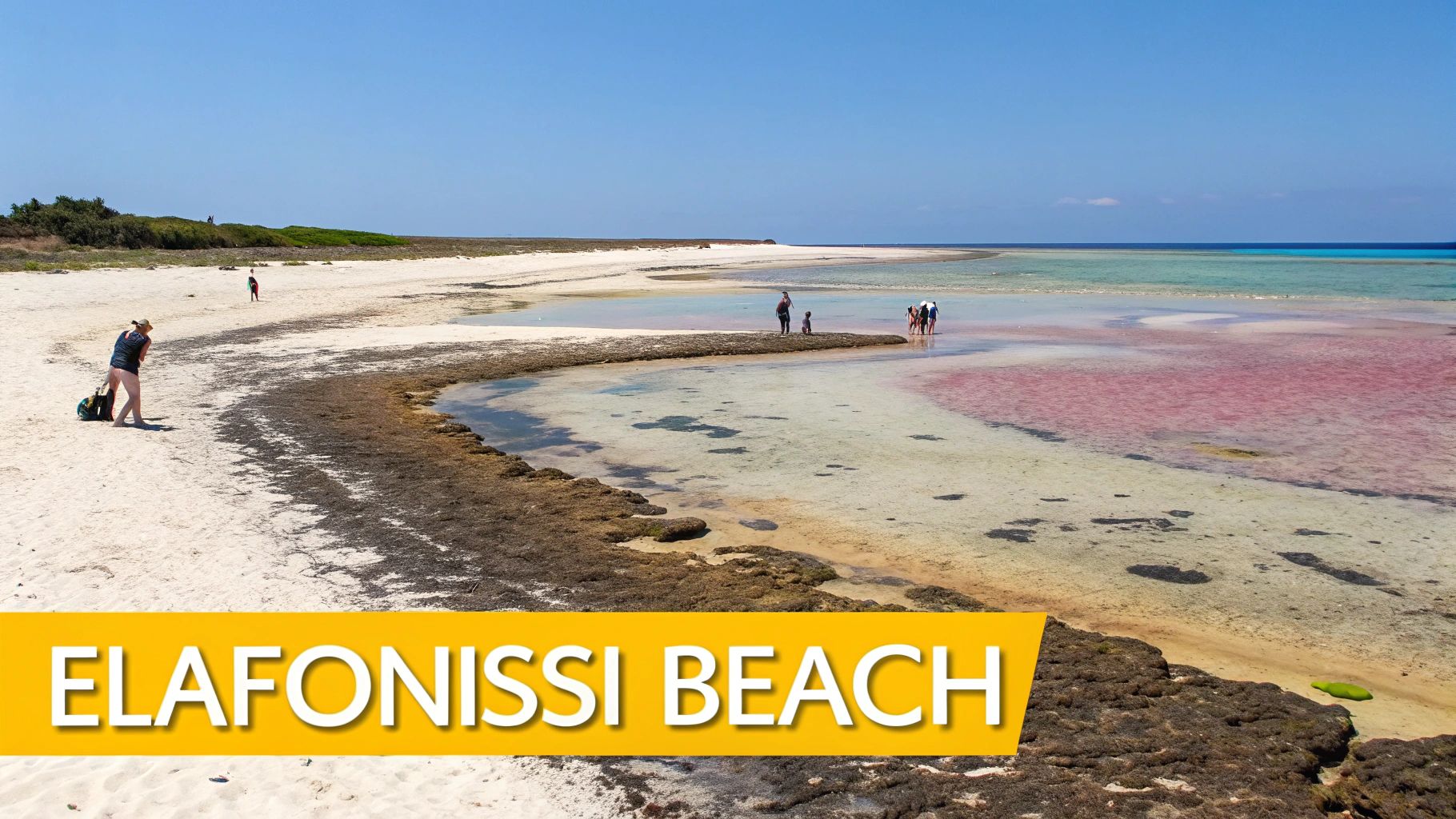
This is more than just a beach; it's a unique ecosystem. A shallow, warm-water sandbar connects the mainland to a small islet, which you can easily wade across to explore more secluded coves and dunes covered in rare sea daffodils. Featured in countless international travel magazines as one of the 'World's Most Beautiful Beaches', its surreal beauty makes it a paradise for photographers and nature lovers alike. The drive itself, though long, is a stunning journey through Crete's rugged interior, making the arrival feel like discovering a hidden treasure.
How to Make Your Visit Unforgettable
To make the most of this natural wonder, careful planning is essential:
- Arrive Early for Paradise: Aim to get here between 8:00 AM and 9:00 AM. This not only secures you a prime spot on the sand but also guarantees parking and allows you to enjoy the magical colours in the soft morning light before the crowds arrive.
- Be Self-Sufficient: While there are a few seasonal cantinas, facilities are limited. Pack a picnic with plenty of snacks and water, and bring your own umbrella for shade.
- Protect Your Feet and Skin: Reef shoes or water sandals are highly recommended for walking on the sand, which can be coarse with shell fragments. The reflection off the white and pink sand intensifies the sun, so high-SPF sunscreen is an absolute must.
- Plan Your Journey: The drive from Chania can take up to two hours each way. Factor in at least 4-5 hours of travel time and consider visiting in May, June, September, or October to avoid the peak season rush of July and August.
A day at Elafonissi is an immersion in pure, unfiltered nature. Capturing its unique colours and serene atmosphere is a must, and a specially designed travel photo book can beautifully chronicle this unforgettable experience, preserving the memory of its pink sands and turquoise waters for years to come.
10. Cretan Wine Regions & Wineries – Vineyard Heritage Experience
Delve into Crete's extraordinary 4,000-year winemaking legacy, a journey that uncorks the island's soul through its native grapes and passionate vintners. Exploring the wine regions of Heraklion and Lasithi is one of the most rewarding things to do in Crete, offering an authentic taste of a tradition that has shaped the local culture for millennia. As you meander along scenic self-drive routes, you'll discover that Cretan wine is not just a beverage; it’s a story of family, resilience, and the island's unique terroir.
The island’s wine renaissance is driven by family-owned wineries that blend ancient wisdom with modern techniques to cultivate unique indigenous varieties like the crisp white Vidiano and the robust red Kotsifali. Esteemed producers such as the multi-generational Lyrarakis Winery are celebrated for reviving ancient Cretan grapes, while boutique estates like Domaine Economou showcase the incredible potential of the local terroir. These wineries provide an intimate, small-scale tourism experience, far from the commercialised tours found elsewhere, connecting you directly with the people who craft these exceptional wines.
How to Make Your Visit Unforgettable
To fully savour the island's vinicultural treasures, consider these practical tips for your wine-tasting adventure:
- Plan and Book Ahead: Many of Crete's best wineries are small, family-run operations that require advance booking for tours and tastings. Contact them directly or via your accommodation to secure a spot, especially during peak season.
- Pace Your Tastings: To truly appreciate the nuances of each wine and ensure a safe drive, limit your visits to a maximum of two or three wineries per day. This allows ample time to enjoy the experience without feeling rushed.
- Timing is Everything: Aim for morning visits, ideally between 10 AM and 11 AM. The cooler temperatures enhance the tasting experience, and you’ll find the winemakers are often more available to share their stories before the afternoon heat sets in.
- Create a Culinary Pairing: Elevate your tasting by combining it with a meal at a nearby traditional taverna. This is a wonderful way to learn about food and wine pairing, discovering how local dishes complement the distinct flavours of Cretan grapes.
- Support Local Producers: Purchasing wine directly from the winery is the best way to support the local economy and take home a truly unique souvenir. It's a tangible connection to the place and the people you've met.
A wine tour is a celebration of Crete's agricultural heart. Much like its vineyards, the island's olive groves produce world-class products, and understanding the full agricultural picture can enrich your journey. For those interested in Cretan culinary traditions, exploring products like high-quality olive pomace oil offers another layer of local flavour to discover.
Top 10 Crete Activities Comparison
| Site | Accessibility & Effort | Resources & Cost | Expected Experience | Ideal For | Key Advantages |
|---|---|---|---|---|---|
| Knossos Palace – Europe's Oldest Civilization | Easy self-drive access, moderate walking on even paths | Moderate entrance fee (€15+), optional guided tour (€50–80), 2–3 hrs | High-value archaeological interpretation, frescoes, museum, reconstructed areas | History/archaeology enthusiasts, families, self-drive visitors | UNESCO site, on-site museum, close to Heraklion, guided tours available |
| Samaria Gorge & Other Cretan Gorges – Canyon Treks and Alternatives | Variable: Samaria strenuous (5–7 hrs); alternatives shorter; trailhead drives 45–120 min | Low entry fees (free–€5), boat return (€12–15), hiking gear & 2.5–3 L water | Dramatic canyon scenery, long hikes, endemic flora/fauna, remote stretches | Hikers, nature lovers, fit travelers | Spectacular landscapes, multiple route options, less-crowded alternatives |
| Venetian Fortress of Rethymno (Fortezza) – Medieval Coastal Heritage | Easy self-drive, some climbing/uneven steps within fortress | Low entrance fee (€4), 1.5–2 hrs | Fortified architecture, panoramic coastal views, museum exhibits | History buffs, sunset watchers, casual explorers | Well-preserved bastions, informative signage, close to old town |
| Matala Beach & Ancient Caves – Mythological History Meets Counterculture | Easy self-drive, beach-level walking; caves viewed from shore (restricted access) | Free beach access, parking, seasonal crowds; half-day visit typical | Blend of Roman-era caves, beach recreation, lively village atmosphere | Beachgoers with cultural interest, families, counterculture visitors | Unique cliff caves, vibrant village, swimming and festivals |
| Plakias & Southern Coastal Villages – Hidden Gem Exploration | Self-drive required; some narrow/winding roads; low-intensity walking | Affordable lodging/dining, 2–3+ nights recommended | Authentic village life, secluded beaches, relaxed coastal scenery | Travelers seeking authenticity, families, independent explorers | Less crowded, traditional tavernas, varied unspoiled beaches |
| Phaistos Palace Archaeological Site – Minoan Royal Seat | Easy self-drive, moderate walking and stairs on ridge | Reasonable fee (€6), limited on-site facilities, 2–3 hrs | Hilltop Minoan palace, ceremonial architecture, panoramic views | Archaeology enthusiasts preferring quieter sites | Intimate experience, clear interpretation, scenic location |
| Chania Old Town & Venetian Harbour – Medieval Maritime Heritage | Easy to reach; compact walkable area with narrow streets | Free to explore; paid parking nearby; 3–4+ hrs for good visit | Venetian-Ottoman streetscape, harbour promenade, dining & shopping | Culture seekers, photographers, evening strollers | Authentic medieval atmosphere, harbour views, vibrant local life |
| Lasithi Plateau & Traditional Villages – Highland Cultural Immersion | Scenic but winding drives; mild walking within villages | Affordable, daytrip or overnight stays recommended | Mountain villages, agricultural landscapes, traditional cuisine | Cultural immersion seekers, foodies, photographers | Authentic mountain life, local food producers, proximity to mythic sites |
| Elafonissi Beach & Peninsula – Unique Pink Sand Paradise | Remote self-drive (90+ mins), easy beach walking but limited facilities | Minimal on-site services, bring supplies, full-day commitment | Distinctive pink sand, shallow turquoise waters, strong photo appeal | Beach photographers, families, nature lovers | Unique pink sand, shallow waters for swimming, striking coastal scenery |
| Cretan Wine Regions & Wineries – Vineyard Heritage Experience | Dispersed locations; self-drive between estates; bookings advised | Tasting fees variable, designated driver recommended, half- to full-day | Vineyard tours, tastings of indigenous varieties, scenic drives | Wine enthusiasts, foodies, small groups | Native grape varieties, personalized tastings, support for family producers |
Your Cretan Adventure Awaits
Crete is not merely an island you tick off a list; it is a world you step into, a vast and ancient landscape that invites you to write your own story. We have journeyed together through the echoes of Minoan kings at Knossos and Phaistos, trekked the dramatic depths of the Samaria Gorge, and wandered the labyrinthine streets of Chania’s Venetian harbour. From the legendary pink sands of Elafonissi to the rugged, counter-cultural spirit of Matala, the sheer diversity of experiences is staggering. Each destination offers more than just a photograph; it provides a connection to millennia of history, culture, and untamed nature.
The true magic of Crete lies in its contrasts and its boundless potential for personal discovery. One day you might be exploring the medieval might of Rethymno’s Fortezza, the next you could be tasting award-winning wines in a family-run vineyard, or simply finding solitude in a quiet southern coastal village like Plakias. This island rewards the curious and the adventurous, those willing to drive a little further down a winding road just to see where it leads. The list of things to do in Crete is not a rigid itinerary but a collection of starting points for an unforgettable journey.
Weaving Your Personal Cretan Myth
The most profound Cretan experiences are often the ones you don't plan for: the spontaneous conversation with a taverna owner, the scent of wild thyme on a mountain hike, or the discovery of a deserted cove that feels like your own private paradise. The island’s greatest gift is the freedom it offers to explore on your own terms. A self-drive holiday liberates you from the constraints of a group tour, allowing you to linger where you feel most inspired and to follow your curiosity down less-travelled paths.
Key Takeaway: The best way to experience Crete is not by rushing from one famous site to another, but by embracing the journey itself. Allow for spontaneity, get wonderfully lost on mountain roads, and let the island’s rhythm guide your days.
Your Next Steps to Adventure
As you close this guide, the real planning begins. Think about what truly excites you. Are you a history enthusiast drawn to the Minoan palaces, a nature lover eager to hike the gorges, or a cultural explorer looking to connect with local life on the Lasithi Plateau?
Here are some actionable steps to turn your dream trip into a reality:
- Sketch Your Itinerary: Use the regions we've covered as a framework. Decide if you want to focus on the vibrant west, the historic east, or the wild south.
- Consider the Season: Remember that spring offers blooming landscapes and ideal hiking weather, while autumn provides warm seas and the buzz of the harvest.
- Embrace the Drive: A car is your key to unlocking Crete's hidden gems. Pre-booking a vehicle is essential, especially during peak season, to ensure you have the freedom to explore.
- Balance & Pace: Don't try to see everything in one trip. Crete is vast. It is far more rewarding to immerse yourself in one or two regions than to spend your holiday rushing across the island.
Ultimately, your adventure in Crete will be as unique as you are. It’s an island that leaves a permanent mark on the soul, a place of myth, beauty, and profound hospitality that calls visitors back time and time again. The stories are waiting to be discovered, the feasts are ready to be savoured, and the roads are open. Your Cretan adventure truly awaits.
Ready to chart your own course through Crete’s ancient landscapes and sun-drenched shores? BTOURS specialises in crafting bespoke self-drive holidays that give you the freedom to explore with the comfort of expertly planned logistics. Visit BTOURS to discover curated itineraries and start designing the Cretan road trip you’ve always imagined.