England's story isn't just told in its castles and cathedrals; it's whispered over the worn oak of a centuries-old bar and echoes in the laughter of its ancient inns. These establishments are more than just places to enjoy a pint; they are living museums, time capsules where literary giants, revolutionaries, and crusaders once gathered. Forget the soulless chain pubs; we are embarking on a journey to discover the authentic heart of English heritage.
This curated guide unveils 10 of the most remarkable historic pubs in England, each with its own incredible tale etched into its very foundations. To truly appreciate these legendary public houses, it's helpful to understand what gives a place its enduring legacy. Grasping the concept of historical significance reveals why these specific inns are not just old buildings, but vital pieces of the national story. They are places where history wasn't just made, it was lived, debated, and toasted.
For travellers seeking an immersive journey through this rich tapestry, a self-drive tour offers the perfect blend of freedom and discovery. This article is your roadmap, connecting these historical waypoints into an unforgettable adventure. We provide not just the stories, but also the practical details you need: visitor information, nearby attractions, and even sample mini-itineraries. Prepare to step back in time, pint in hand, and explore the very foundations of British culture one legendary pub at a time.
1. Ye Olde Cheshire Cheese – London's Literary Legend (Est. 1667)
Stepping into Ye Olde Cheshire Cheese is like travelling back in time. Tucked away in a narrow alley off Fleet Street, this celebrated London institution was rebuilt in 1667 after the Great Fire and has remained a cornerstone of the capital's literary and journalistic history ever since. Its labyrinthine layout, spread across multiple floors and cellars, features dark wood panelling, crackling fireplaces, and an atmosphere thick with centuries of stories. This is one of the most essential historic pubs in England, a place where history feels tangible.
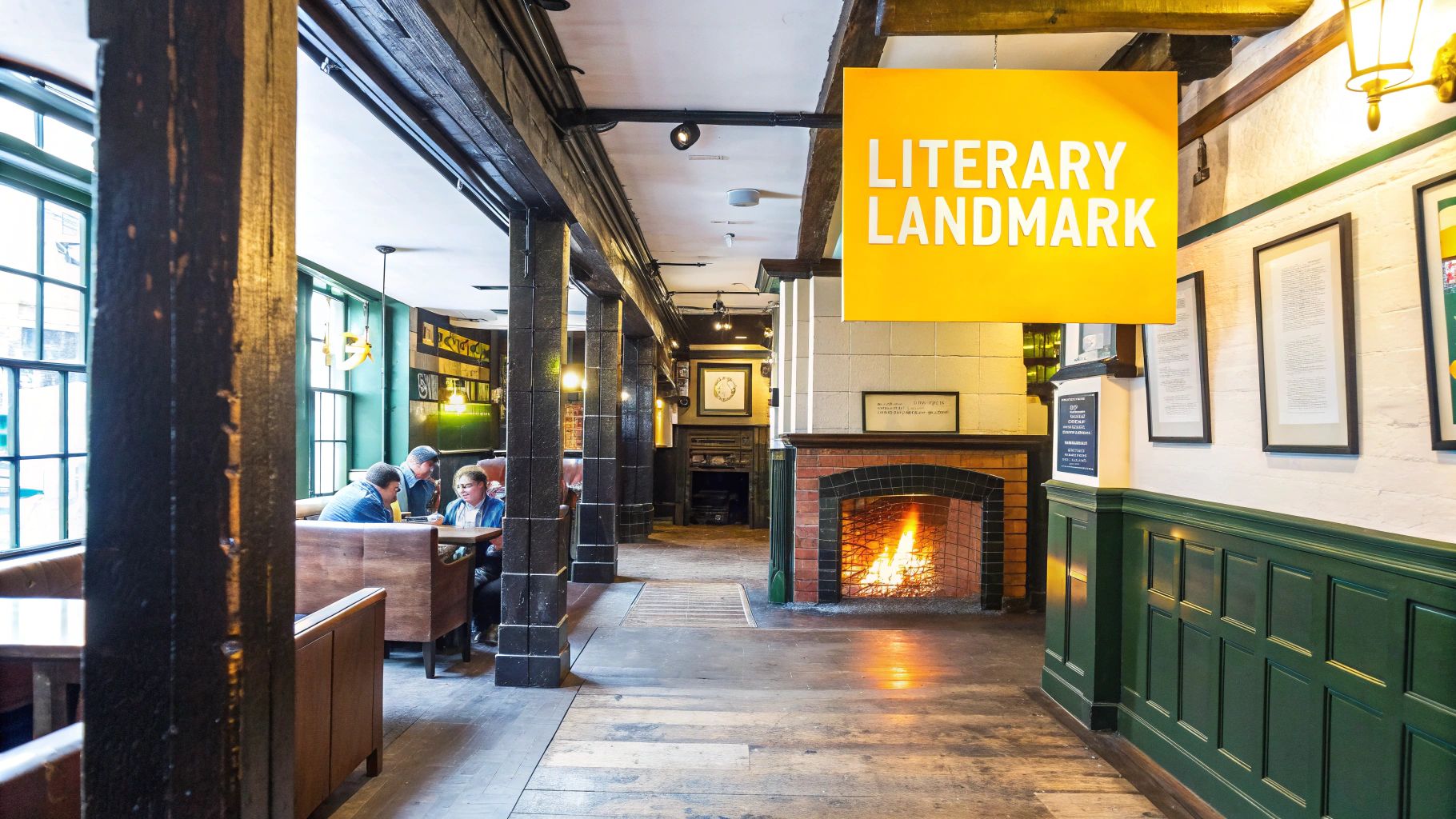
The pub's fame is deeply intertwined with the literary giants who frequented its dimly lit rooms. Patrons like Charles Dickens, Mark Twain, and Dr Samuel Johnson (whose former house is just around the corner) were all regulars. It’s said that Dickens found inspiration for A Tale of Two Cities within these walls. For those looking to explore authentic places to visit in London beyond the typical landmarks, a journey to historic pubs like this offers a unique and immersive perspective.
Visitor's Guide
To fully appreciate this legendary pub, a little planning goes a long way.
- Best Time to Visit: Aim for a weekday afternoon to avoid the evening crowds and truly soak in the historic ambience. The pub becomes very busy with after-work drinkers, making it harder to find a seat.
- What to Try: The pub is operated by the Samuel Smith brewery, so you'll find their traditional ales on tap. For a classic meal, the steak and kidney pie is a comforting and authentic choice.
- Explore Fully: Don't just stay on the ground floor. Venture down to the vaulted cellars, which predate the Great Fire, and up to the various dining rooms. Each level has its own unique character.
- Insider Tip: Strike up a conversation with the bar staff. They often have fascinating stories and historical anecdotes about the pub and its famous patrons that you won't find in any guidebook. You can discover more about its place in the city's history while planning a trip with this guide to exploring London in three days.
2. The Bells of Penhurst – Sussex's Ancient Coaching Inn (Est. 1387)
The Bells of Penhurst offers a journey into the heart of medieval England. Nestled in the idyllic Sussex village of Penshurst, this enchanting pub dates back to 1387, originally serving as a vital coaching inn for weary travellers on ancient trade routes. Its magnificent timber-framed facade and original stone fireplace are a testament to its incredible longevity, creating an atmosphere that feels untouched by time. Recognised by the British Heritage Register, it stands as a cherished example of early English architecture.
This establishment is far more than just a place for a pint; it's a living piece of history. The pub's role in the community and its preservation have made it a model for historical pub tourism in Southeast England, celebrated by organisations like the English Tourism Board. For anyone exploring the beautiful countryside of the High Weald, a stop at The Bells provides a deeply authentic taste of England's past, making it one of the most remarkable historic pubs in England.
Visitor's Guide
A visit to this medieval gem is best enjoyed with a little preparation to fully appreciate its charm.
- Best Time to Visit: A sunny spring or summer afternoon is ideal, allowing you to enjoy the picturesque village and the pub’s garden. Always check opening times before you travel, as hours can vary seasonally.
- What to Try: The pub is known for its well-kept local ales and traditional, hearty pub fare. A classic Sunday roast here is a quintessential English experience.
- Explore Fully: Be sure to combine your visit with a trip to the nearby Penshurst Place, a magnificent stately home that shares the village’s rich history. The two landmarks offer a perfect historical day out. This region is a highlight on many itineraries, such as a Taste of South England and Wales tour.
- Insider Tip: When booking or arriving, request a table near the grand medieval fireplace, especially on a cooler day. It’s the heart of the pub and provides the most authentic and cosy experience while you admire the centuries-old architecture.
3. The Ye Olde Trip to Jerusalem – Nottingham's Cliff-Dwelling Tavern (Est. 1189)
Carved directly into the soft sandstone cliffs beneath Nottingham Castle, The Ye Olde Trip to Jerusalem lays a compelling claim to being the oldest inn in England. Its origins are said to date back to 1189, with legends suggesting it served as a brewhouse for crusading knights on their journey to the Holy Land. The pub's extraordinary architecture, with rooms hewn from the rock and a warren of cool, atmospheric caves, makes it one of the most unique historic pubs in England.
The interior is a fascinating labyrinth of small, distinct drinking areas, from the cosy Rock Lounge to the eerie cellar caves, once part of the castle's gaol. Artefacts and curiosities abound, including a "cursed" model galleon said to bring death to anyone who cleans it, now safely encased in glass. This pub isn’t just a place for a pint; it’s a living museum and a cornerstone of English folklore, offering an unparalleled glimpse into centuries of history.
Visitor's Guide
To make the most of your visit to this one-of-a-kind establishment, here are a few suggestions.
- Best Time to Visit: Arrive on a weekday morning or early afternoon. This allows you to explore the cave systems and find a good seat before the evening and weekend crowds descend.
- What to Try: The pub serves a fine selection of cask ales from the Greene King brewery. For a memorable experience, order a pint and enjoy it in one of the cave rooms to soak in the ancient atmosphere.
- Explore Fully: Be sure to wander through all the different levels. Ask the staff if you can peek into the cellars, which contain an old cockfighting pit and the original castle gaol speaking tube.
- Insider Tip: Bring a light jumper or jacket, even on a warm day. The cave rooms remain consistently cool year-round. Also, combine your visit with a trip to the newly refurbished Nottingham Castle directly above for a full day of historical exploration.
4. The Raven Hotel – Exeter's Tudor Treasure (Est. 1485)
The Raven Hotel is a breathtaking architectural gem in Exeter’s city centre, a Grade I listed building that has served the community since the late 15th century. This establishment isn't just a pub; it's a living museum of Tudor design. Its magnificent timber-framed facade, intricate plasterwork ceilings, and original period features transport you to an era of merchant princes and civil strife. Having survived for over five centuries, it stands as a proud testament to Devon's rich history and architectural heritage.
The pub’s historical significance is immense, having witnessed key moments in Exeter’s past, including the English Civil War. Its remarkable state of preservation has made it a model for heritage conservation efforts and a popular filming location for historical television productions. For those seeking truly historic pubs in England, The Raven offers an authentic and visually stunning experience, celebrated by organisations like English Heritage for its architectural importance and its continuous role as a social hub.
Visitor's Guide
To make the most of your visit to this Tudor masterpiece, keep these points in mind.
- Best Time to Visit: Arrive for a weekday lunch to enjoy the atmosphere when it’s quieter. This allows for an unobstructed view of the incredible interior details without the evening crowds.
- What to Try: While enjoying the historical surroundings, sample a local Devonshire cider or a traditional real ale. For food, their classic pub fare complements the historic setting perfectly.
- Explore Fully: Don't hesitate to admire the building's features. Look up at the decorated plaster ceilings and examine the timber work closely. When booking, you can even request a table in one of the areas with the most prominent original features.
- Insider Tip: The staff are a great source of information. Ask them about the building’s connections to the English Civil War or any interesting architectural details they can point out. As parking is limited in the centre, using nearby public transport or a paid car park is advisable.
5. The Crown and Cushion – Oxford's Academic Institution (Est. 1550s)
Nestled in the intellectual heart of Oxford, The Crown and Cushion has been a sanctuary for scholars, students, and thinkers since the 1550s. Its location, surrounded by the dreaming spires of the university, makes it more than just a pub; it's an extension of the academic common room. The interior, with its rich wood panelling and historic bar, feels saturated with nearly five centuries of debate, discovery, and spirited conversation. This is one of those essential historic pubs in England where the air hums with intellectual energy.
For centuries, this establishment has served as the unofficial backdrop for university life, referenced in numerous Oxford-based novels and even featured in documentaries about academic culture. It embodies the quintessential university pub experience, providing a cosy refuge for current Oxford students and dons to unwind and engage in lively discourse. A visit here offers a genuine taste of the city's unique blend of tradition and scholarly life, making it a must-see for anyone exploring England's most famous university town.
Visitor's Guide
To make the most of your visit to this cornerstone of Oxford life, consider these tips.
- Best Time to Visit: Arrive on a weekday in the early afternoon to find a peaceful corner and appreciate the historical details. Evenings and term-time weekends can be very busy with students and faculty.
- What to Try: The pub proudly serves a rotating selection of traditional ales from local Oxfordshire breweries. Ask the bar staff for their current recommendation for an authentic taste of the region.
- Explore Fully: Take a moment to wander through the pub and examine the collection of historic photographs and memorabilia adorning the walls. They offer a fascinating visual history of the university and the pub's role within it.
- Insider Tip: Oxford's city centre is notoriously difficult for parking. The best approach is to arrive on foot from nearby attractions or use the excellent Park and Ride service, which provides easy bus access into the heart of the city.
6. The King's Head – Aylesbury's Political Landmark (Est. 1592)
Nestled in the heart of Aylesbury’s market square, The King's Head is a magnificent Grade I listed coaching inn owned by the National Trust. With its striking Jacobean timber-framed facade and intricate stained-glass windows, this pub offers an authentic journey into England's political and architectural past. Established in the late 15th century and rebuilt in its current form in 1592, it has served as a central meeting point for parliamentarians, plotters, and townsfolk for over four hundred years.
The pub's walls have witnessed significant moments in history, including rumoured meetings connected to the Gunpowder Plot and planning sessions by Oliver Cromwell during the English Civil War. Its remarkable preservation, from the elaborate plasterwork ceilings to the cobbled courtyard, makes it a subject of architectural studies and a popular filming location for period dramas. For anyone exploring the rich tapestry of historic pubs in England, The King's Head stands out as a living museum, perfectly capturing the Jacobean era.
Visitor's Guide
To make the most of your visit to this treasured landmark, consider these practical tips.
- Best Time to Visit: Choose a quieter weekday morning or afternoon. This allows for unhurried exploration of the pub's many historic rooms and features without the weekend bustle.
- What to Try: The pub offers a great selection of real ales from local breweries. For a light bite, their classic pub snacks perfectly complement a pint while you take in the surroundings.
- Explore Fully: Don’t confine yourself to the main bar. Wander through to the stunning cobbled courtyard, once used by coaches, and explore the different rooms, each with its own unique character and story.
- Insider Tip: Ask the staff about the pub’s connection to the Gunpowder Plot and the English Civil War. Request a window seat overlooking the market square to watch the world go by, just as patrons would have done for centuries. Combine your visit with a trip to the nearby Aylesbury Museum for a deeper dive into local history.
7. The Grenadier – Belgravia's Hidden Military Gem (Est. 1720)
Tucked away down a quiet, cobbled mews in Belgravia, The Grenadier offers a unique glimpse into London's military past. Originally established in 1720 as an officers' mess for the nearby Foot Guards, it later opened its doors to the public. Its intimate interior, adorned with military memorabilia, historic prints, and a pewter-topped bar, feels like a preserved time capsule, making it one of the most atmospheric historic pubs in England.
The pub's notoriety is bolstered by its resident ghost, 'Cedric', a young grenadier supposedly murdered within its walls after being caught cheating at cards. Visitors from all over the world stick banknotes to the ceiling in an attempt to pay off his debt. This ghostly tale has made The Grenadier a favourite stop on London ghost tours and the subject of paranormal investigations, adding a thrilling layer to its rich history. For those seeking unique experiences, a visit here fits perfectly into a well-rounded itinerary like this guide for spending four memorable days exploring London.
Visitor's Guide
To make the most of your visit to this famously small and popular pub, consider these tips.
- Best Time to Visit: Arrive on a weekday afternoon to secure a spot in the tiny main bar. Evenings and weekends are exceptionally busy, and booking a table for dining is highly recommended.
- What to Try: While known for its Bloody Mary, the pub also serves a fine selection of traditional ales. The Beef Wellington is a signature dish and a must-try for a classic British dining experience.
- Explore Fully: Take a moment to examine the military portraits and artefacts that line the walls. Don't forget to look up at the ceiling, which is covered in currency from international visitors trying to appease the ghost.
- Insider Tip: Ask the bar staff about Cedric's story. They are custodians of the pub's legend and often share compelling details and anecdotes about paranormal encounters that have been reported over the years.
8. The Bingley Arms – Bardwick's Ancient Ale House (Est. 953 AD)
Journey to the quiet village of Bardsey, near Leeds, to find what is officially recognised by the Guinness Book of Records as the oldest pub in Britain. The Bingley Arms dates back to 953 AD, when it was known as The Priests Inn, serving as a safe house for Catholic priests during the Dissolution of the Monasteries. Its stone-built medieval structure, complete with a rare yew tree in its garden that predates the pub itself, makes it an extraordinary landmark. This is one of the most significant historic pubs in England, offering a humble yet profound connection to a millennium of history.
The pub's walls have witnessed Viking invasions, the Norman Conquest, and countless historical events. It is filled with fascinating features, including a priest hole in the chimney and evidence of its use as a courthouse. Celebrated by organisations like English Heritage and the Campaign for Real Ale (CAMRA), The Bingley Arms is more than a pub; it's a living museum. It serves as a perfect stop for those exploring the Yorkshire countryside, offering a tangible link to England's distant past.
Visitor's Guide
To make the most of your visit to this ancient ale house, consider these suggestions.
- Best Time to Visit: A sunny weekday allows you to enjoy the historic beer garden and surrounding Yorkshire countryside. Visiting during a village event offers a truly authentic and lively local experience.
- What to Try: Sample the range of traditional Yorkshire ales on tap. For a hearty meal, their Sunday roast is a local favourite and the perfect reward after a countryside walk.
- Explore Fully: Look for the priest holes hidden in the chimney breast and ask about the Dutch oven. The original building's features are fascinating, so take your time to absorb the details.
- Insider Tip: This pub is an ideal anchor point for a day trip. Bring sturdy walking shoes to explore the beautiful moors and countryside nearby. Planning a driving tour can be an excellent way to see the region, and you can get inspired with this 8-day self-drive tour of England.
9. The George Inn – Southwark's Coaching Legacy (Est. 1676)
Nestled just off Borough High Street, The George Inn is a breathtaking relic of London's past and the city's last remaining galleried coaching inn. Owned by the National Trust, its tiered, timber-framed balconies overlook a cobbled courtyard that once bustled with horses and carriages. Rebuilt in 1676 after a fire, The George offers a tangible connection to an era when such inns were the vibrant hubs of travel and social life, making it an unmissable stop for anyone exploring historic pubs in England.

The inn's historical and cultural significance is immense. Charles Dickens was a frequent visitor, referencing The George in his novel Little Dorrit and using its coffee room as a meeting place. The galleries also served as makeshift theatres for plays during the Elizabethan era, a tradition that may well have been witnessed by Shakespeare, whose Globe Theatre stood nearby. This rich heritage makes a visit feel like stepping onto a period drama film set, a perfectly preserved piece of old London.
Visitor's Guide
To make the most of your journey back in time, keep these suggestions in mind.
- Best Time to Visit: A weekday afternoon is ideal for appreciating the architecture and peaceful atmosphere. The courtyard becomes very popular on sunny days and weekends, especially with its proximity to Borough Market.
- What to Try: The George offers a classic range of Greene King ales and traditional pub fare. Enjoy a pint of Abbot Ale in the courtyard or find a snug corner in one of the historic rooms like The Parliament Bar.
- Explore Fully: The true magic of The George is its structure. Wander along the galleries (when open to the public) for a unique perspective and be sure to read the various plaques detailing its connection to Dickens.
- Insider Tip: Combine your visit with a trip to the adjacent Borough Market, one of London’s oldest and most famous food markets. Grab a pint at The George after exploring the market stalls for a perfect Southwark experience. Booking a table is highly recommended if you plan to dine, especially on weekends.
10. The Turf Tavern – Oxford's Hidden Literary Gem (Est. 1650)
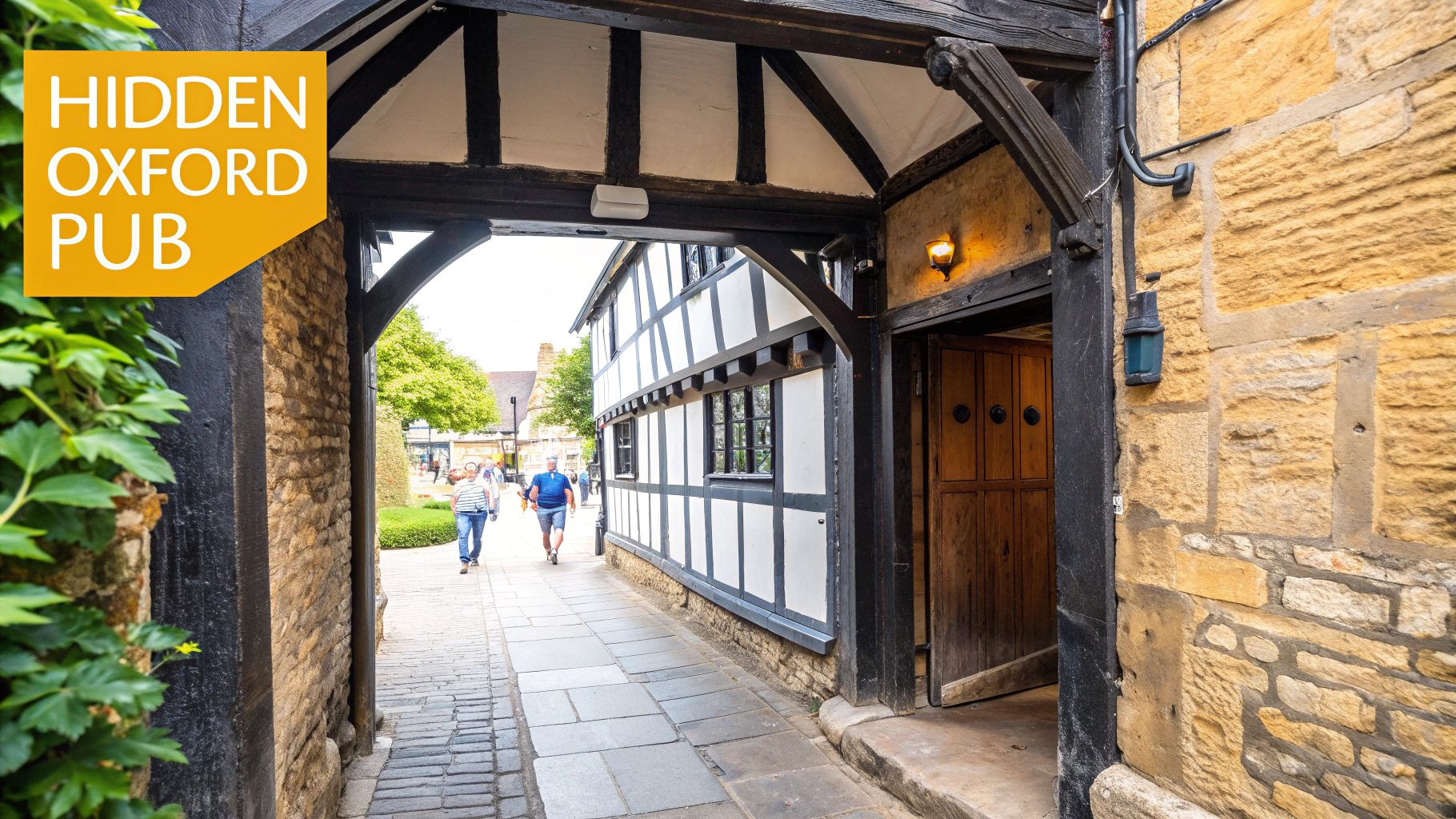
Finding The Turf Tavern is part of the adventure. Concealed down a narrow, winding alleyway near Oxford's old city wall, this pub is a genuine hidden treasure that has served students, scholars, and literary giants for centuries. First licensed in 1650, its low-beamed ceilings, snug rooms, and sprawling beer garden create an atmosphere of authentic, unspoiled history. This is one of those essential historic pubs in England where time seems to stand still, offering a welcome retreat from the bustling city streets.
The pub's legacy is deeply connected to the University of Oxford's intellectual community. It was a favoured haunt for writers like J.R.R. Tolkien and Philip Larkin, and it's easy to imagine them discussing their works in one of its cosy corners. The Turf is also famously where former Australian Prime Minister Bob Hawke set a world record for downing a yard of ale, and where a young Bill Clinton allegedly "did not inhale" while at Oxford. This rich tapestry of stories makes it a must-visit for any cultural explorer.
Visitor's Guide
A little preparation will help you make the most of this famously hard-to-find establishment.
- Best Time to Visit: Arrive on a weekday afternoon to secure a good spot, especially if you want to enjoy the courtyard. Evenings and weekends get extremely busy with students and tourists, so be prepared for a lively crowd.
- What to Try: The pub is known for its excellent selection of real ales and ciders. Embrace the local flavour by ordering from the rotating guest taps rather than settling for a mainstream brand.
- Explore Fully: The Turf is bigger than it first appears. Wander through the various small rooms inside, but the main attraction is the large, multi-levelled beer garden, which is a perfect spot during the spring and summer.
- Insider Tip: There are two main entrances: one through St Helen's Passage (often called "Hell's Passage") off New College Lane, and another via Bath Place. Finding it is a rite of passage, so enjoy the sense of discovery. Don't be shy about asking the older staff for stories about the pub's famous patrons.
Top 10 Historic English Pubs — Quick Comparison
| Pub (Age) | Preservation Complexity | Accessibility & Resources | Visitor Experience | Ideal Use Cases | Key Advantage |
|---|---|---|---|---|---|
| Ye Olde Cheshire Cheese — 1667 (357 yrs) | High — multi-level Victorian fabric, historic fittings | Central London; excellent transport; often crowded; moderate facilities | Atmospheric Victorian literary ambiance; can be busy | Literary/cultural tours; central historic pub experience | Strong literary associations and authentic period ambiance |
| The Bells of Penhurst — 1387 (636+ yrs) | Very high — medieval timber and stone needing specialist conservation | Rural Sussex; limited hours and access; requires travel planning | Quiet, genuine medieval time‑capsule | Rural heritage visits; architectural study; peaceful retreat | Exceptional medieval authenticity and integrity |
| Ye Olde Trip to Jerusalem — 1189 (834+ yrs) | Very high — cliff‑carved structure with unique conservation challenges | Nottingham city centre; cramped spaces; poor mobility access | Unique cave‑like, Crusades‑era atmosphere; often crowded | Unique‑architecture tourism; heritage enthusiasts | Only pub built into a cliff beneath a castle |
| The Raven Hotel — 1485 (538 yrs) | High — Grade I Tudor fabric and decorated plasterwork | Exeter centre; good access but limited parking | Rich Tudor architectural setting with decorative details | Architectural tours; city cultural visits | Outstanding late‑15th‑century timber and plasterwork |
| The Crown and Cushion — c.1550 (470+ yrs) | High — historic wood panelling and period fittings | Heart of Oxford; very busy in term time; pedestrian access | Intimate academic atmosphere; lively when students present | University heritage visits; informal academic gatherings | Strong Oxford academic and cultural heritage |
| The King's Head — 1592 (431 yrs) | High — Jacobean plasterwork and timber preservation | Aylesbury town centre; limited parking; market‑day crowds | Jacobean political historic ambience | Political/history tours; town‑centre visits | Exceptional Jacobean decorative plasterwork |
| The Grenadier — 1720 (303 yrs) | Moderate — preserved officers' mess interior and memorabilia | Hidden Belgravia mews; hard to find; very limited seating; reservation needed | Intimate military‑themed atmosphere; reputed hauntings | Small private gatherings; military/history aficionados | Distinct military heritage and intimate setting |
| The Bingley Arms — 1320 (703+ yrs) | High — medieval stone building with basic infrastructure | Remote Yorkshire; limited facilities; travel required | Simple, uncommercial medieval pub experience | Countryside heritage trips; local community visits | Extraordinary age and long continuous operation claim |
| The George Inn — 1676 (347 yrs) | High — preserved galleried coaching‑inn fabric; National Trust care | Borough, London; excellent transport; very busy evenings | Dickensian coaching‑inn courtyard atmosphere | Literary tours; group visits; historic transport interest | Only surviving galleried coaching inn in London |
| The Turf Tavern — 1650 (373 yrs) | Moderate — largely unchanged interior; Grade II listing | Central Oxford pedestrian access only; tiny capacity; no food | Hidden, intimate literary pub experience; often standing room only | Literary pilgrimages; authentic small‑pub visits | Longstanding literary associations and unchanged character |
Plan Your Own Historic Pub Pilgrimage
Our journey through England's most storied public houses has taken us from the shadowy, ink-stained corners of London's Ye Olde Cheshire Cheese to the ancient, cliff-hewn cellars of Nottingham's Ye Olde Trip to Jerusalem. We have raised a glass in Tudor-era coaching inns, sought refuge in hidden military taverns, and walked the same flagstone floors as literary giants, political schemers, and centuries of ordinary folk. Each pub on our list is more than a mere watering hole; it is a living museum, a time capsule where the echoes of history resonate with every clinking glass and crackling fireplace.
These establishments are the true heart of England, offering a direct, tangible link to the nation's past. They are the keepers of stories, the silent witnesses to plagues, fires, revolutions, and artistic brilliance. Visiting them is not just about enjoying a perfectly pulled pint of ale; it is about immersing yourself in the very fabric of English culture and heritage. It's an opportunity to connect with the past in a way that museums and history books simply cannot replicate.
Turning Inspiration into Itinerary
The true magic of exploring the historic pubs in England lies in crafting a journey that is uniquely yours. The list we've curated is not just a collection of destinations, but a set of waypoints for an unforgettable adventure. You can now begin to piece together your own pilgrimage, connecting these historical dots into a cohesive and deeply personal travel experience.
Consider how these different locations can be woven into a thematic tour:
- A Literary London Loop: Start at The George Inn in Southwark, imagining Shakespeare’s players nearby, before heading across the Thames to Ye Olde Cheshire Cheese to sit where Dickens and Johnson once held court. Finish your day in Belgravia’s Grenadier, a pub with a dramatic story worthy of any novel.
- An Academic's Ale Trail: Centre your travels around Oxford, comparing the scholarly whispers of The Crown and Cushion with the clandestine feel of The Turf Tavern. This creates a fascinating contrast between the city's public academic life and its hidden, more intimate history.
- A Grand Historical Road Trip: For the ambitious self-drive traveller, envision a route that sweeps from the ancient north with The Bingley Arms, down through the heart of England to Nottingham’s cave pub, before swinging south to the coaching inns of Sussex and the capital. Each stop offers a different chapter in England’s long and complex story.
"The greatest legacy of a pub is not its age, but the continuity of community it has fostered. By visiting, you become a part of that centuries-old tradition."
Your Next Chapter Awaits
As you plan your trip, remember the practical advice shared for each location. Check opening times, as these can vary, especially in more rural inns. For popular city pubs or those with renowned dining, booking ahead is always a wise strategy to avoid disappointment. Most importantly, allow yourself the time to linger. Don't just tick a pub off a list; sit, listen, and soak in the atmosphere. Chat with the landlord, read the plaques on the wall, and let your imagination wander.
The history of these pubs is not static; it is a continuously unfolding story, and your visit adds a new, albeit small, thread to that rich tapestry. You are not just a tourist; you are a temporary custodian of the atmosphere, a participant in a tradition that has endured for hundreds of years. So go forth, plan your route, and prepare to step through doorways that lead directly into the past. Your historic pub pilgrimage is more than a holiday; it’s an experience that will stay with you long after the last drop has been drunk.
Ready to transform this inspiration into a seamless journey? The customisable self-drive itineraries from BTOURS are expertly designed to connect you with the very best historic pubs in England, complete with route planning, accommodation, and local insights. Let BTOURS handle the logistics so you can focus on making history your own.