
Welcome to Belfast, a city where vibrant culture, poignant history, and legendary resilience converge. Once the powerhouse of the British Empire's shipbuilding industry and a city defined by its complex past, Belfast has blossomed into one of Europe's most dynamic destinations. This is your definitive guide to the essential Belfast must see attractions, curated for the discerning traveller who seeks more than just a checklist of sights. We will navigate you through the iconic landmarks and hidden gems that form the very soul of this incredible city, ensuring you connect with its authentic character.
From the awe-inspiring Titanic Belfast, standing proudly on the slipways of its birth, to the colourful and complex stories told on the city's famous murals, each stop is a chapter in Belfast's compelling narrative. Our guide goes beyond simple descriptions, offering practical tips, historical context, and suggested routes perfect for a self-drive adventure where you set the pace. We have organised this roundup to help you discover the city's layers, from the architectural grandeur of its Cathedral Quarter to the natural beauty of Cave Hill overlooking the urban landscape.
This isn't just a list; it's your roadmap to experiencing the true essence of Belfast. To make your Belfast adventure truly memorable and responsible, consider integrating insights from a comprehensive sustainable travel guide into your planning. Prepare to be inspired by the city's spirit, charmed by its people, and captivated by its stories. Your journey into the heart of a reborn city starts now.
1. Titanic Belfast
Standing proudly on the very slipways where the legendary RMS Titanic was designed, built, and launched, Titanic Belfast is more than a museum; it is a monumental tribute to the city's maritime heritage. This striking, star-shaped building, its four "hulls" shimmering like the bow of a ship, is an unmissable part of the Belfast skyline and an essential first stop for any visitor. It's a place where you can truly connect with the ambition, innovation, and ultimately, the heart-wrenching story of the world's most famous liner.
The experience inside is a journey through nine interactive and interpretive galleries. You'll travel from the boomtown of early 20th-century Belfast, through the clang and heat of the Harland & Wolff shipyard on a unique shipyard ride, to the opulent interiors of the finished vessel. The exhibits masterfully blend historical artefacts with immersive technology, allowing you to walk the decks, explore the cabins, and feel the powerful story of its maiden voyage and tragic end. This is one of the most compelling attractions you will find and a definite Belfast must-see.
Visitor Tips for Titanic Belfast
To make the most of your visit, a little planning goes a long way. This experience is deeply moving and incredibly detailed, so give it the time it deserves.
- Book in Advance: Tickets often sell out, especially during peak season. Book online at the official Titanic Belfast website to secure your time slot and avoid disappointment.
- Best Time to Visit: Aim for the first entry of the day (around 9 or 10 am) or later in the afternoon (after 3 pm) to bypass the largest crowds and enjoy the exhibits more freely.
- Allow Enough Time: A thorough visit takes at least three to four hours. Rushing through means missing the incredible details and emotional depth of the galleries.
- Extend Your Experience: For a complete picture, consider adding a visit to the SS Nomadic, the last remaining White Star Line vessel, which is included with your ticket and moored just outside. You can explore more about the wider historical context of the Titanic and its sister ships as you discover the region's rich past. Learn more about the legacy of Titanic and Ireland's maritime history.
2. Peace Wall and Political Murals
To truly understand Belfast's soul, you must engage with its complex and often turbulent past, which is powerfully etched onto its very walls. The Peace Lines and political murals of West Belfast are not just tourist sights; they are living testaments to the city's history of conflict, division, and the ongoing journey towards reconciliation. These stark barriers, which still separate unionist and nationalist communities, and the vibrant, often provocative murals on either side, offer an unfiltered glimpse into the identities, struggles, and aspirations that have shaped modern Belfast. This is an essential, thought-provoking experience and a definite Belfast must-see.

Exploring these areas offers a profound education in history and politics that no museum can fully replicate. The murals act as vast outdoor galleries, depicting everything from paramilitary figures and historical events to memorials and calls for peace. Seeing the towering Peace Wall, covered in messages of hope from visitors worldwide, is a moving experience that contextualises the city's resilience. To engage with this part of Belfast is to connect with the raw, authentic heart of a community still healing, making it one of the most impactful attractions you will find.
Visitor Tips for the Peace Wall and Murals
Navigating these historically charged neighbourhoods requires sensitivity and is best done with an expert. A guided tour provides invaluable context and ensures a safe, respectful visit.
- Book a Guided Tour: This is the most recommended way to experience the murals. A local guide can explain the symbolism and stories behind the art, offering balanced perspectives from both communities. Reputable operators include the famous Black Taxi Tours or walking tours like Coiste Irish Political Tours.
- Best Time to Visit: For the best visibility and a more comfortable experience, plan your visit during daylight hours. The stories here are deep and complex, so a clear day enhances the impact.
- Allow Enough Time: A typical Black Taxi or walking tour lasts around 90 minutes to two hours. This provides ample time to see key murals on both the Shankill and Falls Roads, stop for photos, and absorb the powerful narratives.
- Show Respect: Remember that you are in residential areas. Be mindful of residents, avoid taking intrusive photographs of people or their homes, and do not touch or deface the walls. Listen to your guide and approach the experience with an open and respectful mind.
3. St. George's Market
Stepping into St. George's Market is like walking into the vibrant, beating heart of Belfast itself. As the city's last surviving Victorian covered market, this cherished landmark has been a hub of commerce and community since the late 19th century. Its beautiful red-brick facade and soaring glass roof house a sensory feast, where the air buzzes with the chatter of vendors, the melodies of live musicians, and the irresistible aromas of fresh baps, local cheeses, and sizzling street food.
The market offers a true slice of Belfast life, attracting everyone from local families doing their weekly shop to foodies searching for artisanal treats. It’s a place where tradition meets modernity; you'll find third-generation fishmongers alongside innovative craftspeople and international culinary stalls. Exploring its aisles is more than just shopping; it's an immersive cultural experience and an essential part of any authentic Belfast must-see itinerary, connecting you directly to the city's spirit and flavour.
Visitor Tips for St. George's Market
To fully savour the atmosphere and offerings of this bustling market, a little inside knowledge goes a long way. It's a place to linger, taste, and chat, so don't rush your visit.
- Choose Your Day: The market has a different character each day it's open. Visit on the Friday Variety Market for a mix of 250 stalls selling everything from fish and antiques to books and clothes. Saturday's City Food and Craft Market is a haven for food lovers and those seeking unique, handmade gifts.
- Arrive Early: For the freshest produce and to avoid the biggest crowds, aim to get there shortly after it opens in the morning. This is especially true on a Saturday when it can get very busy around lunchtime.
- Bring Some Cash: While many traders now accept card payments, some smaller, traditional stalls may still be cash-only. It's always wise to have some pounds on you.
- Taste the Local Specialities: Be sure to try a Belfast Bap, some fresh dulse (seaweed), or locally caught seafood. The market is a showcase for Northern Ireland's culinary scene. Discover more about the country's gastronomic highlights on an Irish culinary journey.
- Parking: The market does not have its own car park. Utilise the nearby multi-storey car parks on Victoria Street or Lanyon Place, both just a short walk away.
4. Botanic Gardens and Palm House
Just a short stroll from Queen's University, the Botanic Gardens offer a vibrant green sanctuary in the heart of South Belfast. Established in 1828, this 28-acre Victorian park is a testament to the city's enduring love for horticulture and public spaces. It's a place where students, families, and visitors come together to unwind, explore, and marvel at nature's beauty, making it a truly authentic Belfast must-see experience.
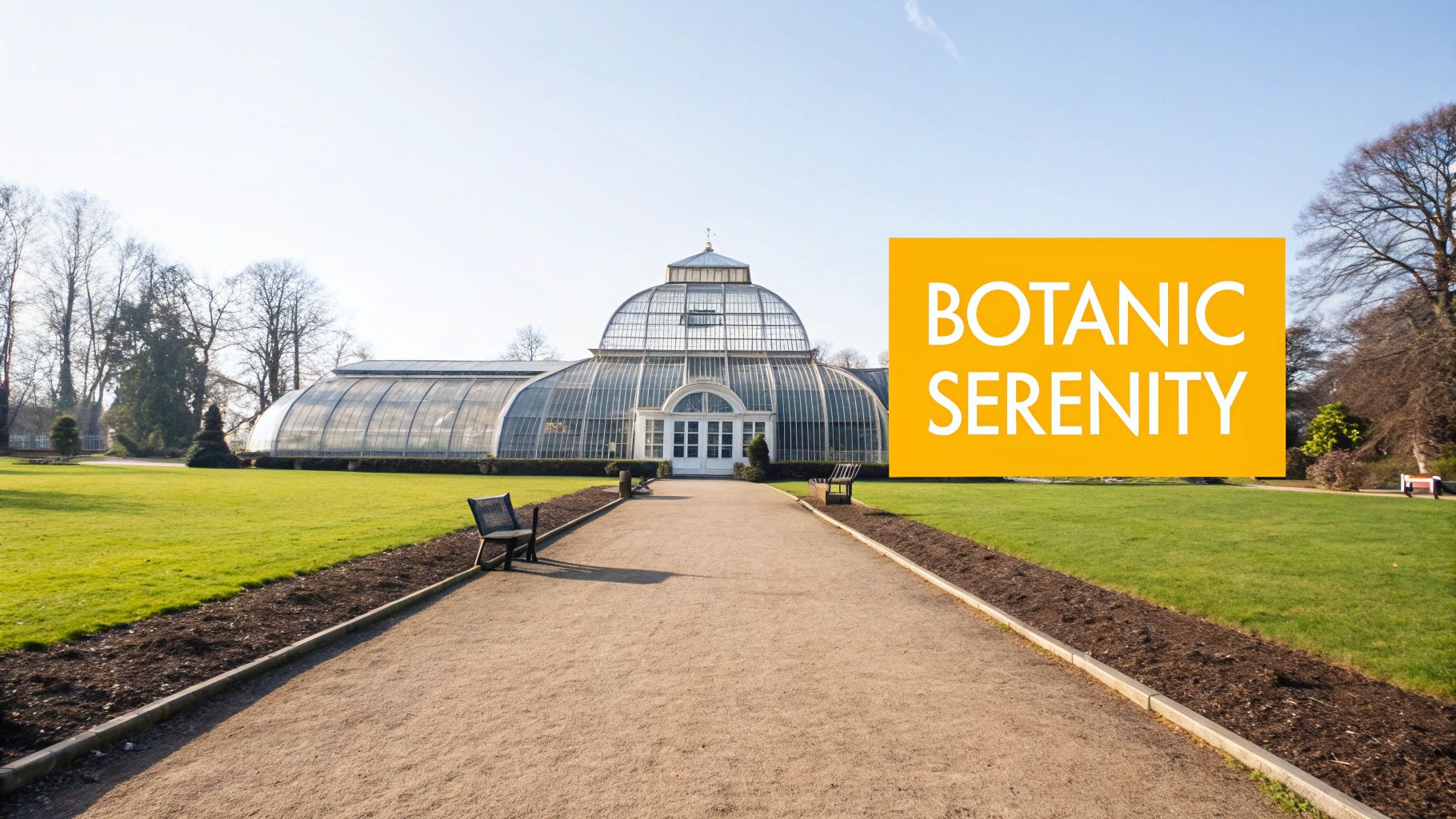
The crowning jewel of the gardens is the magnificent Palm House, an architectural wonder of cast iron and curvilinear glass designed by Charles Lanyon. Stepping inside this early example of a glasshouse is like entering another world, where tropical plants and towering palms thrive in a warm, humid environment. Further exploration will lead you to the Tropical Ravine, a unique sunken glen that houses a spectacular collection of exotic ferns and jungle-like foliage. The combination of stunning Victorian architecture and rare botanical collections makes this a truly inspiring stop.
Visitor Tips for the Botanic Gardens
To fully appreciate the tranquil atmosphere and diverse plant life, a relaxed approach is best. These gardens are perfect for a leisurely afternoon escape.
- Best Time to Visit: Arrive on a weekday morning for the most peaceful experience. Spring (March-May) is spectacular with blooming flowers, while summer offers lush, green landscapes perfect for a picnic.
- Allow Enough Time: Dedicate at least two to three hours to wander through the grounds, explore both the Palm House and the Tropical Ravine, and perhaps visit the Ulster Museum located within the gardens.
- Check Glasshouse Hours: While the park itself is open from early morning, the glasshouses have more specific opening times which can vary seasonally. Check the Belfast City Council website for the latest information before you go.
- Photography Opportunities: The intricate ironwork of the Palm House and the vibrant colours of the flora offer incredible photo opportunities. The light inside the glasshouses is often soft and diffused, ideal for capturing beautiful botanical shots.
5. Ulster Museum
Nestled within the lush surroundings of the Botanic Gardens, the Ulster Museum is a treasure trove where art, history, and the natural world collide. This magnificent institution offers a journey through time and place, from the age of dinosaurs to the complexities of modern Northern Ireland. It’s a dynamic and engaging space that presents millennia of human history and millions of years of natural science under one roof, making it a truly unmissable Belfast must-see for the curious traveller.
Inside its modern, light-filled galleries, you will find an extraordinary collection. Marvel at the intricate goldwork of the Girona Armada treasure, stand in awe before an Edmontosaurus skeleton, and contemplate powerful artworks that explore The Troubles. The museum masterfully tells the story of the people of Ulster and their connections to the wider world. Its diverse exhibits, from ancient Egyptian mummies to contemporary fashion, ensure that every visitor finds something to spark their imagination and deepen their understanding of this fascinating region.
Visitor Tips for the Ulster Museum
To fully appreciate the breadth of this fantastic free museum, a little forward planning can enhance your experience. It's a vast collection, so prioritise what you want to see most.
- Check for Exhibitions: The museum hosts an excellent programme of temporary exhibitions. Check the official Ulster Museum website before you go to see what's on and plan your visit around any special displays.
- Best Time to Visit: To enjoy a quieter atmosphere, plan your visit for a weekday morning or afternoon. School holidays and weekends can be particularly busy.
- Allow Enough Time: A comprehensive tour could take up to four hours. If time is short, pick a few galleries that match your interests, such as the Troubles and Modern History, Natural Sciences, or the Art collections.
- Take a Tour: The museum often offers free guided tours which provide fascinating context and highlight key objects. Check the schedule upon arrival to see if you can join one and gain deeper insights from the experts.
6. St. Anne's Cathedral
Dominating the heart of the vibrant Cathedral Quarter, St. Anne's Cathedral, also known as Belfast Cathedral, is a magnificent bastion of neo-Romanesque architecture and a serene spiritual sanctuary. Its imposing facade, intricate stonework, and stunning mosaics offer a peaceful counterpoint to the city's bustling energy. This is more than a building; it's a living piece of Belfast's history and a testament to a century of faith, artistry, and community, making it a definite Belfast must-see.
Inside, the cathedral's sheer scale is awe-inspiring. You are greeted by soaring pillars, beautiful stained-glass windows depicting Celtic and Christian themes, and the intricately carved details of the Romanesque arches. The cathedral is also home to the modern Spire of Hope, a stainless-steel needle that rises from the roof and illuminates the skyline at night, symbolising a forward-looking city. It’s a place of quiet contemplation where you can feel the layers of history and appreciate architectural grandeur.
Visitor Tips for St. Anne's Cathedral
To fully appreciate the cathedral’s serene atmosphere and architectural splendour, a little planning will enhance your experience.
- Check the Calendar: As an active place of worship, service times can affect public access. Check the official Belfast Cathedral website for opening hours and any special events or concerts taking place during your visit.
- Best Time to Visit: Aim for late morning or early afternoon. This is when natural light streams through the stained-glass windows, illuminating the interior and creating a truly magical and photographic atmosphere.
- Be Respectful: Remember this is a sacred space. Dress modestly, speak quietly, and refrain from taking photographs during services to respect the worshipping community.
- Explore the Neighbourhood: Don't just leave after your visit. The cathedral gives its name to the Cathedral Quarter, a creative hub brimming with cobbled streets, colourful street art, artisan galleries, and some of Belfast's best restaurants and pubs. Allow extra time to wander and soak up the area's unique vibe.
7. Lagan Weir & Riverside Walk
Winding through the heart of the city, the Lagan Weir & Riverside Walk offers a serene escape from the urban hustle and a picturesque perspective on Belfast's evolving waterfront. This scenic pathway traces the banks of the River Lagan, providing a tranquil green corridor that connects some of the city's most important landmarks. The centrepiece is the impressive Lagan Weir, an engineering marvel that manages the river's tidal levels, creating the calm, reflective waters that define this beautiful area.
The journey along the riverside is one of discovery, dotted with striking public art like the iconic "Bigfish" salmon sculpture, its ceramic scales telling the story of Belfast. The path offers stunning views of the city skyline, including the Waterfront Hall and the Harland & Wolff cranes, making it a perfect route for a leisurely stroll, jog, or cycle. It’s an attraction that beautifully blends nature, engineering, and art, revealing a peaceful and modern side of the city that is a definite Belfast must-see.
Visitor Tips for the Lagan Weir & Riverside Walk
To fully enjoy this refreshing urban oasis, a bit of planning will enhance your experience. This walk is about slowing down and soaking in the city's atmosphere from a unique vantage point.
- Best Walking Route: For the most scenic flow, start your walk south near the Botanic Gardens and follow the river northward towards the Waterfront Hall and the Lagan Weir. This direction slowly reveals more of the urban skyline as you approach the city centre.
- Ideal Time to Visit: The walk is beautiful year-round, but spring and summer offer the best weather and lush greenery. Aim for daylight hours for safety and the best photo opportunities. An early morning or late afternoon stroll provides beautiful light.
- Allow Enough Time: A leisurely walk with stops for photos and to admire the public art will take between one and two hours. Don't rush; the beauty is in the journey itself.
- Combine Your Visit: The path's central location makes it easy to combine with other attractions. You can start or end your walk at the Botanic Gardens, visit the Waterfront Hall for a show, or cross one of the bridges to explore the Titanic Quarter. Be prepared for Belfast's changeable weather and bring a waterproof jacket just in case.
8. Cave Hill & Belfast Castle
Dominating the city's skyline like a slumbering guardian, Cave Hill is the rugged, natural heart of Belfast. Its distinctive shape, famously said to resemble a sleeping giant, has inspired stories for centuries and offers an invigorating escape from the urban hustle. Nestled on its slopes is the magnificent Belfast Castle, a 19th-century Scottish baronial mansion that provides a picture-perfect foreground to the breathtaking panoramic views of the city, Belfast Lough, and beyond.

This destination offers the perfect blend of outdoor adventure and historic elegance. A hike to the summit, known as Napoleon's Nose, rewards you not just with unparalleled views but also with a sense of connection to the landscape that has watched over Belfast's entire history. The journey is a key part of the experience, taking you through woodland and heath, with the castle providing a welcoming stop for refreshments. For those seeking fresh air and a fresh perspective, this is an undeniable Belfast must-see.
Visitor Tips for Cave Hill & Belfast Castle
A visit here is a chance to breathe deep and see the city from a different angle. Proper preparation ensures you enjoy the experience safely and comfortably.
- Check the Weather: The views are entirely weather-dependent. Always check the forecast before setting off, as conditions on the hill can change rapidly. A clear day is essential to appreciate the expansive scenery.
- Gear Up: Even on a good day, the trails can be uneven and muddy. Wear sturdy hiking boots and bring a waterproof jacket. The Irish weather is famously unpredictable.
- Time Your Hike: For the best light and fewer people, plan your hike for early morning or late afternoon. The round-trip hike to the summit typically takes 1.5 to 2 hours.
- Combine & Conquer: Start your adventure at the Cave Hill car park and follow the well-marked trails. Plan a stop at Belfast Castle's café either before your ascent for energy or after as a well-earned reward. This combination of rugged nature and refined heritage is reminiscent of the dramatic landscapes found along other famous Irish routes. You can explore more about the natural beauty of the island and its stunning coastlines, like the Wild Atlantic Way in Ireland.
9. The Shipyard (Harland & Wolff)
Dominating the Belfast skyline with their iconic yellow gantries, Samson and Goliath, the Harland & Wolff shipyard is more than just an industrial site; it is the very soul of the city’s industrial might. Standing on the ground where the world’s most ambitious ships, including the RMS Titanic, were forged from steel and dreams, you feel an undeniable connection to Belfast's proud maritime past. This is the cradle of shipbuilding giants, a place that powered an empire and shaped the city's character.
Exploring the shipyard area, now part of the vibrant Titanic Quarter, allows you to walk in the footsteps of thousands of workers who brought these colossal vessels to life. You can stand on the historic slipways where Titanic and her sister ship Olympic first met the water, tracing the outlines of the great liners etched into the ground. The sheer scale of the operation is awe-inspiring, offering a raw, authentic counterpoint to the polished museum experience and making it an essential Belfast must-see for anyone wanting to grasp the city's true heritage.
Visitor Tips for The Shipyard
To truly appreciate the scale and history of this legendary site, a bit of planning will enhance your exploration. The area is vast and steeped in stories waiting to be discovered.
- Guided Tours are Essential: While you can see the cranes from afar, the best way to understand the shipyard's history is through a guided tour. Organisations like the Titanic Foundation often run walking tours that grant access and provide invaluable context from local experts.
- Best Photo Opportunities: For the most iconic shots of the Samson and Goliath cranes, head to the area around the SSE Arena and the Odyssey complex. The view across the water provides a perfect frame for these industrial titans.
- Combine with Titanic Belfast: The shipyard is the natural partner to a visit to Titanic Belfast. See the slipways and drawing offices first to set the scene before immersing yourself in the ship's story at the museum. The SS Nomadic is also right there, offering another tangible link to the White Star Line.
- Allow Enough Time: To walk the slipways, visit the drawing offices, and take in the atmosphere, set aside at least one to two hours in addition to your museum visit. The experience is about soaking in the scale and reflecting on the human effort involved.
10. Waterfront & Cathedral Quarter
To truly feel the pulse of modern Belfast, head to the dynamic, adjacent neighbourhoods of the Waterfront and the Cathedral Quarter. These areas represent the city's incredible regeneration and cultural rebirth, offering a vibrant contrast between contemporary architecture and beautifully restored Victorian heritage. The Waterfront, with its sleek concert hall and riverside walkways, showcases a modern, forward-looking city, while the cobbled lanes of the Cathedral Quarter invite you to explore a bohemian hub of art, music, and independent spirit. This is where Belfast's past and future meet, making it an undeniable must-see destination.
Your experience here is one of discovery. Wander through the Cathedral Quarter's historic entries and alleyways, uncovering colourful street art, quirky pubs, and innovative galleries tucked into old merchant houses. Then, take a short stroll over to the Waterfront to enjoy the open spaces along the River Lagan, perhaps catching a show or simply admiring the modern sculptures like "The Big Fish". The contrast is exhilarating; you can soak up centuries of history in one moment and embrace the city's vibrant contemporary culture the next. This area truly captures the resilient and creative soul of Belfast.
Visitor Tips for Waterfront & Cathedral Quarter
Navigating these lively districts is part of the fun. A little planning will help you experience the best of both worlds, from serene riverside walks to bustling cultural hotspots.
- Best Time to Visit: Weekday evenings offer a fantastic atmosphere without the weekend crowds, making it easier to get a table for dinner. For a quieter experience exploring the street art and galleries, a weekday afternoon is ideal.
- Explore on Foot: The best way to appreciate the area's character is by walking. The short walk between the Cathedral Quarter and the Waterfront allows you to witness the city's architectural evolution firsthand.
- Check Event Schedules: The Waterfront Hall is a major venue for concerts and events. Always check the official Waterfront Hall website in advance to see what's on or if access is restricted.
- Combine Your Visit: These areas are perfectly situated near other key attractions. Start your day at Titanic Belfast, then walk over to the Cathedral Quarter via the Lagan Weir and footbridge for a seamless city exploration. The area also serves as a gateway to Northern Ireland's wider filming locations, some of which you can explore on a themed journey. You can discover more about the region's famous filming sites and plan your own epic adventure through Northern Ireland.
Belfast Top 10 Attractions Comparison
| Attraction | Implementation complexity | Resource requirements | Expected outcomes | Ideal use cases | Key advantages |
|---|---|---|---|---|---|
| Titanic Belfast | High — large timed museum with coordinated exhibits | Moderate–high (admission fee, 3–4 hours) | Immersive historical learning and multisensory experience | Deep-dive history visits, family days, Titanic-focused itineraries | Comprehensive exhibits, VR, authentic shipyard location |
| Peace Wall and Political Murals | Low–moderate — can be self-guided or require a local guide | Low (free to view; guided tours optional) | Strong contextual insight into the Troubles and reconciliation | Cultural education, photography, community-led tours | Authentic street art, powerful narratives, low cost |
| St. George's Market | Low — walk-in market with timed peak days | Low (affordable purchases; limited parking) | Tasting local food, shopping artisan goods, lively atmosphere | Food lovers, bargain hunters, authentic local experience | Historic setting, wide vendor variety, affordable |
| Botanic Gardens and Palm House | Low — self-guided outdoor visit | Minimal (free gardens; check glasshouse hours) | Relaxation, botanical education, photography opportunities | Nature lovers, families, peaceful walks | Free entry, Victorian architecture, scenic green space |
| Ulster Museum | Moderate — extensive collections require time to explore | Low (free general admission; time investment) | Broad cultural, art, and natural history education | Museum-goers, students, cultural research visits | Free permanent collections, diverse exhibits, educational programs |
| St. Anne's Cathedral | Low — short visits but observe service schedules | Minimal (free entry; possible restricted hours) | Architectural appreciation and quiet reflection | Architecture enthusiasts, concert attendees, central sightseeing | Free access, striking neo-Romanesque design, central location |
| Lagan Weir & Riverside Walk | Low — self-paced outdoor route | Minimal (free access; suitable footwear) | Scenic exercise and connectivity between attractions | Walking, cycling, casual sightseeing | Free, accessible, links major attractions |
| Cave Hill & Belfast Castle | Moderate — hiking requires planning and fitness | Low (free trails; optional castle entry fee) | Panoramic views, outdoor recreation, photography | Hikers, photographers, day-trip explorers | Spectacular vistas, varied trails, castle amenities |
| The Shipyard (Harland & Wolff) | Moderate — limited public access; tours recommended | Low–moderate (free viewing; guided tours may cost) | Industrial heritage insight and dramatic photo opportunities | Maritime history enthusiasts, industrial heritage tours | Authentic shipbuilding landmarks, Titanic connection |
| Waterfront & Cathedral Quarter | Low–moderate — multiple venues and event planning | Variable (dining/entertainment expenses) | Vibrant dining, nightlife, and cultural experiences | Evenings out, shopping, festivals and events | Diverse venues, lively atmosphere, strong dining and arts scene |
Your Unforgettable Belfast Journey Awaits
Belfast is not a city you simply see; it's a city you feel. It resonates in the echoing shipyards where the Titanic was born, whispers through the vibrant stalls of St. George's Market, and speaks volumes from the powerful murals that colour its streets. We've journeyed together through its most iconic landmarks, from the architectural splendour of City Hall to the natural majesty of Cave Hill, each a crucial piece of the city’s intricate and compelling mosaic.
What truly makes a visit to this city unforgettable is the personal connection you forge with its story. It’s about more than just a checklist of Belfast must see locations. It’s the spontaneous chat with a vendor, the moment of reflection at the Peace Wall, the taste of a fresh Ulster Fry, and the breathtaking view that unfolds after a rewarding hike. These are the moments that transform a holiday into a cherished memory.
Weaving Your Own Belfast Story
The beauty of Belfast is how its diverse attractions connect. The industrial might of the Titanic Quarter flows seamlessly into the creative energy of the Cathedral Quarter. The Victorian elegance of the Botanic Gardens offers a peaceful counterpoint to the raw, living history of the city's political tours. A self-drive itinerary empowers you to link these experiences in a way that feels authentic to you.
Consider how your journey might unfold:
- Morning of History: Begin at the Crumlin Road Gaol, then cross the road to understand the city's political landscape through a Black Taxi Tour of the murals.
- Afternoon of Culture: Immerse yourself in the local flavour and crafts at St. George’s Market before enjoying a leisurely stroll along the Lagan riverside.
- An Evening with a View: Conclude your day with an ascent up Cave Hill, watching the city lights begin to twinkle below as the sun sets over Belfast Lough.
This is the freedom that defines a truly modern Irish adventure. It’s about having a plan but also embracing the flexibility to deviate from it when curiosity calls. Perhaps a local recommends a hidden pub, or you discover a coastal walk just a short drive away. With your own transport, these detours aren't complications; they are the very heart of the experience.
Beyond the City Limits
Remember, Belfast is also a perfect gateway to the wonders of Northern Ireland. The dramatic Causeway Coastal Route, the ancient stones of the Giant’s Causeway, and the filming locations of Game of Thrones are all within easy reach. The true value of exploring this region is in understanding how the city's vibrant urban core is intrinsically linked to the stunning landscapes that surround it. This comprehensive perspective is what makes any list of Belfast must see attractions just the beginning of a much larger, richer story.
Your Belfast journey is a blank page waiting to be written. It’s an opportunity to engage with a city that has reinvented itself, a place of resilience, creativity, and profound human spirit. As you stand on the summit of Cave Hill, looking out over the tapestry of history and progress below, you'll realise you haven't just visited Belfast. You've connected with it.
Ready to turn this guide into your own personalised road trip? At BTOURS, we specialise in crafting bespoke self-drive tours of Ireland, combining the best Belfast must see sights with the freedom to explore at your own pace. Let us handle the logistics so you can focus on the adventure. Plan your perfect Irish journey with BTOURS today.