Dreaming of windswept cliffs, ancient castles, and the warmth of a traditional pub? Ireland's profound magic shifts with the seasons, offering a completely different character each month. But pinpointing the best time to visit Ireland depends entirely on the specific adventure you seek. The "perfect" month is not a one-size-fits-all answer; it's a personal choice that balances your priorities for weather, atmosphere, and activity.
Are you chasing the golden light of early autumn for dramatic photography along the coast? Do you yearn for endless summer daylight to explore every hidden ruin and Neolithic tomb? Or perhaps you prefer the quiet solitude of a winter heritage trail, where ancient sites feel like they belong only to you. This definitive guide is designed to help you navigate these choices.
We will break down the year month-by-month, revealing the ideal windows for your perfect self-drive journey. You'll gain a clear understanding of the trade-offs between sunshine, crowds, and cost, allowing you to align your travel dates with your personal vision. Forget generic advice; we're providing actionable insights to help you plan an unforgettable trip. Whether you're a history enthusiast tracing ancient routes, a nature aficionado seeking vibrant landscapes, or a cultural explorer ready for festival season, this is your resource for timing it right. We'll delve into everything from driving conditions on the Wild Atlantic Way to the best moments for exploring Ireland's Ancient East, ensuring your trip is everything you imagined and more.
1. May – Late Spring: Ideal for Wildflower Season and Perfect Weather
Imagine Ireland awakening from its slumber, a landscape painted in vibrant colour under long, gentle sunlight. This is the magic of May. Many seasoned travellers consider this late spring month the absolute best time to visit Ireland, a perfect symphony of pleasant weather, blooming nature, and manageable crowds before the summer rush.
The air is fresh, with average temperatures hovering between a comfortable 14-16°C. Most importantly, daylight stretches for over 16 glorious hours, giving you ample time to explore, from an early morning misty drive to a late evening coastal walk. Rainfall is often at its lowest, meaning more opportunities for clear skies and stunning photographs.
Why May is the Perfect Month for a BTOURS Self-Drive Adventure
For independent travellers, May offers the ultimate freedom. The roads are clearer, parking at popular sites is less competitive, and the overall pace feels more relaxed. This is your chance to truly savour the journey, not just the destination.
- The Wild Atlantic Way in Bloom: Drive the iconic coastal route with breathtaking visibility. The cliffs are carpeted with sea pinks and other wildflowers, creating a spectacular contrast against the deep blue Atlantic.
- The Burren Comes Alive: Witness the unique limestone landscape of County Clare transform into a natural rock garden, boasting rare arctic and alpine flowers found nowhere else in Ireland.
- Historic Sites without the Hordes: Explore the ancient monastic settlement of Glendalough or the majestic Rock of Cashel in the soft morning light, enjoying a sense of peace and discovery often lost in peak season.
Insider Tip: Use the extended daylight to your advantage. Plan your visits to major attractions like the Cliffs of Moher for early morning or late afternoon to avoid the tour bus crowds and capture the landscape in the most dramatic, golden light.
Actionable Tips for a May Visit
To make the most of this prime season, a little forward planning goes a long way.
- Book Ahead: Secure your preferred charming B&Bs or historic hotels by booking at least 6-8 weeks in advance, as savvy travellers know May is a gem.
- Layer Up: Irish weather is famously changeable. Pack layers, including a light waterproof jacket, a warm fleece, and comfortable walking trousers. And for those coastal walks and national park explorations, a reliable pair of hiking boots is non-negotiable. Discover our recommendations for the best waterproof walking shoes to keep your feet dry and comfortable on any terrain.
- Embrace the Evenings: Don't retreat when the sun starts to dip. The long twilight hours are perfect for an after-dinner stroll through a colourful village like Dingle or Kinsale, or finding a local pub for traditional music.
2. September – Early Autumn: Golden Light and Authentic Local Experiences
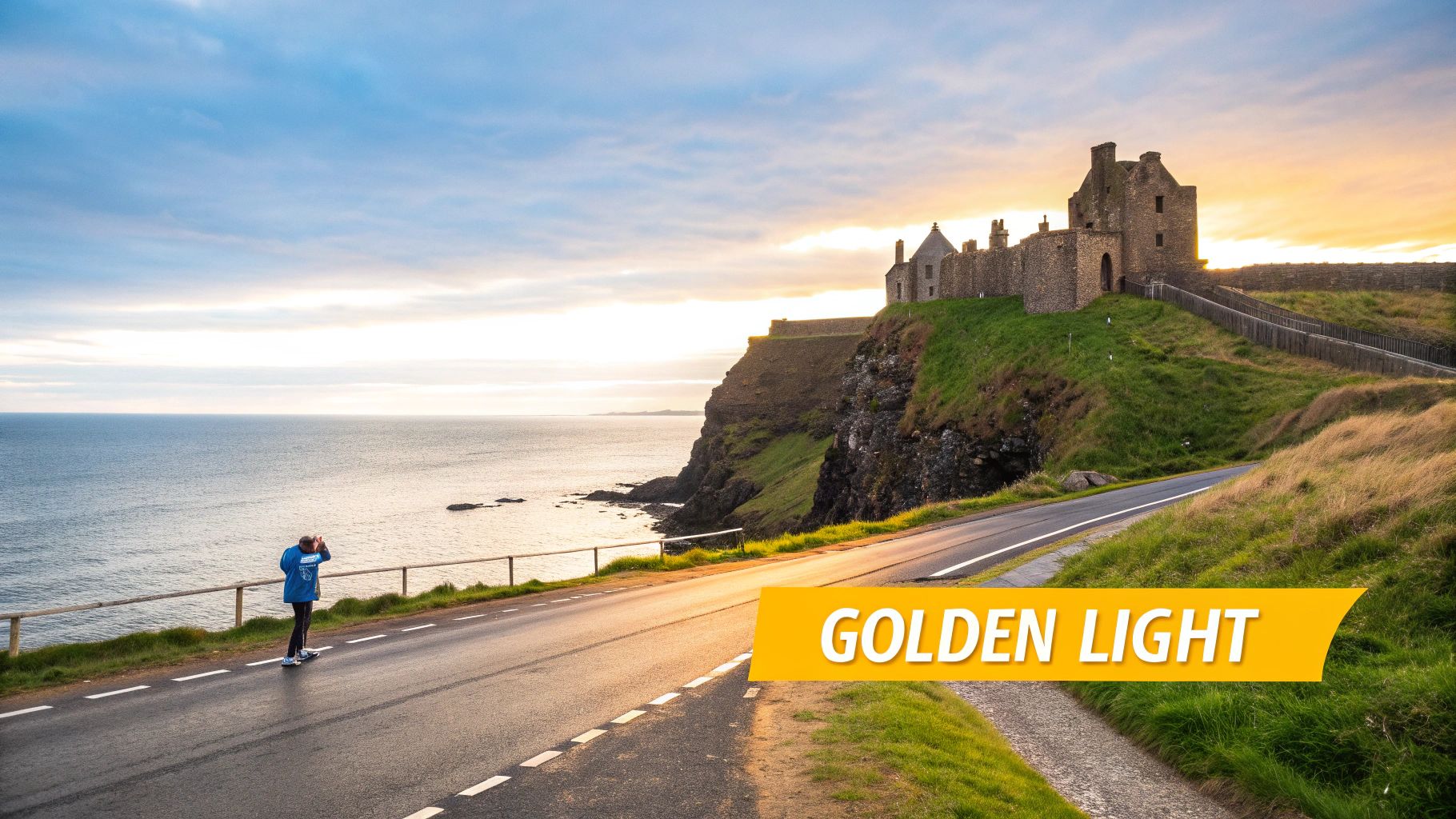
Picture Ireland bathed in a soft, golden glow, the frantic energy of summer replaced by a serene, welcoming calm. This is the unique charm of September. As the season turns, this early autumn month emerges as another contender for the best time to visit Ireland, offering a magical blend of mild weather, stunning light, and more authentic local encounters.
The summer warmth lingers, with average temperatures a pleasant 15-18°C, while the crowds of July and August have thankfully dispersed. Daylight hours are still generous, and the Atlantic winds often soften, creating perfect conditions for photography and unhurried exploration. This is Ireland at its most contemplative and beautiful.
Why September is the Perfect Month for a BTOURS Self-Drive Adventure
For travellers seeking a deeper connection, September provides the space and pace to find it. The roads are quieter, allowing for spontaneous stops and a more relaxed driving experience, aligning perfectly with the BTOURS philosophy of authentic discovery.
- The Photographer's Golden Hour: Capture Dunluce Castle or the Ring of Kerry in the low, warm light of early morning or late afternoon. With fewer people around, you can find the perfect, uninterrupted shot.
- Heritage Sites in Peace: Wander through the ancient monastic ruins of Clonmacnoise or walk the hallowed ground of Skellig Michael with a sense of quiet reverence that is impossible during the peak season rush.
- Authentic Pub Experiences: The end of the main tourist season means local pubs return to their regular rhythm. It’s the ideal time to strike up a conversation with the publican or listen to a traditional music session that feels truly local, not just for show.
Insider Tip: Lean into the local scene. September is a time for harvest festivals and community events. Keep an eye on local notice boards in villages and towns for impromptu gatherings that offer a real glimpse into contemporary Irish culture.
Actionable Tips for a September Visit
Making the most of this golden month requires a slightly different approach to planning.
- Seek Local Stays: Opt for charming self-catering cottages or intimate boutique hotels. With fewer guests, proprietors often have more time for a chat, offering invaluable local insights.
- Embrace the Weather: While generally stable, autumn can bring changeable conditions. Pack layers, including a warm fleece and a waterproof jacket. Keep your hands comfortable during those crisp morning drives with our recommended thermal padded gloves for autumn rides, ensuring you’re ready for any adventure.
- Plan Mid-Week Visits: Schedule your trips to major heritage sites for Tuesday through Thursday. You’ll often find you have these magnificent places almost entirely to yourself, allowing for a far more profound and personal experience.
3. June – Early Summer: Extended Daylight and Festival Season
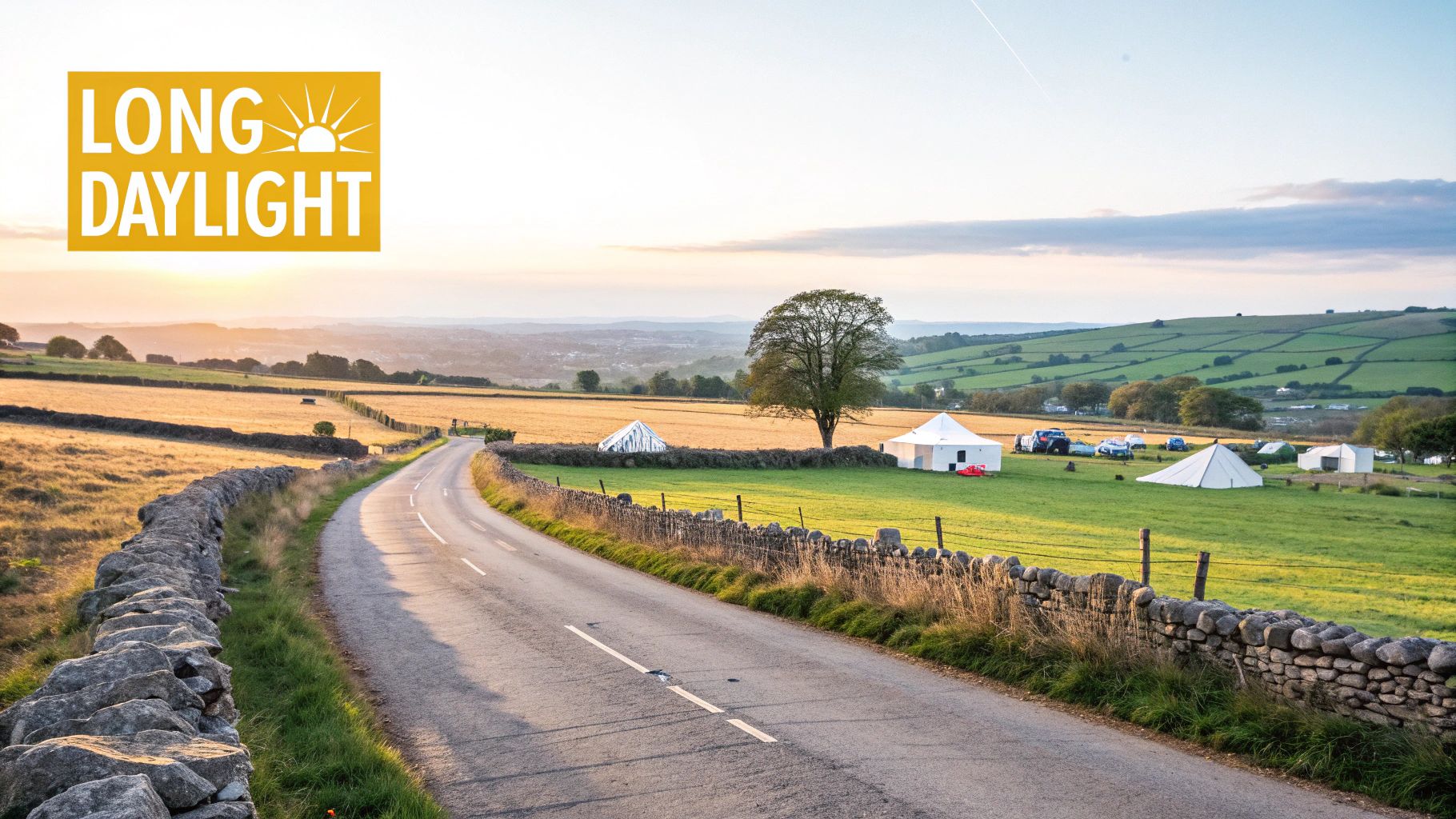
Step into June, and you’ll find Ireland bathed in the most extraordinary light. This is early summer, where the days stretch to their absolute longest, offering over 17 hours of glorious daylight. The Emerald Isle is alive with vibrant energy, marking the start of festival season and presenting a brilliant opportunity for in-depth exploration under pleasant, warm skies.
The weather settles into a comfortable groove, with average temperatures rising to a pleasant 16-18°C. This combination of extensive daylight and mild conditions makes June one of the best times to visit Ireland, especially for travellers keen to maximise every moment of their trip before the peak crowds of July and August arrive.
Why June is the Perfect Month for a BTOURS Self-Drive Adventure
For the curious self-drive traveller, June’s extended daylight is a game-changer. It transforms your itinerary, allowing for more spontaneous stops, deeper exploration of heritage sites, and the freedom to travel at a leisurely pace without racing against the sunset.
- Literary Dublin and Beyond: Immerse yourself in Ireland’s rich literary heritage by attending the Bloomsday Festival in Dublin (16 June), celebrating James Joyce's Ulysses. Use the long days to then explore other literary landmarks across the country at your own pace.
- Maximised Sightseeing: The sheer length of the days means you can comfortably visit multiple major sites in a single day. Imagine exploring the Rock of Cashel in the morning, meandering through the Vee Pass in the afternoon, and still having hours of light for a coastal drive.
- Photographer’s Dream: The "golden hour" for photography lasts significantly longer. Capture majestic castles like Blarney or ancient monastic sites in the soft, ethereal light of a late evening, long after the main tour buses have departed.
Insider Tip: Use the late evening light, from 8 PM to 10 PM, for your landscape and architectural photography. The low-angled sun creates dramatic shadows and warm colours, bringing stone ruins and coastal cliffs to life in a way you can't capture at midday.
Actionable Tips for a June Visit
June's popularity is growing, so strategic planning is key to crafting a seamless and enriching journey.
- Book Everything Early: With the festival season kicking off, demand for unique accommodation and car rentals rises sharply. Secure your preferred historic hotels and vehicles as soon as you finalise your travel dates.
- Plan Around Festivals: Check local event calendars for the areas you plan to visit. Incorporating a regional music or food festival into your route provides an authentic and lively cultural experience.
- Smart Scheduling: Visit marquee attractions like the Cliffs of Moher or the Giant's Causeway either first thing in the morning or after 4 PM to avoid the busiest periods and enjoy a more personal experience.
- Dine Deliberately: As towns get busier, popular restaurants and pubs fill up quickly. Make reservations a day or two in advance, especially for weekend evenings in tourist hotspots like Galway or Killarney.
4. April – Spring Awakening: Easter Holidays and Moderate Crowds
Picture the Irish countryside shaking off winter, its fields and hillsides bursting into a fresh, vibrant green. This is April in Ireland, a month of renewal and awakening. It offers a unique blend of budding nature, significant cultural celebrations, and the advantage of visiting just before the busier late-spring season, making it another contender for the best time to visit Ireland.
The weather becomes milder, with average temperatures climbing to a pleasant 10-14°C. Daylight hours extend significantly to around 14-15 hours, providing more time to see the sights. While you should still expect the famous "four seasons in one day," the promise of spring is tangible in the crisp, clean air.
Why April is a Brilliant Month for a BTOURS Self-Drive Adventure
For those seeking a balance between lively local culture and manageable traffic, April is a fantastic choice. The roads are still relatively quiet, especially outside of the main Easter week, allowing for spontaneous detours and a relaxed pace as you navigate the island's scenic routes.
- Ring of Kerry in Fresh Green: Drive this legendary route as its rolling hillsides are at their greenest. The moderate traffic means more opportunities to pull over at scenic viewpoints without the summer crowds.
- Easter Festivities: Immerse yourself in local culture by visiting Easter markets in cities like Galway or Killarney. Many small towns and villages hold their own unique parades and celebrations, offering an authentic glimpse into Irish traditions.
- Monastic Ruins Amidst New Life: Explore ancient sites like Glenveagh or Jerpoint Abbey as they are framed by emerging spring flowers and budding trees, adding a layer of poignant beauty to these historic stones.
Insider Tip: Easter week can see a spike in domestic travel. If you prefer quieter explorations of popular heritage sites, plan your visits for the weeks before or after the main Easter holiday weekend. The atmosphere is still wonderfully spring-like, but with fewer people.
Actionable Tips for an April Visit
A bit of planning will help you navigate April’s unique rhythm, from its variable weather to its holiday peaks.
- Book for Easter: If you plan to travel during the Easter school holidays, book accommodation 8-10 weeks in advance, especially in popular tourist towns, to avoid disappointment.
- Flexible Itinerary: Keep your driving plans flexible. You might stumble upon a charming local Easter fair or a traditional music session in a village pub that wasn't on your original agenda.
- Pack for Everything: Layering is key for an April trip. A waterproof jacket, a warm fleece, sturdy walking trousers, and waterproof footwear are essential to stay comfortable through sun, wind, and the occasional spring shower. You can find our top picks for the best waterproof walking shoes to ensure you’re ready for any trail.
- Early Bird Exploration: Visit major attractions like the Rock of Cashel or Blarney Castle early in the morning to enjoy the soft spring light and beat the tour groups that may arrive later in the day.
5. October – Autumn Romance: Dramatic Weather and Mystical Atmosphere
Forget endless sunshine; embrace the soul-stirring drama of an Irish autumn. October is when Ireland’s ancient landscapes reveal their most mystical character, cloaked in moody skies, swirling mists, and a rich palette of gold and amber. It’s a time for travellers who seek atmosphere over suntans, a period when the country’s profound history feels intensely present.
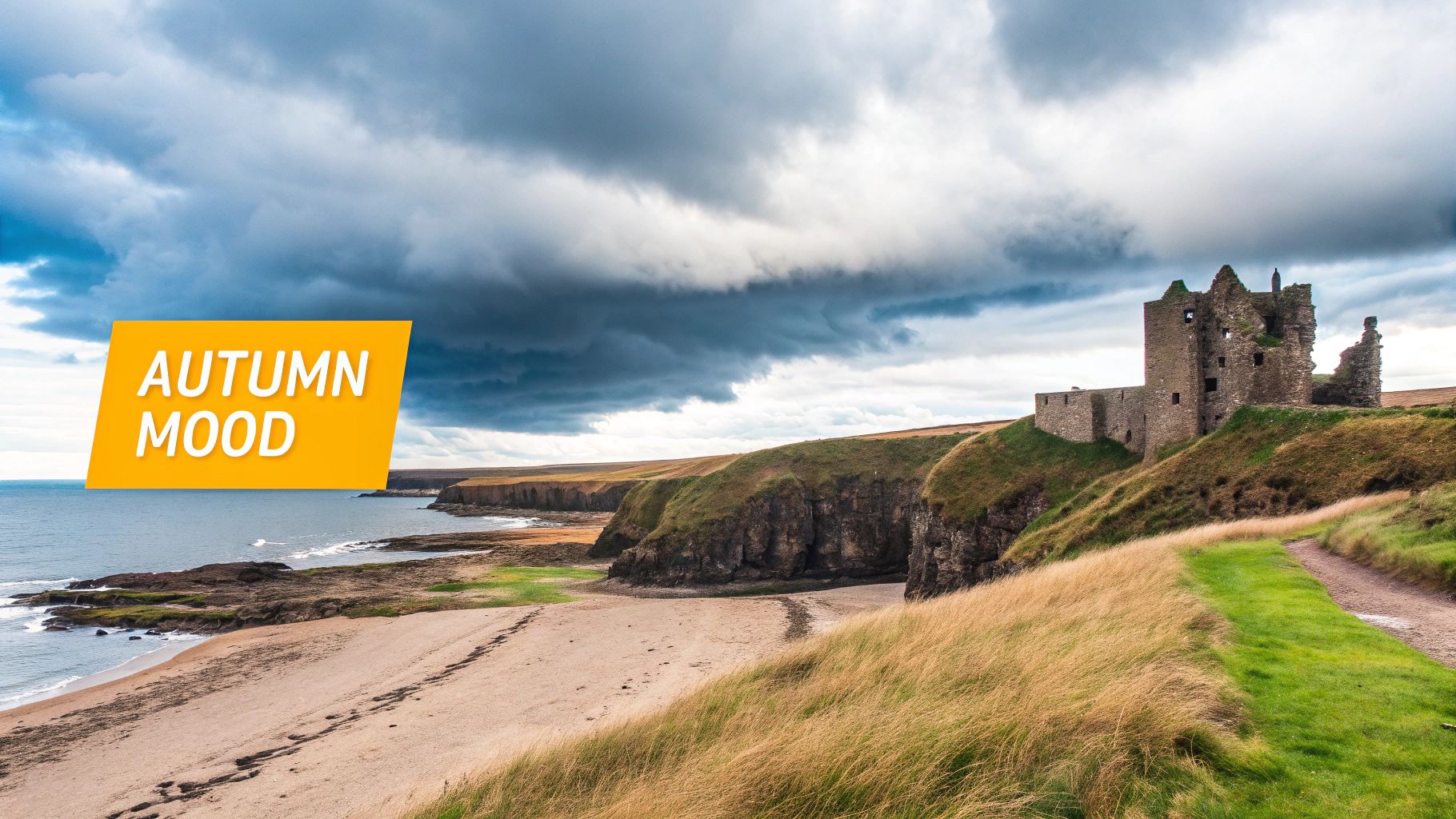
The crisp air, with average temperatures around 12-14°C, is invigorating. While you can expect rain, you'll also be rewarded with bursts of spectacular light as the sun breaks through dramatic clouds. With the summer crowds gone, you can experience Ireland’s iconic sites with an intimacy that is simply impossible during peak season.
Why October is the Perfect Month for a BTOURS Self-Drive Adventure
For photographers and history lovers, October offers an unparalleled opportunity for atmospheric exploration. The reduced traffic and quieter sites allow for spontaneous detours and unhurried visits, letting the wild, untamed beauty of the season guide your journey.
- Dramatic Coastal Drives: The Wild Atlantic Way takes on a powerful, cinematic quality. Witness immense waves crash against the cliffs and capture breathtaking images of sites like Dunluce Castle framed by stormy skies.
- Haunting Heritage Sites: Explore the windswept stones of Skellig Michael or the quiet monastic ruins of Clonmacnoise with few others around, allowing the centuries of history to truly sink in.
- Cultural Immersion: The shoulder season is rich with authentic local culture. Use your flexible itinerary to discover events like the Wexford Opera Festival or a traditional music session in a cosy pub, providing a warm refuge on a rainy day.
Insider Tip: Treat the dramatic weather as a photographic asset, not a hindrance. The soft, diffused light and dark, moody clouds create incredible contrast and a sense of timelessness that you simply cannot capture in bright summer sun.
Actionable Tips for an October Visit
A successful autumn trip is all about preparation and embracing the elements.
- Book Spontaneously but Smartly: While you can be more flexible, it's still wise to book unique accommodations a few weeks out. You can often find significant discounts compared to summer prices.
- Prepare for All Weathers: Layering is key. A thermal base layer, a warm fleece, and a high-quality waterproof jacket are essential. Explore our guide to the best water-repellent jackets to ensure you stay dry and comfortable while chasing those dramatic landscapes.
- Plan Flexible Driving Days: Build buffer time into your itinerary. If a storm system makes a coastal drive unsafe, have a backup plan to explore inland castles, museums, or charming towns instead.
6. July – Peak Summer: Maximum Tourism and Long Daylight Hours
Picture Ireland at its most vibrant and alive, bathed in the brilliant sunshine of midsummer. This is July, the absolute peak of the tourist season. While it brings crowds, it also delivers the warmest weather and the longest days of the year, creating an energetic and celebratory atmosphere across the island.
The days are wonderfully long and warm, with temperatures often settling between a pleasant 17-19°C. With over 16 hours of daylight, the possibilities for exploration feel almost endless, allowing you to pack your itinerary from dawn until a late, lingering dusk. This is the month when Ireland is in full swing, with every attraction, festival, and pub garden buzzing with life.
Why July is the Perfect Month for a BTOURS Self-Drive Adventure
For families and travellers whose schedules demand a summer holiday, July offers unparalleled opportunities. The stable, warm weather and guaranteed full operating hours at all heritage sites remove many of the uncertainties of travelling in other seasons, making it the best time to visit Ireland for an ambitious itinerary.
- Maximum Daylight for Epic Drives: Take on the grand Ring of Kerry or the entire Wild Atlantic Way with minimal concern for fading light. The extended daylight means you can cover more ground and make spontaneous stops without feeling rushed.
- Guaranteed Access to Ancient Wonders: Explore iconic sites like the prehistoric monument of Newgrange or the windswept Skellig Michael knowing they will have their longest opening hours of the year, allowing for more flexible planning.
- A Festival for Every Town: Immerse yourself in Irish culture by timing your visit with one of the many major summer music or cultural festivals that bring towns and cities to life with incredible energy.
Insider Tip: Treat the crowds as part of the summer experience. Embrace the buzz in cities like Galway and Dublin, but use the long daylight hours to your strategic advantage. Plan major sight-seeing for the early morning (8-9 AM) or early evening (5-6 PM) to enjoy a more personal experience.
Actionable Tips for a July Visit
Success in July is all about meticulous advance planning to navigate the peak season smoothly.
- Book Everything Far in Advance: This cannot be overstated. Secure your vehicle, accommodations, and even key restaurant reservations at least 3-4 months beforehand, as availability becomes severely limited.
- Travel Light and Smart: With flights and cars often fully booked, smart packing is crucial. A well-organised cabin backpack is essential for keeping your valuables and daily necessities close at hand. Explore our guide on the best cabin-sized backpacks for hassle-free travel to ensure you're prepared.
- Pre-Book Your Tickets: Minimise queuing time at popular destinations like the Guinness Storehouse or the Cliffs of Moher by purchasing your entry tickets online well before your visit.
7. November – Early Winter: Solitude and Introspective Travel
Picture Ireland in its quietest mood, a landscape of stark beauty where ancient stones tell their stories without interruption. This is the profound appeal of November. For travellers who seek a deeper, more personal connection with the past, this early winter month offers a unique opportunity for introspective travel, free from the clamour of peak season.
The air turns crisp and cool, with average temperatures settling between 9-11°C. Daylight hours shorten significantly, offering around 9-10 hours to explore, which encourages a more focused and deliberate pace. While the weather is undeniably unpredictable, the trade-off is unparalleled solitude and a chance to experience Ireland's heritage in its most atmospheric state.
Why November is the Perfect Month for a BTOURS Self-Drive Adventure
For the culturally-minded traveller, November provides an unfiltered and authentic experience. The bare landscapes reveal the true form of ancient ruins, and the quiet roads invite peaceful contemplation. This is your chance to engage with history on your own terms.
- Ancient East in Silence: Explore the monumental passage tombs of Newgrange and Knowth in near solitude. With fewer visitors, you have more time to absorb the incredible history and engage in deeper conversations with the knowledgeable guides.
- Revealed Castle Ruins: Photograph iconic castles like the Rock of Dunamase or Dunluce Castle against dramatic, windswept skies. The lack of foliage reveals structural details and foundations often hidden during greener months.
- Cosy Pubs and Early Festivities: End your day of exploring in a warm, welcoming pub with a peat fire crackling in the hearth. Towards the end of the month, you can be among the first to enjoy the authentic charm of early Christmas markets in cities like Galway or Cork.
Insider Tip: Embrace the shorter days by planning your itinerary around one major heritage site in the morning. Use the afternoon for scenic drives that end in a cosy town, a museum visit, or an early, hearty pub dinner before the sun sets.
Actionable Tips for a November Visit
A successful November trip hinges on smart planning and embracing the unique conditions of the season.
- Book Spontaneously, or Not: While booking 4-6 weeks ahead is wise, November offers exceptional value and last-minute availability, perfect for a spontaneous heritage-focused getaway.
- Master the Art of Layering: This is non-negotiable. Pack a thermal base layer, a warm fleece, and a fully waterproof and windproof outer jacket. Waterproof trousers and sturdy, insulated walking boots are essential for any outdoor exploration.
- Plan Shorter Drives: Keep daily driving routes concise, aiming for 2-3 hours to maximise your time at destinations during daylight. Always check weather forecasts, especially for coastal routes along the Wild Atlantic Way, and have indoor alternatives like museums or visitor centres planned.
8. August – Late Summer: Extended Exploration Despite Peak Crowds
Picture Ireland bathed in the warm, golden light of late summer, a time when the days are long and the entire country is alive with energy. This is the heart of August. While it shares the buzz of peak season with July, August offers an incredible opportunity for comprehensive touring, balancing the reality of crowds with some of the year's most reliable weather and extensive daylight hours.
The air is typically warm and pleasant, with average temperatures sitting around a comfortable 17-18°C. More importantly, the sun lingers in the sky for over 15 hours, granting you a vast canvas of time to delve deep into Ireland's heritage, from early morning castle visits to late evening coastal drives. This extended daylight is a gift for ambitious travellers wanting to see and do as much as possible.
Why August is the Perfect Month for a BTOURS Self-Drive Adventure
For those crafting an ambitious itinerary, August provides the optimal conditions to tick off multiple sites in a single day without feeling rushed. The combination of stable weather and long evenings means your adventure doesn't have to end at 5 PM.
- Conquer the Ring of Kerry: The extended daylight allows you to explore the famous route in its entirety, with ample time to stop at multiple points of interest like Staigue Stone Fort, Derrynane House, and the Skellig Ring viewpoints, all in comfortable weather.
- Capture Coastal Heritage in Perfect Light: Photograph iconic ruins like Dunluce Castle in Antrim or Dromore Castle in Kerry when the low evening sun casts dramatic shadows, creating truly memorable images.
- Explore Expansive Historic Trails: Walk the full circuit of a monastic site like Clonmacnoise or traverse coastal paths near ancient promontory forts. The warm temperatures make longer outdoor explorations a genuine pleasure rather than a challenge.
Insider Tip: Don't let the crowds at major attractions dictate your day. Schedule visits to blockbuster sites for the very start or end of the day and use the midday period (11 AM – 4 PM) to discover lesser-known gems. This strategy maximises your time and provides a much more rewarding experience.
Actionable Tips for an August Visit
To navigate the peak season successfully, strategic planning is absolutely essential.
- Book Well in Advance: With high demand and limited availability, secure your desired accommodation and rental car at least 3-4 months ahead, especially in popular tourist towns like Killarney or Galway.
- Structure Your Itinerary: While a self-drive tour offers freedom, your route will be less flexible due to pre-booked lodging. Plan your daily drives and key stops in advance to avoid disappointment.
- Utilise the ‘Golden Hours’: The hours between 8-10 AM and 5-7 PM are your best friends. Visit the Cliffs of Moher, Giant's Causeway, or the Rock of Cashel during these times to bypass the peak rush from tour buses. For your comfort on these extended explorations, consider a reliable pair of walking boots. Discover our recommendations for the best waterproof walking shoes to ensure your feet are supported on any terrain.
- Reserve Your Table: Spontaneity for dinner can be challenging in bustling towns. Book reservations for evening meals, particularly on weekends, to ensure you get a table at your chosen restaurant.
Best Times to Visit Ireland — 8-Point Comparison
| Month | Trip planning complexity | Booking & resources required | Expected outcomes (weather, daylight, crowds) | Ideal use cases | Key advantages |
|---|---|---|---|---|---|
| April | Moderate — Easter week increases planning | Moderate — book 8–10 weeks ahead, mid-range budgets | Mild 10–14°C, 14–15h daylight, emerging spring landscapes, moderate crowds (Easter spike) | Families, cultural explorers, heritage visitors | Easter events, fresh spring scenery, manageable crowds pre-May |
| May | Low–Moderate — relatively easy planning | Moderate — book 6–8 weeks, reasonable rates | Mild 14–16°C, long daylight (up to ~16h), peak wildflowers, fewer tourists than summer | Nature lovers, photographers, relaxed self-drivers | Optimal weather, abundant wildflowers, lighter traffic |
| June | Moderate–High — festival timing requires coordination | High — book early for festivals and preferred properties | Warm 16–18°C, very long daylight (up to 17h), festival season, growing crowds | Festival-goers, photographers, independent travelers | Maximum daylight, active cultural calendar, good touring conditions |
| July | High — peak season; detailed advance planning needed | Very high — book 3–4 months ahead, premium prices | Warmest 17–19°C, ~16+h daylight, peak tourism, full service at sites | Families, ambitious itineraries, festival attendees | Best weather reliability, full attraction hours, extensive services |
| August | High — similar to July; slightly more flexible mid-month | Very high — reserve months ahead, peak-season costs | Warm 17–18°C, ~15+h daylight, peak crowds with mid-month easing | Families, multi-site travelers, festival participants | Stable summer weather, full operations, long touring days |
| September | Low–Moderate — flexible planning, good availability | Moderate — better rates and availability post-summer | Warm 15–18°C, golden light, reduced crowds, harvest festivals | Photographers, heritage lovers, cultural explorers | Golden-hour light, quieter sites, authentic local experiences |
| October | Low — flexible bookings, fewer constraints | Low — discounts and good availability | Cool 12–14°C, 12–13h daylight, moody/autumn weather, quiet sites | Photographers, contemplative travelers, autumn festivals | Dramatic atmosphere, lower prices, intimate heritage visits |
| November | Low — weather-dependent routing; flexible plans advised | Low — lowest prices, excellent availability | Cool 9–11°C, 10–11h daylight, frequent rain/storms, minimal tourists | Budget travellers, researchers, introspective visitors | Solitude at sites, exceptional value, deep historical immersion |
Your Irish Adventure Awaits: Choosing Your Moment
The question of the “best time to visit Ireland” has no single, definitive answer. As we have journeyed through the seasons, from the wildflower-strewn landscapes of May to the crisp, golden light of September, it is clear that Ireland does not have one perfect moment, but rather a series of them, each offering a distinct and magical experience. The true art of planning your Irish escape lies in aligning your personal travel dreams with the rhythm of the Celtic calendar.
Your perfect Irish moment is a deeply personal choice. It is a decision balanced between your desire for solitude and your love for vibrant festivals, your tolerance for a bit of “soft” weather and your need for long, sunlit days. The Emerald Isle’s character shifts dramatically with each passing month, presenting a new canvas for your adventure. Do you see yourself pulling on your walking boots to explore the Burren in full spring bloom, or cosying up by a peat fire in a traditional pub as an autumn storm rolls in from the Atlantic?
Recapping Your Perfect Irish Season
Let’s distil the essence of what we have explored to help you pinpoint your ideal time to travel:
- For the Sunshine Seeker & Nature Lover: Late May and early June are your champions. You will be rewarded with long, bright days, manageable crowds, and landscapes bursting with colour, from the rhododendrons in Killarney National Park to the sea pinks along the Wild Atlantic Way.
- For the Cultural Explorer & Festival Goer: June through August is the heart of the festival season. While you will share the experience with more visitors, the energy is infectious, with trad music sessions spilling out of pubs and local events celebrating everything from literature to oysters.
- For the Discerning Traveller & Photographer: September is arguably the sweet spot. The weather is often surprisingly mild, the summer crowds have thinned, and the low, golden sunlight casts a breathtaking glow over ancient monastic sites and rolling green hills, making it a photographer's paradise.
- For the Budget-Conscious & Solitude-Seeker: The shoulder months of April and October offer a fantastic compromise. You will find lower prices on flights and accommodation, fewer queues at major attractions like the Cliffs of Moher, and a more intimate, authentic atmosphere.
- For the Romantic & Introspective Soul: Consider the stark beauty of November. This is the time for dramatic, moody landscapes, windswept coastal drives, and the unparalleled warmth of Irish hospitality found inside a welcoming pub. It’s a chance to see Ireland at its most raw and powerfully atmospheric.
Ultimately, understanding the nuances of each season is the key to unlocking an unforgettable journey. It is the difference between simply seeing Ireland and truly experiencing it. This knowledge empowers you to pack the right gear, book your car hire with confidence, and curate a self-drive itinerary that feels less like a checklist and more like a personal story unfolding on the open road.
Your Irish adventure is not just a destination; it is a moment in time, perfectly chosen. It is the mist clearing over Glendalough on an April morning, the sound of a fiddle carrying on a warm July breeze in Galway, or the crunch of autumn leaves underfoot at the Rock of Cashel. By choosing the season that speaks to your soul, you are setting the stage for memories that will last a lifetime. The timeless beauty of Ireland is always here, waiting for you to find your perfect time to say hello.
Ready to turn your dream season into a reality? The experts at BTOURS specialise in crafting bespoke self-drive itineraries that are perfectly synchronised with the best time to visit Ireland for you. Let us handle the logistics so you can focus on the magic of the journey. Explore our customisable tours and start planning your unforgettable Irish adventure at BTOURS today.