TRAVEL STORIES & GUIDES
Things to Do in Stockholm: 9 Places for Every Kind of Day
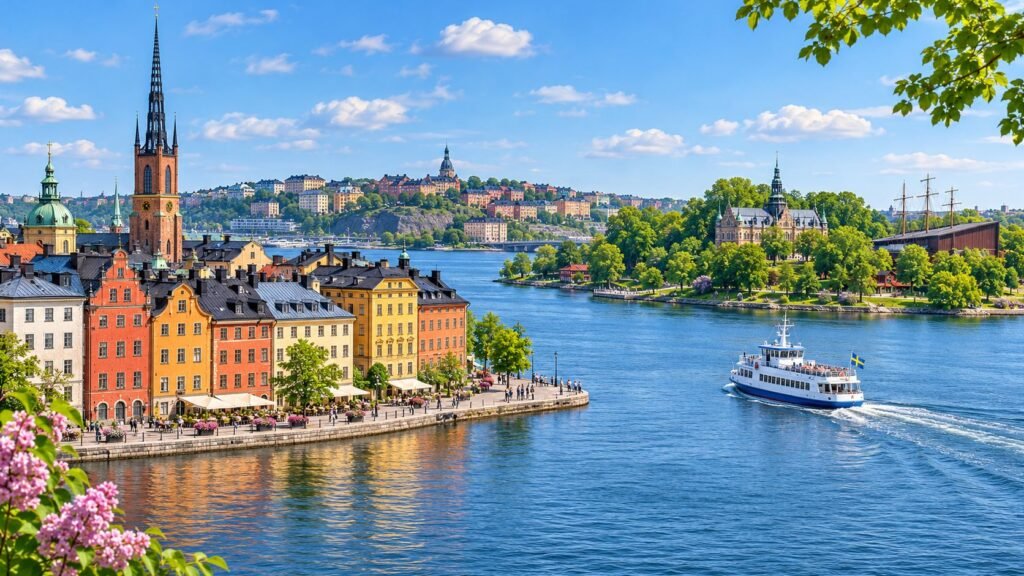
You land at Arlanda with a long weekend ahead and a phone screen crowded with pinned cafés, palaces, islands and museums. Stockholm looks compact on a map, yet water cuts between every district, and crossing back and forth across bridges eats up hours fast. According to Visit Stockholm's visitor research, the average stay across Stockholm County is 2.7 nights, and visitors score the city especially high for beauty (92%), being a pleasant place to visit (80%), and its mix of old and new (77%). With that kind of short window, the smartest way to plan things to do in Stockholm isn't to chase a ranked top ten from end to end.
It's to group sights by island, opening pattern and walking effort. The nine places below fall into four natural clusters: the medieval core of Gamla Stan and the Royal Palace, the museum island of Djurgården, the lived-in districts of Kungsholmen, Södermalm and Östermalm, and the outer waters of the archipelago and Lake Mälaren. Because public ferries, timed palace ceremonies and seasonal opening hours shift throughout the year, keeping mobile data ready for live timetables saves endless backtracking (see Mazurly's eSIM breakdown before departure if you're travelling from outside the EU). Pick one cluster per morning or afternoon, and the city opens up without feeling rushed.
1. Gamla Stan and Stockholm's Medieval Old Town
Most visitors head straight to Gamla Stan, the medieval core on the small island of Stadsholmen, and for good reason. Crooked alleys, ochre and rust-red merchant houses and steep cobbled lanes preserve the street plan where Stockholm first took shape. Yet it isn't just an open-air postcard; people still live above the bakeries, run bookshops in vaulted cellars and meet friends along the quays.
Walking Gamla Stan without a rigid checklist works best, because its charm sits in the shifts between main thoroughfares and quiet side passages.
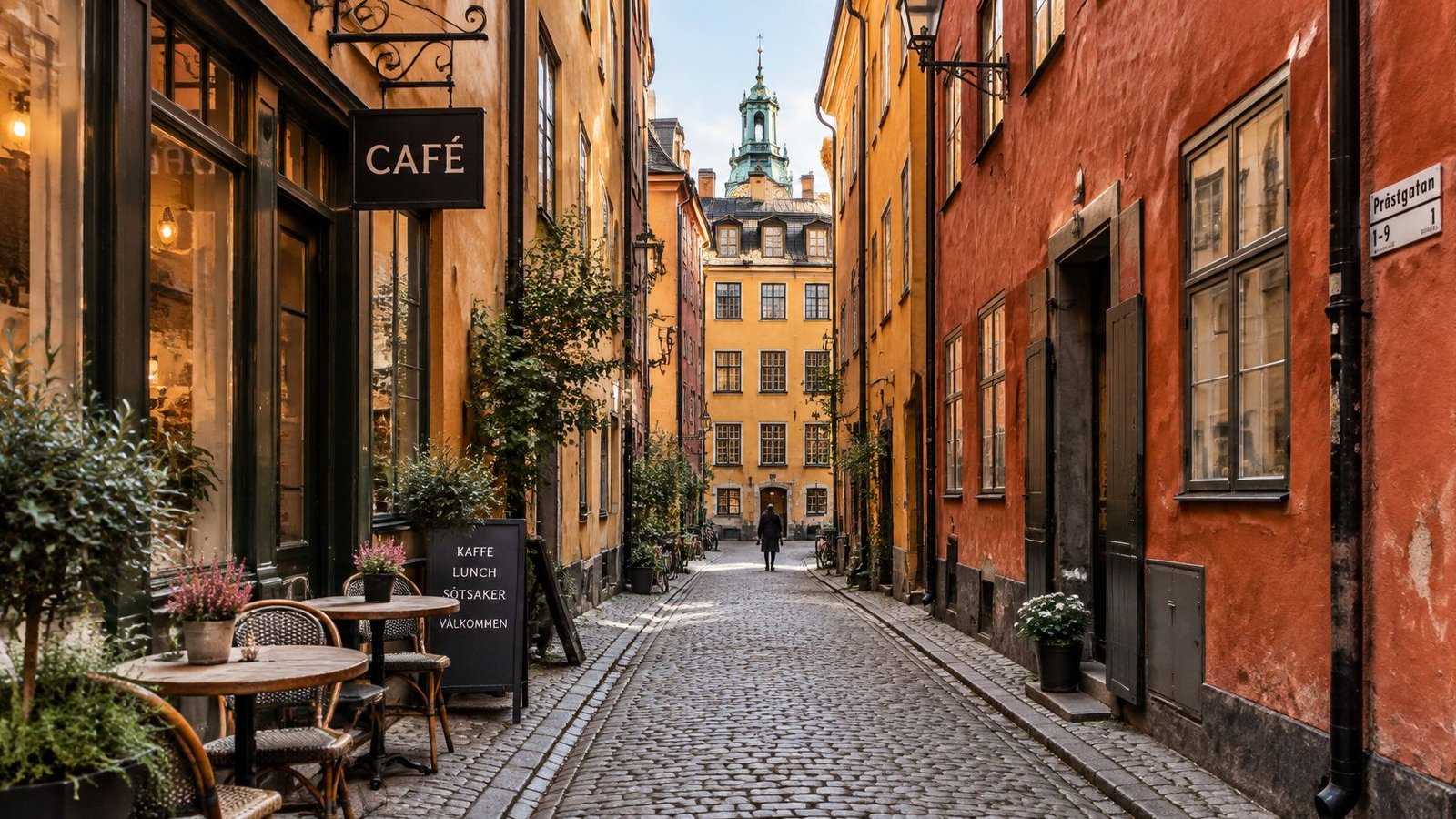
Start at Stortorget, the historic main square framed by narrow gabled façades and anchored by the Nobel Museum, which traces the prize and its laureates inside the former Stock Exchange building. From there, duck south into Mårten Trotzigs gränd, an impossibly slender stepped alley squeezed between high stone walls, before looping back out to the water at Skeppsbron or Riddarholmen as evening light hits the spires.
Timing Stadsholmen Without Fighting the Crowds
In peak summer, midday foot traffic along Västerlånggatan slows to a shuffle as tour groups spill off harbour coaches. An arrival-day evening walk or a crisp early-morning wander gives you the exact same architecture with room to stop, photograph the doorways and hear footsteps on the stone.
- Walk Early or at Dusk: Aim for the quiet shoulders of the day in summer, then linger on the waterfront as lamps flicker on across the harbour.
- Prioritise Sturdy Footwear: Gamla Stan's historic cobbles are uneven and turn slick in rain, so leave flat dress shoes at your hotel.
- Build in a Fika Stop: Allow half a day including coffee and a pastry in a courtyard café such as Under Kastanjen, where traditional Swedish husmanskost dishes like meatballs and lingonberries also make an easy lunch.
- Pair With the Palace: Because Stadsholmen sits right between Central Station and the royal waterfront, combining these lanes with the Royal Palace makes an effortless first morning, much like the opening rhythm of a four-day Stockholm culture and waterfront city break.
2. The Royal Palace and the Changing of the Guard
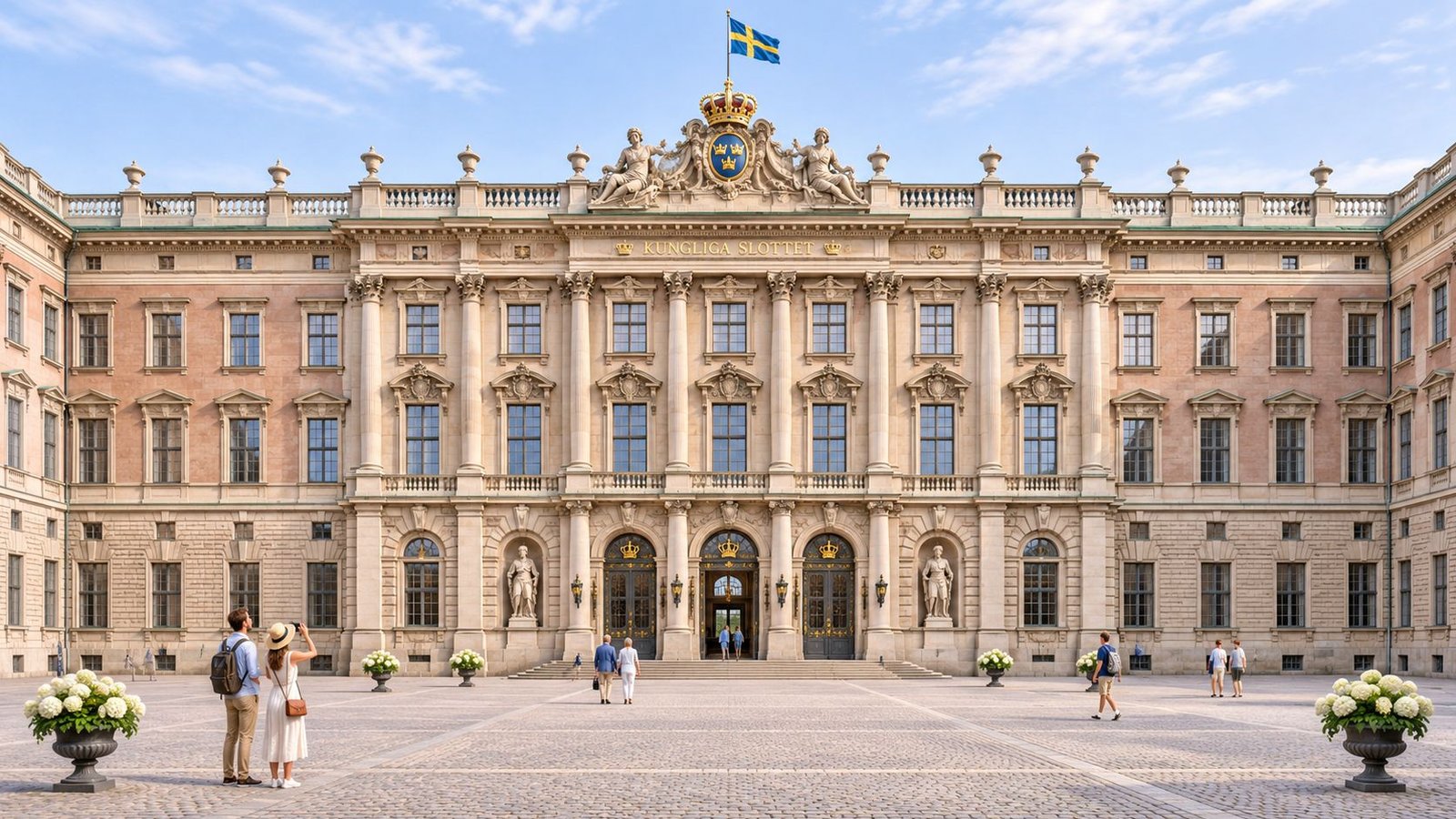
Plenty of travellers photograph the monumental exterior of the Royal Palace (Kungliga slottet) from the bridge and keep walking, assuming it's mostly ceremonial frontage. In practice, stepping inside is one of the strongest wet-weather and history-focused stops in central Stockholm. While the Swedish royal family primarily lives out at Drottningholm, this baroque palace, largely designed by Nicodemus Tessin the Younger, remains the monarch's official residence and houses working state rooms alongside several distinct museums.
The courtyard fills well before the ceremonial Changing of the Guard begins during the warmer months, drawing crowds along the stone balustrade.
Inside, focus your energy rather than trying to read every placard in a single marathon push. The Hall of State showcases the silver throne and royal regalia, while the Treasury displays the Swedish crown jewels in dimly lit vaulted chambers below ground. Together, they give a clear view of how Sweden presents its monarchy today without requiring an entire day indoors.
Timing the Courtyard and State Rooms
Guard-change schedules shift substantially by season, with fuller musical parades in summer and simpler routines in cooler months. A practical sequence is to stroll Gamla Stan's quiet alleys first thing, arrive early at the outer courtyard to claim a clear sightline for the ceremony, and head inside the State Apartments and Treasury right afterwards once the courtyard crowds disperse. Budget a relaxed couple of hours indoors so you don't rush the vaults.
Scheduling check: Official state receptions and royal functions can close individual apartments at short notice, so verify current opening hours, ticket prices and ceremony times on the official Royal Palace website before you set out.
3. Vasa Museum and Its Seventeenth-Century Warship
Even visitors who normally skip maritime exhibitions tend to leave the Vasa Museum on Djurgården stunned by its scale. According to Visit Stockholm's Vasa Museum guide, the centrepiece is the 69-metre warship Vasa, commissioned by King Gustav II Adolf, which sank in Stockholm harbour on its maiden voyage in 1628 and was salvaged 333 years later, in 1961. More than 98% of the vessel is original, and hundreds of carved sculptures still cling to the towering wooden hull.
Stepping into the darkened main hall feels less like entering a conventional gallery and more like standing beneath a timber cathedral.

Multi-level walkways wrap around the ship so you can inspect the stern carvings up close, examine recovered personal belongings from the crew and follow the decades-long conservation effort that keeps the oak stable. Exhibitions around the hull unpack seventeenth-century Swedish engineering, life on board and why such an ambitious vessel capsized almost immediately after setting sail.
Getting Ahead of the Djurgården Queues
Because the Vasa is one of Sweden's most visited museums, ticket queues and crowded viewing decks are the main trade-off on peak days. A sharp morning strategy is to catch the public ferry from Gamla Stan or Slussen directly to Djurgården right at opening time, tour the ship before school groups and coach parties peak, and step back outside into the park before lunchtime.
- Target Off-Peak Hours: Visit right after opening or later in the afternoon to enjoy clearer sightlines along the upper galleries.
- Give the Ship Real Time: Set aside a couple of hours so you can circle every deck level and still read the human stories behind the recovered artefacts.
- Check Official Details First: Confirm current opening times, timed-entry arrangements and admission prices directly on the official Vasa Museum site before travelling.
- Chain Your Djurgården Stops: Skansen sits just a short walk away along the island's tree-lined paths, making these two stops an obvious half-day or full-day pairing.
4. Skansen Open-Air Museum and Living History
Imagine travelling with mixed ages, or hitting museum fatigue after two days of royal interiors and gilded halls. Skansen, spread across the wooded hillside of Djurgården, solves that problem neatly by turning Swedish regional history into an open-air walk with sweeping views across the water. Founded by Artur Hazelius as the world's first open-air museum, it gathers historic farmsteads, cottages, workshops and manor houses relocated from across Sweden into a single wooded park.
Costumed craftspeople demonstrate traditional weaving, woodwork and glassblowing inside working workshops, while seasonal folk music and celebrations bring the town quarter to life. Further up the hill, the animal park focuses on native Nordic wildlife rather than exotic zoo collections, giving visitors a grounded look at Sweden's rural countryside and fauna without leaving central Stockholm.
Fitting Skansen Into a Wider Nordic Route
Geography is Djurgården's greatest planning advantage. As Visit Stockholm's one-day Stockholm guide notes, the island groups Skansen Open-Air Museum, the Vasa Museum, ABBA The Museum, Nordiska Museet and Gröna Lund amusement park in the same walkable area. You can pair seventeenth-century maritime drama at the Vasa with living history at Skansen, or add Swedish cultural design at Nordiska Museet, without spending half your afternoon on cross-city transport.
That concentration also makes Djurgården a natural anchor day on longer regional trips, such as a multi-capital Scandinavian city break by ferry and rail linking Copenhagen, Oslo and Stockholm. Just check seasonal hours carefully before you go, because winter schedules are far shorter than long summer days, and outdoor workshops scale back in colder months.
Treat Djurgården as a dedicated island day rather than a quick detour, and wear sturdy shoes for Skansen's steep, winding hillside paths.
5. Stockholm City Hall and the Golden Hall Mosaics
Standing right on the eastern tip of Kungsholmen, Stockholm City Hall (Stadshuset) is the silhouette that anchors almost every view across Riddarfjärden. Architect Ragnar Östberg blended National Romantic red brick with Nordic Classical arches, topping the corner tower with the gilded Three Crowns, the city's unmistakable emblem. Unlike palaces frozen in the past, this is still Stockholm's working municipal seat.
Inside, two rooms steal the focus. The vast Blue Hall (built in warm, unplastered brick) hosts the annual Nobel Banquet, while the Golden Hall above glows with intricate mosaic panels depicting scenes from Stockholm's and Sweden's history. Because interior access runs through guided tours rather than free wandering, you get the political symbolism and architectural jokes you'd otherwise miss on your own.
Access Limits and Tower Timing
Stockholm enjoys a strong reputation for modern infrastructure, yet accessibility still varies sharply from one headline building to the next. According to Visit Stockholm's official accessibility guide, while the Vasa Museum is accessible across all levels and Djurgården maintains smooth outdoor paths, Stockholm City Hall's guided route includes stairs and its tower is only partly accessible. Checking those details ahead of time prevents frustration for travellers using mobility aids, managing fatigue or travelling with buggies.
A well-paced afternoon combines a late-day guided tour with golden hour along the waterfront. After stepping out of the courtyard, follow the flat lakeside path west along Kungsholmen toward Rålambshovsparken for breezy views back toward Södermalm.
- Book Guided Access Carefully: Verify tour languages, departure times and ticket release windows on the official City Hall website before heading over.
- Check Seasonal Tower Rules: Tower entry operates seasonally with limited capacity, so don't assume you can walk straight up on the day.
- Time the Courtyard for Sunset: Even if you skip the climb, the arcaded garden facing Riddarfjärden catches remarkable evening light on the brick and water.
6. Södermalm, SoFo, Hornstull and the Southern Neighbourhoods
Once you've ticked off the royal squares and marquee museums, cross Slussen south onto Södermalm (known locally as Söder) to see how Stockholm lives. Built over steep granite ridges lined with timber cottages, independent studios and lively corner cafés, Södermalm trades regal polish for a creative, slightly bohemian pace. There's no single ticketed monument dictating your clock here, which makes it the ideal home for an unhurried afternoon.
Two pockets anchor most walks. SoFo, clustered around Södermannagatan, packs vintage clothing shops, Swedish design boutiques, vinyl stores and neighbourhood bars into easy strolling blocks. Further west, Hornstull leans into independent galleries, live music venues and waterfront hangouts. If rain moves in, Fotografiska, the contemporary photography museum along Södermalm's northern quay, offers rotating international exhibitions and wide harbour views from its upper café.
Mapping a Slow Södermalm Loop
Skip the metro on the way in if your legs feel fresh, because walking over Slussen from Gamla Stan rewards you with immediate skyline views back toward the spires. From there, drop into Johan & Nyström or Drop Coffee for serious speciality coffee, browse the side streets off Södermannagatan, and meander west toward Hornstull as the afternoon softens.
Finish by climbing up to Monteliusvägen, a narrow cliffside footpath clinging to Södermalm's northern edge. Early evening turns the panorama across Riddarfjärden toward Gamla Stan and City Hall gold, and the lookout doesn't cost a krona.
Footwear note: Södermalm's best streets and viewpoints sit on steep stone hills, so pack cushioned walking shoes rather than flat city loafers before crossing Slussen.
7. Östermalm Food Hall and the Art of Fika
Sightseeing checklists often treat food as a quick refuelling stop between museums, yet in Stockholm, eating and pausing are central parts of the city's cultural rhythm. Östermalm Saluhall, a grand brick-and-ironwork historic market hall, showcases Sweden's high bar for everyday ingredients. Polished counters display gleaming Baltic seafood, aged Nordic cheeses, game meats, dark rye loaves, handmade chocolates and ready-to-eat lunch plates.
That culinary focus mirrors wider Swedish travel habits too; VisitBritain's Sweden market insights highlight local food and drink, fine dining and urban city life among Swedish travellers' leading holiday priorities. Spend half an hour wandering the aisles here and you'll see why Stockholmers treat seasonal produce and careful preparation as everyday essentials rather than special-occasion luxuries.
Lunch Counters and Waterfront Walks
Just as essential is fika, the daily Swedish ritual of stopping properly for coffee and something freshly baked. It isn't a paper cup sipped while jogging to a train. Find a seat at a traditional café or a respected neighbourhood bakery such as Fabrique, order filter coffee alongside a kanelbulle (cinnamon bun) or a spiced cardamom bun, and take twenty unhurried minutes to watch the street pass.
A smooth midday plan pairs late-morning fika in an Östermalm side street with an early counter lunch inside Östermalm Saluhall, followed by a level digestive stroll down Strandvägen, the elegant waterfront boulevard leading straight toward Djurgården's bridge.
- Arrive Around Lunchtime: Midday brings the widest selection of hot and cold prepared dishes at the market hall's sit-down counters.
- Check Daily Hours: Opening schedules at Östermalm Saluhall vary by day of the week, and Sunday closures can catch unprepared visitors off guard.
- Balance Your Pace: Pairing a leisurely food-hall lunch with Strandvägen's flat promenade makes a smart low-step afternoon between heavier sightseeing days.
8. Archipelago Boat Trips to Fjäderholmarna and Vaxholm
Stockholm doesn't stop at its inner bridges. According to Visit Stockholm's official guide, the city borders forests, green spaces and an archipelago of about 30,000 islands, islets and rocky skerries stretching east into the Baltic Sea. Getting out on the water even briefly changes how you read the capital, showing how urban boulevards dissolve into pine trees, red boathouses and open sea channels.
Stepping aboard an archipelago ferry from the central quays quickly trades city traffic for cold sea air and rocky shorelines.
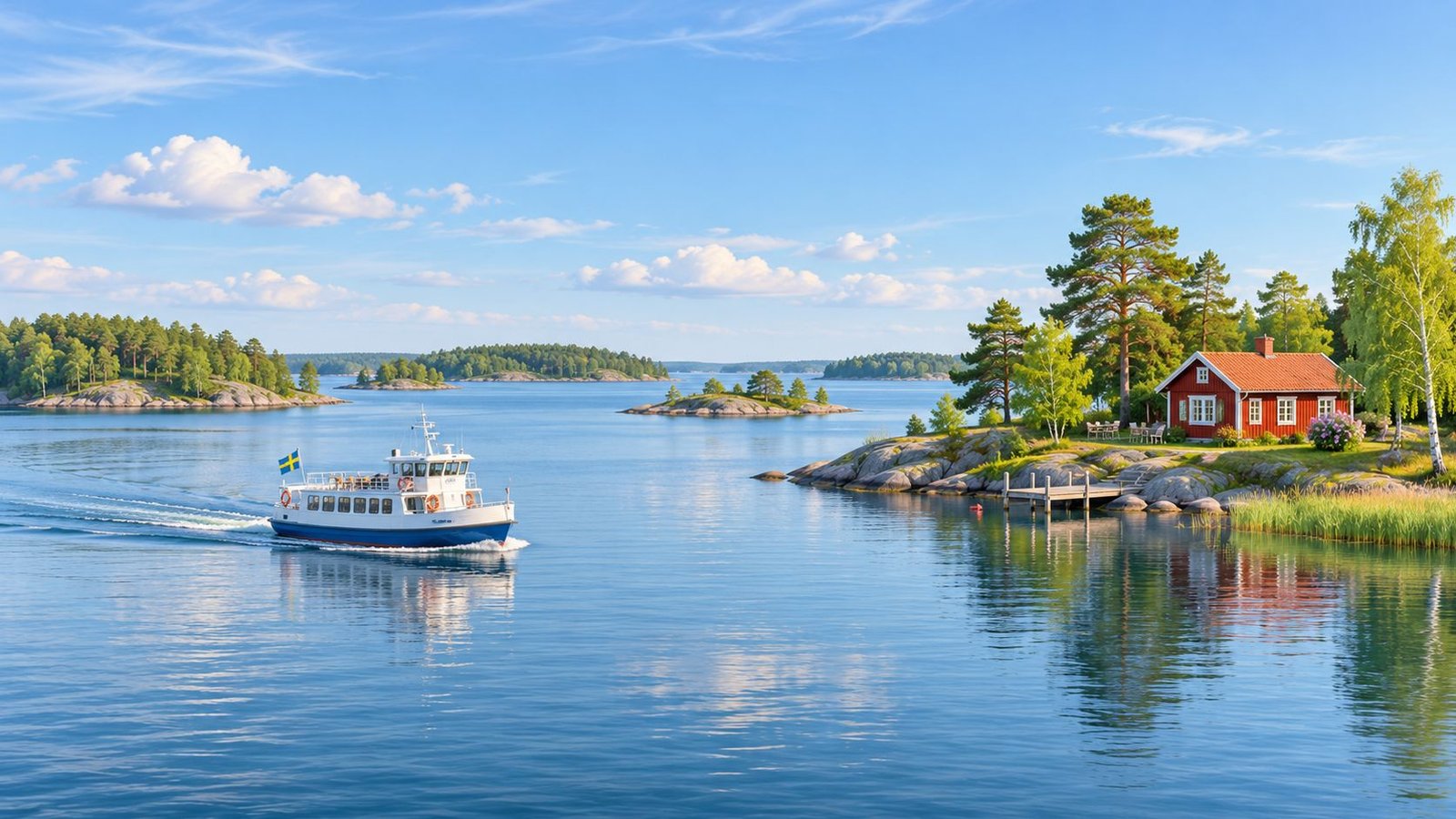
For a short break, two destinations offer cleanly different commitments. Fjäderholmarna, the closest cluster of archipelago islands to central Stockholm, requires only a brief ferry hop and packs waterfront restaurants, glassblowers, craft workshops and small galleries into an easy loop. Vaxholm, further out, is the archipelago's main island town, complete with an imposing historic fortress, painted wooden houses and harbour cafés; it demands a longer boat journey and deserves at least half a day including your return sailing.
Matching the Crossing to Season and Weather
Don't treat an archipelago excursion as a rigid fixed-date promise outside peak summer. Sailings run most frequently in the warm months, while spring, autumn and winter bring leaner timetables and sharper wind chill on exposed outer decks. Pack windproof layers even on sunny mornings, because open Baltic air feels noticeably cooler than sheltered central streets.
Check live ferry timetables and fares directly with the operator the evening before you sail, then pick Fjäderholmarna for a tight window or Vaxholm for a relaxed half-day. Travellers who love crossing Baltic waters can even extend that maritime perspective beyond day trips on a multi-city Nordic and Baltic ferry itinerary departing from Stockholm.
9. Drottningholm Palace and the Royal Estate on Lake Mälaren
When central Stockholm's lively squares start to feel compact, head west to Lovön, an island in Lake Mälaren home to Drottningholm Palace. Unlike the working official palace in Gamla Stan, this UNESCO World Heritage Site serves as the private residence of the Swedish royal family, while keeping its baroque state rooms, manicured formal gardens and sweeping lakeside park open to the public.
The estate's standout surprise isn't just the main palace, though its gilded salons and grand staircase reward a slow walk. Set inside the grounds stands the Drottningholm Palace Theatre, one of the best-preserved historic theatres of its kind, still operating with its original wooden stage machinery intact. Follow the shaded paths further into the park and you'll reach the ornate Chinese Pavilion, tucked peacefully among mature trees.
Planning Transport and Food on Lovön
Drottningholm works best as a dedicated half-day or full-day escape rather than something squeezed between two city museums. A relaxed warm-weather route starts with a seasonal steamboat departure from near City Hall across Lake Mälaren, touring the palace interiors and theatre in the morning, strolling the formal gardens to the Chinese Pavilion after lunch, and riding public bus and metro links back into central Stockholm late in the afternoon.
- Plan Ahead for Meals: On-site dining options are much more limited than in central Stockholm, so bring a picnic for the park or reserve a table in advance.
- Check Theatre Schedules Early: Verify opening hours, ticket prices and seasonal performance or guided-tour slots on the official Drottningholm website before setting out.
- Adjust Transport by Season: Lake boats offer the most atmospheric approach in warmer months, whereas public transit via metro and local bus keeps the estate reachable year-round.
How the nine Stockholm places compare for time, access and planning
| Place | Best for | Time needed | Getting there | Planning note |
|---|---|---|---|---|
| Gamla Stan: Medieval Old Town | Historic lanes, cafés and waterfront views | Half a day | Central; near the Royal Palace and metro | Visit before 10am or after 6pm in summer; wear comfortable shoes |
| Royal Palace and Changing of the Guard | Royal history, palace interiors and ceremonies | Around 2 hours | Between Gamla Stan and the waterfront | Check opening hours and guard-change schedule; some areas may close for events |
| Vasa Museum | Maritime history and a remarkably preserved warship | Around 2 hours | On Djurgården; reachable by bus, tram or a walk from the city centre | Visit early or later in the day; check current hours and prices |
| Skansen: Open-Air Museum | Families, Swedish history, crafts and Nordic wildlife | At least half a day; a full day with families | On Djurgården | Check seasonal hours and events; wear sturdy shoes for the hilly grounds |
| Stockholm City Hall and Golden Hall | Architecture, mosaics and city views | A brief visit, longer with a guided tour | On the waterfront at Kungsholmen | Check tour times and tower access; book a tour to understand the building |
| Södermalm: SoFo, Hornstull and Southern Neighbourhoods | Independent shops, cafés, galleries and viewpoints | A relaxed afternoon | Accessible by metro; walkable from Gamla Stan via Slussen | Wear comfortable shoes for steep streets; visit Monteliusvägen in the early evening |
| Östermalm Food Hall and Fika | Swedish food, market counters and café culture | A flexible meal or café stop | Near Strandvägen and within walking distance of the centre | Check market hours; lunchtime offers a good range of prepared dishes |
| Archipelago Boat Trips: Fjäderholmarna and Vaxholm | Scenic island outings, waterside walks and boat views | A relaxed half-day; allow at least half a day for Vaxholm | Ferry from central Stockholm; about 20 minutes to Fjäderholmarna and an hour to Vaxholm | Check seasonal ferry timetables and fares; bring layers |
| Drottningholm Palace and Royal Estate | Palace architecture, gardens and historic theatre | At least half a day; can fill a full day | Public transport or, in summer, boat | Check opening times and services; bring a picnic or plan meals ahead |
Choose Your Neighbourhoods First, Then Your Time Slots
The cleanest way to stitch these nine things to do in Stockholm into a stress-free short break is to plan in three simple layers: island clusters first, timed bookings second, and flexible afternoons last.
Start by grouping nearby stops so you aren't zigzagging across water all day. Pair Gamla Stan with the Royal Palace on one walkable morning; dedicate a full day or long half-day on Djurgården to the Vasa Museum and Skansen; combine Östermalm Saluhall with Strandvägen or cross south into Södermalm for an unhurried afternoon; and reserve Stockholm City Hall, Drottningholm Palace or an archipelago ferry for clearly defined half-day windows.
Next, lock in the sights controlled by clocks and calendars. Timed or seasonal entries, specifically the Vasa Museum, the Royal Palace guard change, Stockholm City Hall guided tours and Drottningholm theatre tours, shape everything else around them. Just as practical advice for dive travel stresses building weather buffers around boat departures and sea conditions, keeping your Fjäderholmarna or Vaxholm outing flexible lets you pick the brightest, calmest day of your stay.
When rain rolls in or winter daylight fades early, let Stockholm's transit do double duty. Rather than viewing underground transfers as dead time between districts, Visit Stockholm's sustainable travel guide highlights the metro as the "World's Longest Art Exhibition", extending for 110 kilometres of murals, sculptures and sculpted bedrock across stations and passages. Hopping between central Kungsholmen, Östermalm and Hornstull turns an ordinary commute into a dry, heated sightseeing break.
For travellers who prefer structured arrangements without losing free afternoons for fika and neighbourhood walks, BTOURS, an independent London-based tour operator established in 2018, offers city breaks and curated multi-day Nordic journeys across Sweden, Denmark, Norway, Finland and Iceland. Core logistics are arranged in advance while leaving breathing room to explore each island at your own pace.
Before booking flights or rail tickets, check live opening times, seasonal ferry schedules and guided-tour availability on the official websites for the Royal Palace, Vasa Museum, Stockholm City Hall and Drottningholm Palace. Once your key dates are clear, browse BTOURS's city breaks and Nordic tours to compare published itineraries and check live dates and availability for your party.
Links disclosure: This article may contain external links, including affiliate links. If you book or buy through an affiliate link, BTOURS may earn a commission.
The article is complete as written through the final "Links disclosure" paragraph, so there is no further section to add in sequence.